Have you ever wondered if your surveillance binoculars can keep up when the weather turns harsh? Whether you’re tracking wildlife in a storm or securing a property in freezing cold, knowing how your binoculars perform in extreme weather is crucial.
You need gear that won’t fail when you rely on it most. You’ll discover the truth about using surveillance binoculars in tough conditions and what features you should look for to make sure your vision stays clear—no matter the weather.
Keep reading to find out how to protect your investment and get the most from your binoculars when the elements get rough.
Credit: www.digitalcameraworld.com
Extreme Weather And Optics
Rain and snowcan blur the lenses of surveillance binoculars. Water droplets block the view and reduce clarity. Snow can stick to the glass, making it hard to see through. Many binoculars have water-resistant coatingsto help, but heavy rain or snow still causes problems. Keeping binoculars dry and wiping them often helps a lot.
Foggy conditions cause even more trouble. Fog is made of tiny water droplets in the air, which scatter light. This scattering makes images look blurry and dim. Binoculars cannot clear fog, so visibility drops a lot. Using binoculars in fog means the view is less sharp and details are lost.
Design Features For Weather Resistance
Surveillance binoculars often have waterproofand fogprooffeatures. These help them work well in rain, snow, or humid places. Waterproof seals stop water from entering inside. Fogproof designs use special gas to stop lenses from fogging.
Durability is key for harsh environments. Many binoculars use rubber armorto protect against shocks and drops. This makes them tough on rocky or rough surfaces. Strong materials also resist rust and corrosion from salt or mud.
| Feature | Benefit |
|---|---|
| Waterproof Seals | Keep water out in rain and snow |
| Fogproof Gas Filling | Prevent lens fogging in cold or humid air |
| Rubber Armor Coating | Protect binoculars from shocks and rough use |
| Rust-Resistant Materials | Stop corrosion from salt, mud, or moisture |
Lens Coatings And Clarity
Lens coatings reduce glare and improve light transmission for clearer views. High-quality coatings help maintain image clarity in rain, fog, or snow. Durable coatings protect lenses from scratches and harsh weather conditions.
Anti-reflective Coatings
Anti-reflective coatingshelp reduce glare from the sun or bright lights. These coatings let more light pass through the lenses. This means you see clearer and brighter images. They also protect the lenses from scratches and dirt. This feature is very useful in extreme weather. Rain, snow, or dust won’t easily block your view.
Low Light Performance
Good binoculars work well in low light, such as dawn or dusk. Special coatings and large lenses help gather more light. This makes objects easier to see in the dark. Clear images are possible even in fog or heavy clouds. This makes surveillance binoculars reliable in bad weatherconditions.
Body Construction And Grip
Surveillance binoculars designed for extreme weatheruse often have durable bodies. Materials like rubber, aluminum, and polycarbonatehelp resist impacts and harsh conditions. These materials also protect against water, dust, and cold. Some binoculars feature weatherproof sealsto keep moisture out.
Ergonomic designs make holding binoculars easier in tough weather. Textured gripsprevent slipping, even with wet or gloved hands. Shapes fit comfortably, reducing hand fatigue during long use. Lightweight designs help users carry them for hours without strain.
Advanced Features For Weather Adaptation
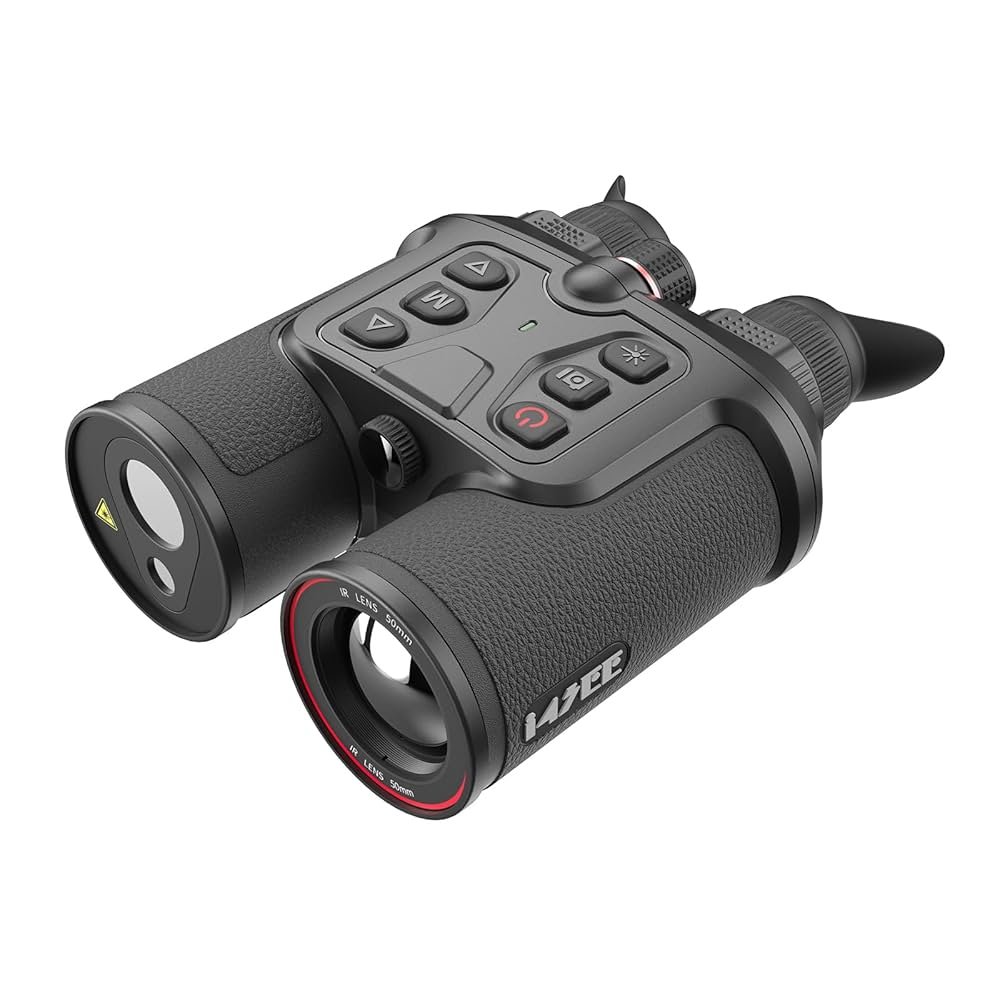
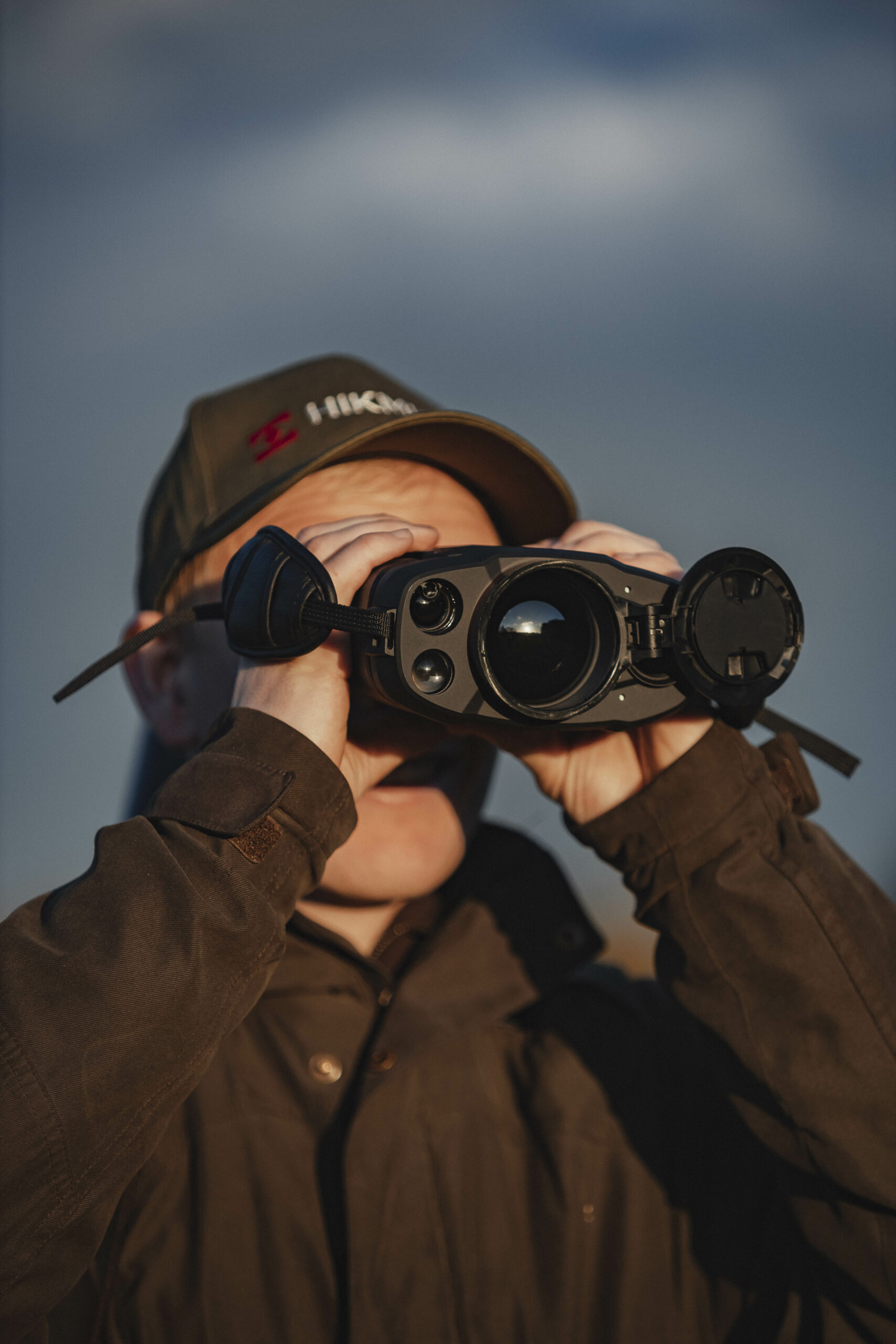
Surveillance binoculars with thermal imagingcan detect heat from objects, even in total darkness or fog. This feature helps users see clearly in rain, snow, or smoke. It works by capturing heat signals, showing warm shapes against cold backgrounds.
Image stabilizationis vital during strong winds. It keeps the view steady, so the image does not shake or blur. This makes it easier to spot things far away and track moving targets in harsh weather conditions.
Credit: www.optics-trade.eu
Real-world Applications
Surveillance binoculars often perform well in rain, fog, and snow due to waterproof and fog-proof designs. They help users monitor wildlife, security, or outdoor events despite harsh weather conditions. Durable materials ensure clear views even in extreme environments.
Military And Security Use
Surveillance binocularsmust work well in tough weather. Soldiers often use them in rain, snow, and fog. These binoculars have waterproofand fog-prooffeatures. They help see far even in low light. Strong build protects lenses from damage. This makes them reliable for long missions. Clear vision helps spot threats early. It keeps people safe and ready.
Wildlife Observation
Wildlife watchers use binoculars in different weather too. Rain or shine, they watch animals from a distance. Binoculars with good weather protectionkeep lenses clear. This helps see animals without disturbing them. They can spot birds, deer, or other creatures clearly. Good binoculars make nature watching more fun and safe.
Maintenance Tips For Weather Exposure
Always clean lenses with a soft, dry cloth to avoid scratches. Use a small brush to remove dust from corners. Store binoculars in a dry, cool place inside their case to protect from moisture and dust.
Check seals regularly to ensure they are not cracked or loose. Inspect lenses for chips or cracks that can affect viewing. Tighten loose screws carefully to maintain structure.
- Clean lenses gently after every use.
- Keep binoculars away from direct sunlight when stored.
- Store in a padded, waterproof case.
- Check rubber seals and replace if damaged.
- Look for any signs of rust or wear.
- Repair small damages early to prevent bigger issues.

Credit: www.amazon.com
Frequently Asked Questions
Can Surveillance Binoculars Withstand Heavy Rain?
Yes, many surveillance binoculars are designed with waterproof features. They use sealed components to prevent water damage during heavy rain, ensuring clear vision and durability in wet conditions.
Are Surveillance Binoculars Fog-resistant In Cold Weather?
Most high-quality surveillance binoculars have fog-resistant coatings. These coatings prevent internal fogging caused by temperature changes, maintaining clear visibility in cold and humid environments.
What Materials Protect Binoculars In Extreme Weather?
Surveillance binoculars often use rubber armoring and durable metals. These materials offer shock resistance and protect against harsh weather elements like wind, dust, and moisture.
How Do Temperature Extremes Affect Binocular Performance?
Extreme heat or cold can impact lens coatings and battery life. Quality binoculars are built to operate within specific temperature ranges without losing optical clarity or functionality.
Conclusion
Surveillance binoculars can work well in tough weather. Choose models designed to resist rain, fog, and cold. Keep lenses clean for the best view. Protect your gear with covers and cases. Remember, durability and quality matter most outdoors. Proper care helps your binoculars last longer.
Stay prepared and enjoy clear sight anytime.