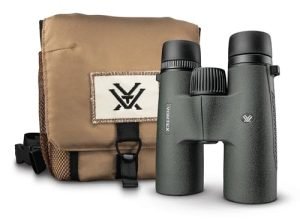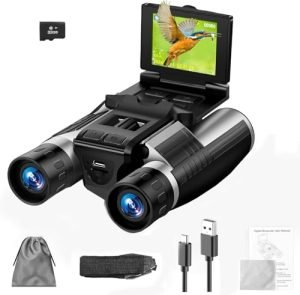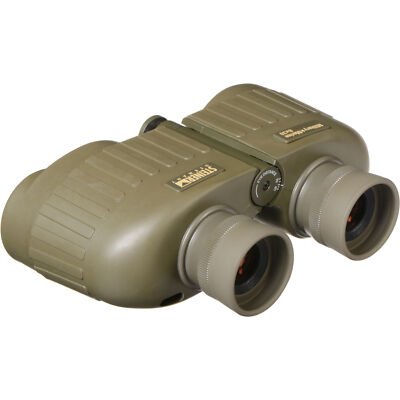
When you’re working on or near an oil rig, keeping a close eye on your surroundings is not just important—it’s essential. You need binoculars that deliver clear, sharp images no matter the distance or weather conditions.
But with so many options out there, how do you choose the right pair for effective oil rig surveillance? You’ll discover what features matter most and which binoculars can help you stay safe and aware, every time you scan the horizon.
Ready to find the perfect tool for your watch? Let’s dive in.
Key Features For Oil Rig Binoculars
Binoculars help workers watch far areas on oil rigs. They need special features to work well in tough conditions.
Choosing the right binoculars improves safety and efficiency on the rig. These features matter most.
Magnification And Lens Size
Good binoculars should have the right magnification to see distant objects clearly. Too much zoom can make images shaky.
Larger lenses let in more light. This helps see better in low light or foggy weather.
- Magnification between 7x and 10x is ideal
- Lens size around 35mm to 50mm works well
- Bigger lenses improve brightness and clarity
Durability And Build Quality
Oil rigs have rough conditions. Binoculars must be strong and resist damage from drops or shocks.
Materials like rubber coating protect the binoculars and give a better grip in wet conditions.
- Rubber armor protects against bumps
- Metal body parts add strength
- Non-slip surfaces improve handling
Waterproof And Fogproof Capabilities
Binoculars must resist water to work in rain or sea spray. Waterproof seals keep moisture out.
Fogproof binoculars use special gas inside to stop lens fogging in cold or humid air.
- Waterproof rating ensures protection in wet conditions
- Fogproof design keeps view clear in changing weather
- Sealed lenses prevent dust and dirt entry
Field Of View Considerations
A wide field of view helps see more area without moving the binoculars. This is useful for scanning large spaces.
Binoculars with a narrow view may miss important details outside the viewing area.
- Field of view around 350 to 400 feet at 1000 yards is good
- Wide view helps track moving objects
- Larger field reduces eye strain during long use

Credit: www.amazon.ca
Types Of Binoculars Suitable For Surveillance
Binoculars help people watch far places clearly. For oil rig surveillance, choosing the right type is important.
This guide explains three binocular types used for oil rig watching. Each type fits different needs and conditions.
Standard Binoculars
Standard binoculars work well in daylight. They give clear views of the rig and nearby areas. These binoculars come in many sizes and powers.
- Easy to use and carry
- Good for spotting large objects
- Affordable and widely available
- Best in good lighting conditions
Night Vision Binoculars
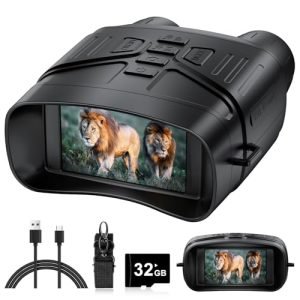
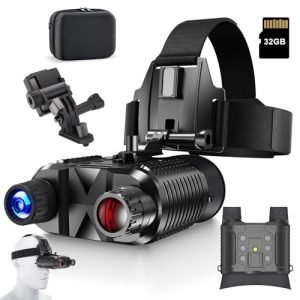
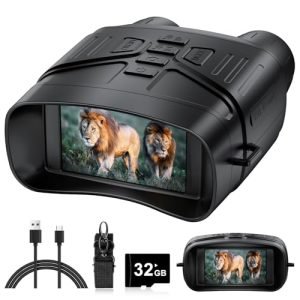
Night vision binoculars help see in the dark. They use special lenses and technology to brighten dark scenes. These are useful for night patrols on oil rigs.
| Feature | Benefit |
| Infrared illumination | See objects in total darkness |
| Lightweight design | Easy to handle during long use |
| Battery powered | Portable and ready anytime |
| Limited range | Best for close to medium distances |
Thermal Imaging Binoculars
Thermal binoculars detect heat from objects. They show heat patterns instead of visible light. This helps find people or animals on the rig even in fog or smoke.
- Works day and night
- Sees through smoke and fog
- Detects hidden or camouflaged objects
- Higher cost and requires training
Essential Specifications To Check
Choosing the right binoculars for oil rig surveillance is important. You need clear views and easy handling.
Check some key features to ensure the binoculars work well in tough conditions.
Optical Coatings
Optical coatings improve light transmission in binocular lenses. This helps you see clearer images, even in low light.
Look for fully multi-coated lenses for the best brightness and sharpness. These coatings also reduce glare and reflections.
- Coatings protect lenses from scratches and dirt
- Help in bright sunlight and foggy conditions
- Improve color accuracy and contrast
Prism Types
Binoculars use prisms to flip the image right-side up. There are two main types: roof prisms and Porro prisms.
Roof prisms are compact and sturdy. Porro prisms offer better depth and wider views but are bulkier.
- Roof prisms are lightweight and easy to carry
- Porro prisms provide better image quality for the price
- Choose based on your need for size or clarity
Weight And Portability
Oil rig surveillance often requires moving around. Lightweight binoculars reduce fatigue during long use.
Compact models fit easily in pockets or bags. Balance weight with lens size for good viewing power.
- Lightweight for easy carrying all day
- Compact size for storage and transport
- Durable materials to handle rough use
Eye Relief And Comfort
Eye relief is the distance your eyes can be from the eyepiece and still see the full view. This matters for comfort.
Long eye relief helps if you wear glasses. Soft eyecups and adjustable focus add to comfort during long surveillance.
- Choose at least 15mm eye relief for glasses
- Soft rubber eyecups reduce eye strain
- Easy focus adjustment for quick use

Credit: www.amazon.com
Top Brands And Models For Oil Rig Use
Choosing the right binoculars is key for effective oil rig surveillance. You need clear vision and durability in tough conditions.
Here are top binocular options, split by price and features to help you pick the best fit for oil rig use.
High-end Professional Options
These binoculars offer excellent optics and rugged build for demanding environments. They provide sharp images even in low light.
| Brand | Model | Magnification | Waterproof | Price Range |
| Zeiss | Victory SF 10×42 | 10x | Yes | High |
| Leica | Noctivid 10×42 | 10x | Yes | High |
| Swarovski | EL 10×42 | 10x | Yes | High |
Mid-range Reliable Choices
These binoculars balance quality and price. They are tough enough for oil rigs and offer good image clarity.
- Nikon Monarch 5 8×42 – Lightweight and waterproof
- Celestron TrailSeeker 10×42 – Great for sharp views
- Vortex Diamondback 10×42 – Durable with good optics
Budget-friendly Alternatives
These options fit tight budgets but still work well for basic surveillance tasks on oil rigs.
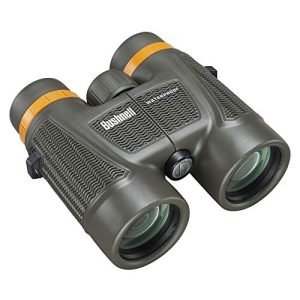
- Bushnell H2O 10×42 – Waterproof and fog proof
- Aurosports 10×42 – Affordable and decent clarity
- Eyeskey 10×50 – Larger lenses for low light
Maintenance Tips For Longevity
Binoculars used for oil rig surveillance need proper care to last long. Good maintenance keeps them clear and working well. This guide shares easy tips to extend your binoculars’ life.
Following simple steps helps protect your binoculars from damage. Clean, store, and inspect them regularly for the best results.
Cleaning And Storage
Keep lenses clean and store binoculars properly to avoid scratches and dust buildup. Use the right tools and places for cleaning and storage.
- Use a soft brush or air blower to remove dust from lenses.
- Wipe lenses gently with a microfiber cloth to avoid scratches.
- Use lens cleaning solution, never household cleaners.
- Store binoculars in a dry, cool place away from direct sunlight.
- Keep them in a padded case to protect from bumps.
Handling In Harsh Environments
Oil rigs expose binoculars to salt water, wind, and dirt. Handle them carefully to prevent damage in these tough conditions.
| Environment | Care Tip |
| Salt Water | Rinse with fresh water after use to remove salt. |
| Wind and Dust | Keep lens covers on when not in use. |
| Cold Weather | Store binoculars in insulated cases to prevent fogging. |
Regular Inspections And Repairs
Check your binoculars often to spot problems early. Fix small issues before they become big. This keeps your equipment ready for use.
- Inspect lenses for scratches or dirt before each use.
- Check the focus mechanism for smooth movement.
- Look for cracks or loose parts on the body.
- Replace worn or damaged lens caps and straps.
- Take binoculars to a professional for repairs if needed.
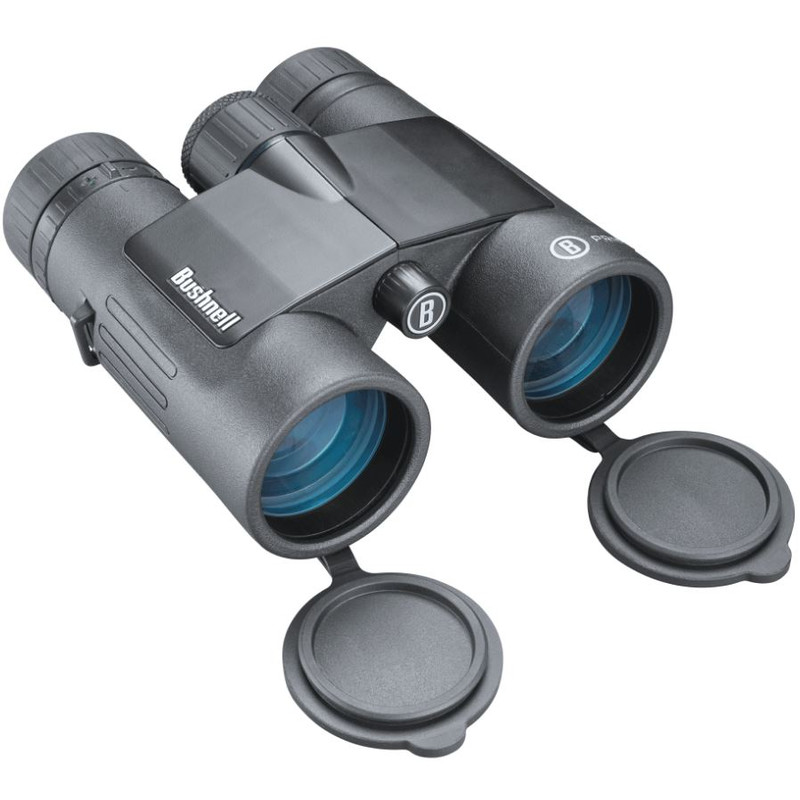
Credit: www.optics-pro.com
Additional Equipment To Enhance Surveillance
Using binoculars on an oil rig is just the start of effective surveillance. Additional tools help improve stability, accuracy, and protection.
This equipment makes it easier to monitor conditions and spot potential issues from far away.
Tripods And Stabilizers
Tripods keep binoculars steady during long observation periods. Stabilizers reduce hand shake and improve focus on distant targets.
- Adjustable height tripods for different viewing angles
- Lightweight stabilizers for easy movement
- Quick-release mounts for fast setup
Rangefinders And Gps Integration
Rangefinders measure the distance to objects seen through binoculars. GPS integration helps mark locations and track positions on the rig.
| Equipment | Function | Benefit |
| Rangefinder | Measures distance | Improves target accuracy |
| GPS Device | Tracks location | Maps observation points |
| Combined Unit | Distance and position | Saves time and effort |
Protective Cases And Covers
Protective cases keep binoculars safe from dust, water, and impacts. Covers shield lenses from scratches and sunlight glare.
- Waterproof and shockproof cases
- Lens covers with easy removal
- Compact designs for carrying on the rig
Frequently Asked Questions
What Binocular Features Suit Oil Rig Surveillance Best?
Binoculars for oil rig surveillance need high magnification, wide field of view, and waterproof durability. Image stabilization is also crucial to reduce hand shake effects. These features help in clear, steady observation over long distances in harsh offshore environments.
Which Magnification Level Is Ideal For Oil Rig Binoculars?
A magnification of 7x to 10x is ideal for oil rig surveillance. It balances clear detail and a stable image. Higher magnifications may cause shakiness and narrower views, making it harder to track moving objects or scan large areas.
Are Waterproof Binoculars Necessary For Offshore Surveillance?
Yes, waterproof binoculars are essential for offshore oil rig surveillance. They protect internal lenses from moisture, saltwater, and rain. This durability ensures consistent performance and longevity in the harsh marine environment, improving reliability and safety during operations.
How Important Is Image Stabilization In Oil Rig Binoculars?
Image stabilization is very important for oil rig binoculars. It reduces image shake caused by hand movements or rig vibrations. This feature enhances clarity and comfort during prolonged use, allowing precise monitoring even in rough conditions.
Conclusion
Choosing the right binoculars makes oil rig surveillance clearer and safer. Good binoculars offer strong zoom, sharp images, and durability. They help spot issues early and keep workers safe. Quality lenses and sturdy build matter most. Keep your needs and environment in mind when selecting.
Effective binoculars become a vital part of your safety tools. Trust your gear to help you see far and act fast.