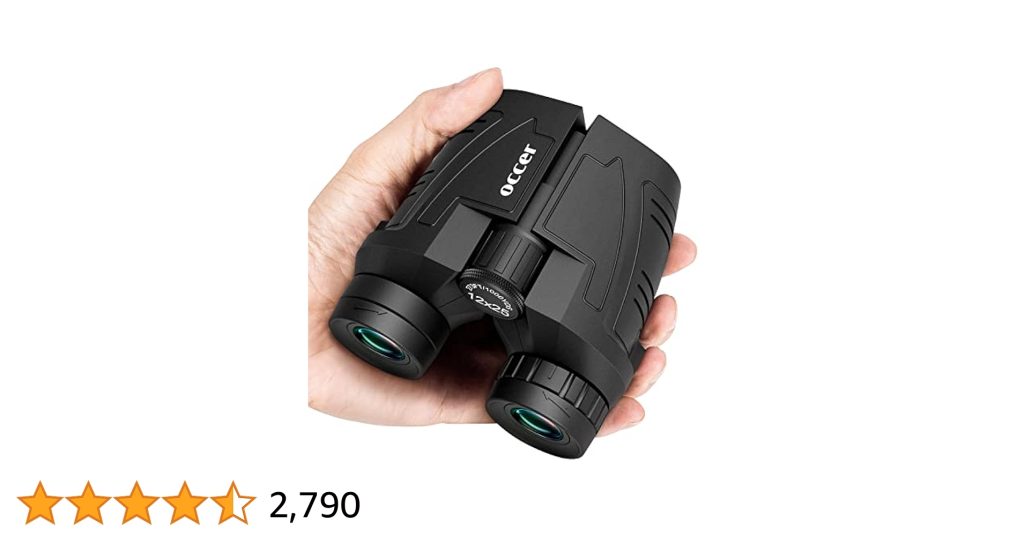
Are you searching for the perfect binoculars to spot details far away with crystal-clear clarity? Choosing the right pair can feel overwhelming with so many options out there.
But imagine having binoculars that bring distant scenes right up close, making your long-distance surveillance easier and more accurate. You’ll discover exactly what features to look for and which binoculars deliver the best performance. Keep reading to find the ideal match for your needs and never miss a detail again.
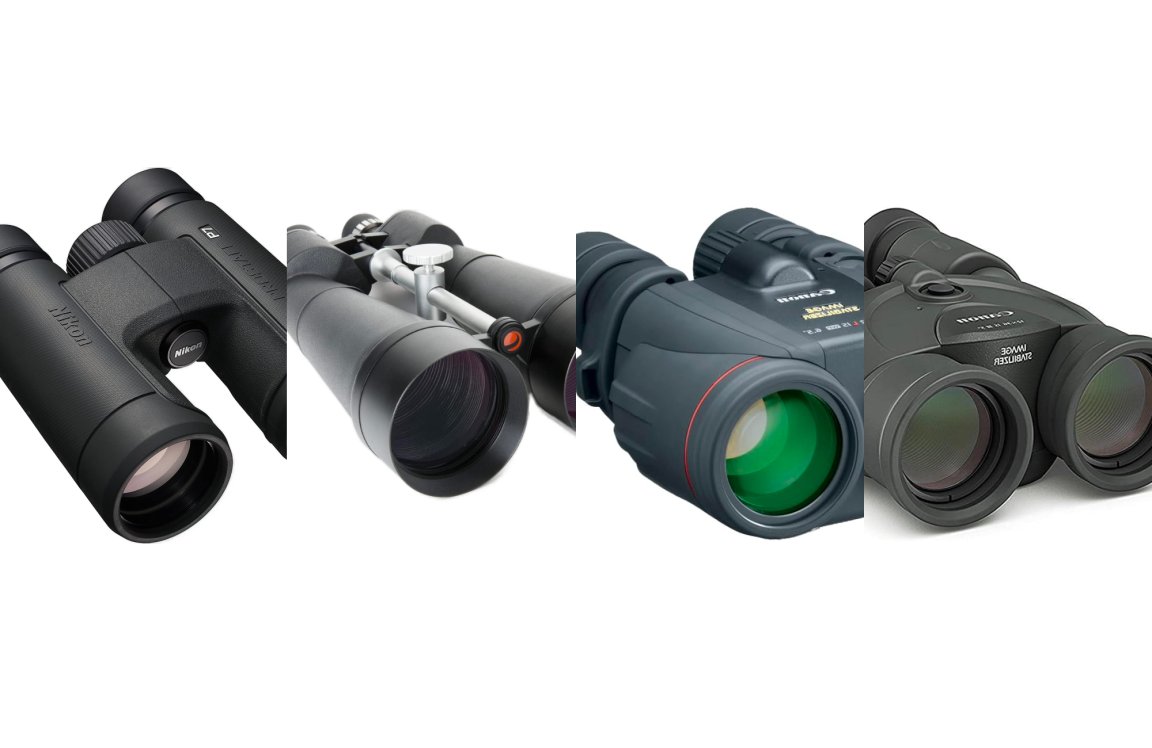
Credit: www.popsci.com
Key Features For Long Distance Binoculars
Choosing binoculars for long distance surveillance means looking at specific features. These features help you see far objects clearly and comfortably.
Understanding these key features makes it easier to find binoculars that fit your needs. Each part plays a role in the overall experience.
Magnification And Objective Lens Size
Magnification shows how much closer objects appear. A higher number means you see farther. Objective lens size controls how much light enters the binoculars.
For long distance, a magnification of 10x to 15x is common. Larger objective lenses, like 42mm or 50mm, give brighter images.
- Higher magnification helps see distant objects clearly
- Bigger lenses let in more light for brighter views
- Balance is key: too much magnification can cause shaky images
Field Of View And Eye Relief
Field of view means how wide the scene appears through the binoculars. A wider field helps track moving objects. Eye relief is the distance your eyes can be from the lenses and still see the whole image.
Long eye relief is important if you wear glasses. It makes viewing easier and more comfortable during long use.
- Wide field of view shows more area at once
- Long eye relief helps users with glasses
- Both improve comfort and effectiveness in surveillance
Lens Coatings And Light Transmission
Lens coatings reduce glare and improve image clarity. They increase the amount of light that passes through the lenses. Good coatings make images sharper and brighter.
Fully multi-coated lenses offer the best light transmission. This is very helpful for low light conditions like dawn or dusk.
- Coatings reduce reflections on lens surfaces
- More coatings mean clearer and brighter images
- Improved light transmission helps in dim light
Durability And Weather Resistance
Binoculars used for long distance often face rough conditions. Durable materials protect the binoculars from damage. Weather resistance keeps water and dust out.
Look for waterproof and fog-proof binoculars with rubber armor. This helps hold the binoculars firmly and protects them from shocks.
- Waterproof and fog-proof keep lenses clear in wet weather
- Rubber armor protects against drops and bumps
- Strong build lasts longer in harsh environments
Types Of Binoculars For Surveillance
Choosing the right binoculars is important for long distance surveillance. Different types offer various features. These features help you see clearly and stay comfortable during use.
We will look at common types of binoculars. Each type has strengths for specific conditions. Knowing these helps you pick the best binoculars for your needs.
Porro Prism Vs Roof Prism
Porro prism binoculars have a zigzag shape. They offer better depth and wider views. They are usually bulkier but give bright images.
Roof prism binoculars are straight and compact. They are easier to carry and more durable. Roof prisms are often waterproof and lighter.
- Porro Prism: Better image depth, wider field of view
- Roof Prism: Compact, durable, easy to carry
- Porro Prism: Bulkier and heavier
- Roof Prism: Often waterproof and fogproof
Waterproof And Fogproof Models
Waterproof binoculars protect from rain and water splashes. Fogproof models prevent inside fogging in cold or humid weather. These features keep lenses clear for better viewing.
Sealed binoculars with nitrogen or argon gas help keep moisture out. This makes them reliable in tough weather. Good for outdoor surveillance in all seasons.
- Waterproof prevents water damage
- Fogproof stops lens fogging inside
- Gas-filled chambers keep moisture out
- Durable for harsh environments
Night Vision And Low Light Options
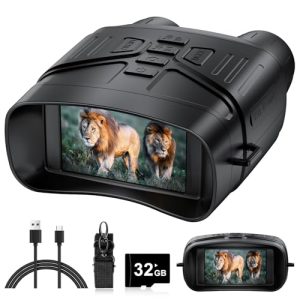
Night vision binoculars use special lenses and sensors to see in the dark. They are useful for surveillance at night or in low light. Some models use infrared light to enhance vision.
Low light binoculars have large lenses that gather more light. This helps you see better at dawn or dusk. These are good if you need clear images in dim conditions.
- Night vision: Uses infrared for dark visibility
- Low light: Large lenses gather more light
- Good for night and early morning surveillance
- May require batteries or power source
Choosing The Right Magnification
Choosing the right magnification is important for long distance surveillance. It affects how clearly you see far objects and how steady the image remains.
Knowing the benefits and trade-offs of different magnifications helps you pick the best binoculars for your needs.
Benefits Of High Magnification
High magnification lets you see small details at great distances. This helps identify objects or people clearly. It also allows closer inspection without moving closer physically.
- See distant objects with more detail
- Spot small movements or changes
- Useful for identifying far away subjects
- Better for fixed observation points
Trade-offs With Stability And Image Brightness
Higher magnification makes images harder to keep steady. Even small hand movements cause shaking. This can make viewing uncomfortable or blurry.
Also, high magnification reduces image brightness. The picture can look darker, especially in low light conditions. This affects how well you see details at dusk or dawn.
| Magnification Level | Image Stability | Brightness |
| Low (4x – 6x) | Very Stable | Bright |
| Medium (7x – 10x) | Moderate Stability | Moderate Brightness |
| High (12x and above) | Less Stable | Darker Image |
Ideal Magnification Range For Surveillance
The best magnification for surveillance balances detail with ease of use. Too high magnification can cause shaky images and tired eyes.
- 8x to 10x is ideal for most long distance tasks
- Provides clear detail without too much shaking
- Works well in various lighting conditions
- Easier to hold steady without a tripod
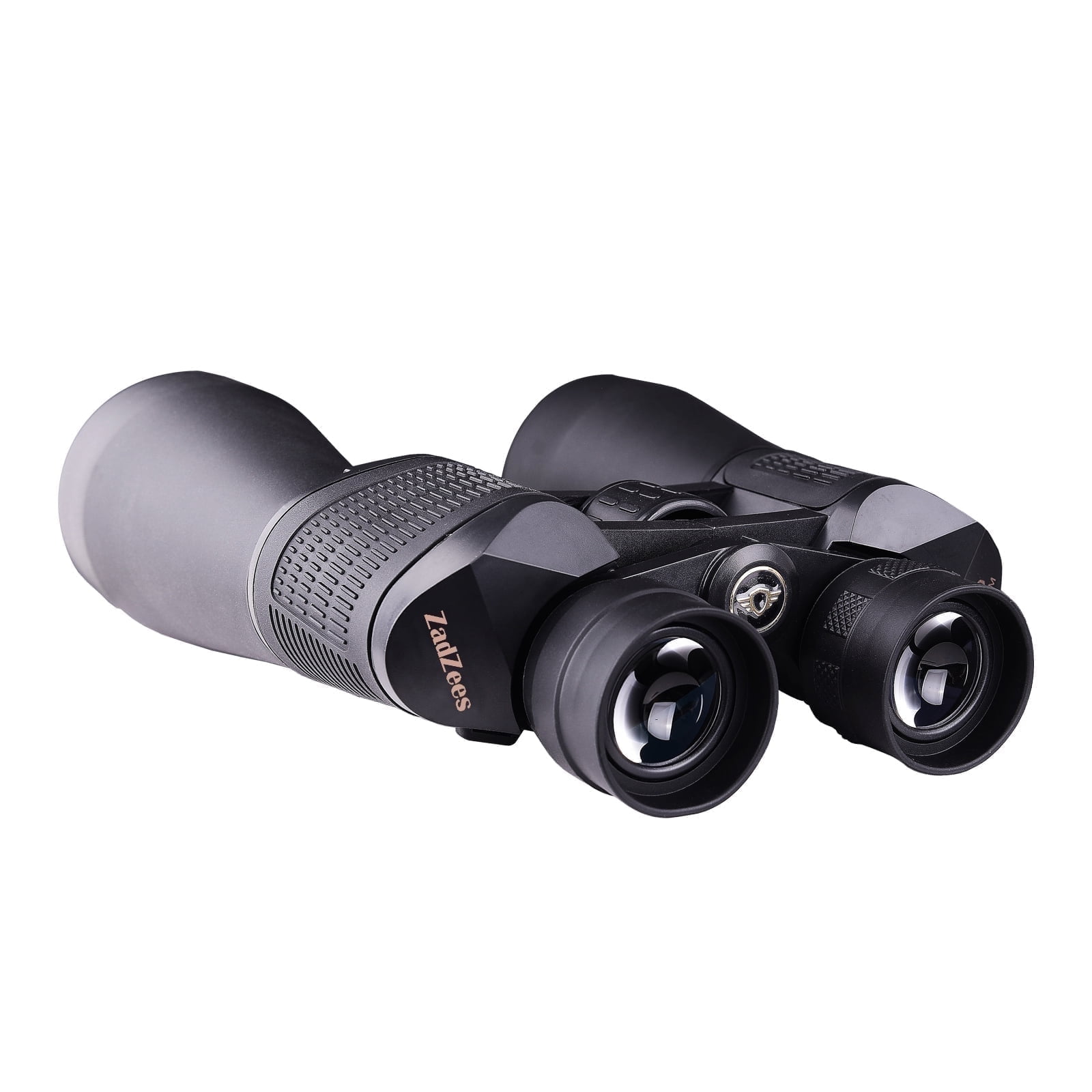
Credit: www.walmart.com
Ergonomics And Comfort
Choosing binoculars for long distance surveillance means focusing on comfort. You will use them for long periods. Ergonomics help reduce hand strain and eye fatigue.
Good binoculars feel balanced and easy to hold. Comfort improves your viewing experience and lets you stay alert longer.
Weight And Size Considerations
Lightweight binoculars ease hand fatigue during long use. Compact size helps with steady holding. Bigger binoculars often have better lenses but weigh more.
- Smaller binoculars are easier to carry and hold steady
- Larger models may offer brighter and clearer views
- Balance between size and weight is key for comfort
- Consider your strength and how long you will use them
Grip And Adjustability
A good grip prevents slipping during use. Rubber or textured surfaces help hold binoculars firmly. Smooth focus wheels and diopter adjustments are easier on fingers.
| Feature | Benefit |
| Rubber-coated grip | Secure hold in wet or dry conditions |
| Large focus wheel | Easier to adjust without strain |
| Diopter adjustment | Customizes focus for each eye comfortably |
Carrying And Storage
Easy carrying options reduce hassle and protect your binoculars. A good case and strap make long trips simpler. Storage space should keep binoculars safe and ready.
- Choose padded cases to prevent bumps and scratches
- Use adjustable neck straps for hands-free carrying
- Look for waterproof or dustproof storage options
- Keep binoculars in a dry place to avoid mold
Popular Brands And Models
Choosing the right binoculars for long distance surveillance depends on quality and features. Many brands offer models designed for clear, sharp views at great distances.
This guide covers popular brands and models that deliver good performance for spotting details far away.
Top Binoculars For Long Distance Viewing
Nikon, Vortex, and Bushnell produce binoculars known for long range clarity. Models like the Nikon Monarch 5 and Vortex Viper HD offer strong zoom and brightness.
- Nikon Monarch 5 – sharp image and waterproof design
- Vortex Viper HD – high-definition lenses and durable frame
- Bushnell Legend Ultra HD – bright and clear views in low light
- Swarovski SLC – premium optics with excellent detail
Budget-friendly Vs Premium Options
Budget binoculars provide decent views but may lack some clarity and durability. Premium models offer better glass and coatings for sharper images.
| Price Range | Features | Examples |
| Budget | Basic optics, plastic body | Bushnell Falcon, Celestron Outland |
| Mid-Range | Better lenses, waterproof | Nikon Monarch, Vortex Diamondback |
| Premium | Top glass, fully multi-coated, rugged | Swarovski SLC, Zeiss Victory |
Additional Accessories
Using binoculars for long distance surveillance is easier with the right accessories. These tools help improve your viewing experience and protect your gear.
Choosing the best accessories can make your binocular use more comfortable and effective. They help keep your binoculars steady, safe, and clean.
Tripods And Stabilizers
Tripods and stabilizers reduce shaking when looking at distant objects. They provide a steady base so your view stays clear.
Using a tripod is important for long viewing sessions. Stabilizers help if you move around while watching.
- Tripods keep binoculars still for sharp images
- Stabilizers reduce hand movement blur
- Both improve comfort during long use
- Some tripods have adjustable height and angle
Carrying Cases And Lens Covers
Carrying cases protect your binoculars from damage when you travel. They keep dirt, dust, and moisture away.
Lens covers guard the glass lenses from scratches and dirt. Covering lenses helps keep your view clear and sharp.
- Cases come in hard or soft materials
- Padded cases protect against drops and bumps
- Lens covers fit snugly to stop dust and scratches
- Some cases have extra pockets for accessories
Cleaning Kits And Maintenance Tools
Cleaning kits help keep binocular lenses clear of dirt and smudges. Proper cleaning improves image quality.
Maintenance tools keep your binoculars working well for a long time. Regular care prevents damage and wear.
- Lens cleaning cloths remove dust without scratching
- Cleaning solutions dissolve oily marks
- Air blowers remove loose dirt gently
- Small brushes clean hard-to-reach areas
- Screwdrivers help tighten loose parts
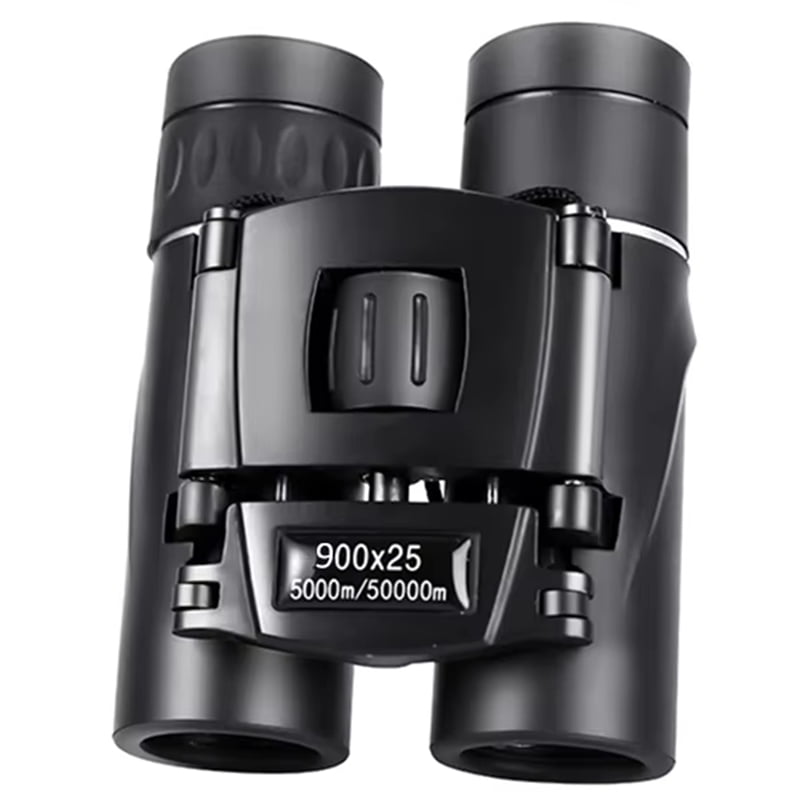
Credit: www.walmart.com
Frequently Asked Questions
What Magnification Is Ideal For Long Distance Surveillance?
A magnification of 10x to 15x is best for clear, detailed long-distance viewing. Higher magnification can reduce image stability.
Which Lens Size Suits Long Distance Binoculars Best?
A 40mm to 50mm objective lens offers a good balance of brightness and portability for long-distance surveillance.
How Important Is Image Stabilization In Binoculars?
Image stabilization is crucial for steady views at high magnification, reducing hand shake and improving clarity during surveillance.
Are Waterproof Binoculars Necessary For Outdoor Surveillance?
Yes, waterproof binoculars protect against rain and moisture, ensuring durability and clear vision in all weather conditions.
Conclusion
Choosing the right binoculars for long distance surveillance matters a lot. You want clear, sharp images and comfortable use. Bright lenses and strong zoom help you see far away details. Also, a sturdy build keeps your binoculars safe outdoors. Think about size and weight for easy carrying.
Quality optics make watching easier and more enjoyable. Good binoculars improve your outdoor experience and safety. Take time to compare features before buying. Find the best fit for your needs and budget. Clear vision is key for successful long distance observation.