Surveillance binoculars only reach their full potential when the support gear around them is dialed in. A steady mount, clean glass, and reliable power often matter more than another point of magnification. The right accessories reduce shake, protect lenses from field damage, make long observation shifts easier, and let you document what you see.
This guide breaks down the highest-impact accessories by function, not by marketing hype. You will find concrete compatibility tips, practical trade-offs, and a clear order of priority so you can build a kit that actually works in the field.
First, Match the Accessory to the Binocular
Before buying anything, confirm three things: eyepiece diameter, tripod socket, and power source.
Eyepiece diameter determines which lens caps, rain guards, and smartphone adapters will fit. Many adapters clamp onto eyepieces between roughly 28mm and 48mm, but fit varies by housing shape.
Tripod socket matters if you plan to mount the binocular. Most accept a standard 1/4-20 thread through a tripod adapter, but some compact or armored models need a custom bracket.
Power source is critical for digital or image-stabilized surveillance binoculars. CR123A, 18650, AA, and USB-C rechargeable systems are all common. Accessories like external chargers and power banks must match that chemistry.
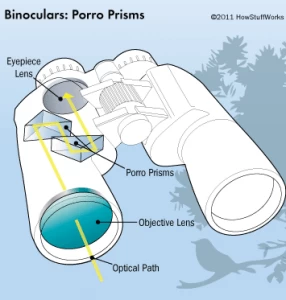
Also think about body style. A roof prism design often places the focus knob in a different position than porro prism models, which affects how easily a focus-assist tool or remote trigger can be operated. If you are still getting used to the roof prism focus mechanism, a simple padded thumb rest can make small adjustments quicker and steadier.
Stabilization and Mounting Accessories
Hand shake is the single biggest enemy of detailed observation. It gets worse after 10x magnification, in wind, and during multi-hour monitoring sessions.
Tripod Adapters and Quick-Release Plates
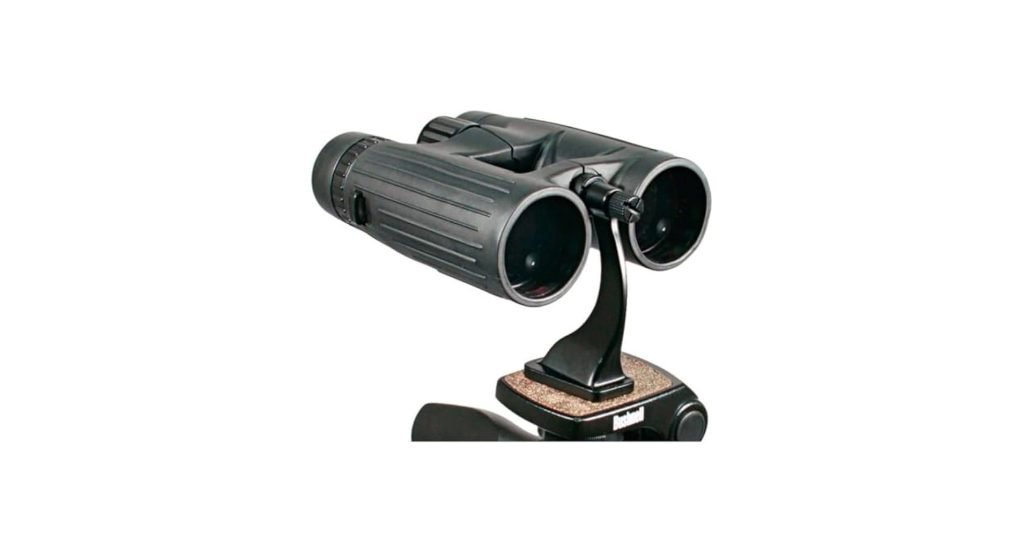
A dedicated binocular tripod adapter clamps around the center hinge or body and gives you a standard thread. Look for one with a padded contact surface. Overtightening a metal clamp directly against the body can dent or crack the housing.
A quick-release plate lets you switch from handheld to mounted in seconds. In practice, this is one of the most useful upgrades for mixed observation work. If the plate has a safety lock, use it. A common mistake is mounting the binocular, lifting the tripod, and discovering the plate release was not fully engaged.
Tripods and Heads
A heavy tripod is not always better. For vehicle-based or static observation, a medium-weight aluminum or carbon fiber tripod with a fluid video head gives smooth panning. For quick setup, a tabletop tripod is more practical than a full-size model.
Above 10x, almost any setup benefits from a mount. The same principle applies whether you are observing at distance or using higher-magnification glass used for astronomy after dark. Choose a head rated for at least twice the combined weight of the binocular and any adapters.

Credit: www.travelandleisure.com
A solid tripod head becomes valuable above 10x magnification or during long static watches.
Window Mounts and Clamps
For vehicle observation, a window clamp with a ball head is often more stable than a full tripod. It keeps the binocular at eye level, reduces arm fatigue, and works well in a parked vehicle. Check that the clamp jaws have rubber padding and that the ball head can hold the binocular at an angle without drooping.
Lens Protection and Weatherproofing
Scratched or fogged lenses degrade image quality before you notice it. Protection accessories are not optional extras; they are the cheapest way to preserve expensive optics.
Lens Covers, Rain Guards, and Tethered Caps
Objective covers protect the large front lenses. Ocular rain guards protect eyepieces and are especially useful when carrying the binocular around your neck in wet conditions. Tethered caps are better than loose caps because they stay attached when you need to raise the glass quickly.
Dust, sand, and salt spray are more damaging than most people expect. Even a short coastal deployment can leave abrasive residue on coated lenses. Keep caps closed when the binocular is not actively being viewed.
Anti-Fog and Hydrophobic Treatments
Anti-fog wipes and sprays reduce condensation on exterior lens surfaces. They help when moving between air-conditioned vehicles and humid outdoor air. Hydrophobic treatments make water bead and roll off, which is valuable in rain or heavy mist.
These treatments do not fix internal fogging. If moisture forms inside the tubes, that is a sealing issue. Many of the same habits used for keeping fog from forming inside the tubes apply to surveillance gear: avoid rapid temperature swings, use desiccant packs in storage, and keep wet gear out of a closed case.
For long-term durability, start with weather-sealed models built for wet terrain and then add external protection instead of relying on a cheap housing to hold back moisture.
Glare Shields and Hoods
A side glare shield reduces peripheral light and keeps your eye better aligned with the eyepiece. This is especially helpful during daylight observation or when working near reflective surfaces.
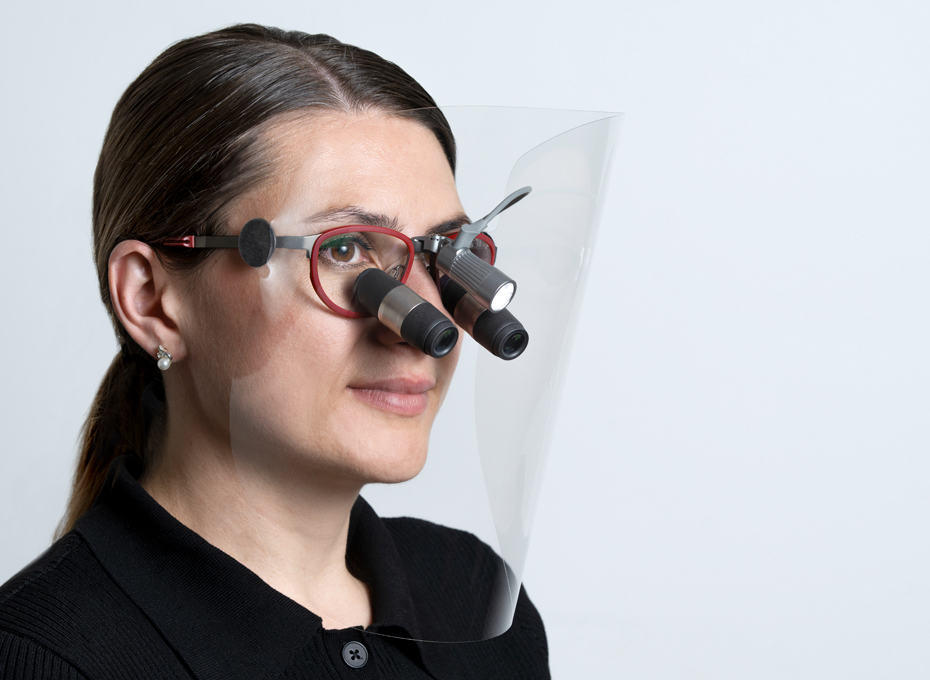
Credit: examvision.com
A glare shield helps block side light during long observation sessions.
Cleaning and Maintenance Kits
A proper cleaning kit includes a rubber air blower, a soft brush, lens-safe fluid, and clean microfiber cloths. Skip kits that rely on rough paper or generic glass cleaner.
Clean in this order:
- Use the blower to remove loose particles.
- Brush away remaining dust with a camel-hair or retractable brush.
- Apply lens cleaner to the microfiber cloth, never directly to the lens.
- Wipe from the center outward in a circular motion.
- Use a separate dry cloth for final polish.
Many of the same gentle care principles recommended by the Cornell Lab of Ornithology for field optics apply to coated surveillance glass. A dirty cloth is a common source of micro-scratches, so store cloths in a sealed bag and replace them regularly.
If you maintain coated optics, follow a care routine for coated lenses that avoids ammonia, alcohol-heavy sprays, and paper towels. Those can strip or cloud modern anti-reflective coatings.
Carrying and Comfort Accessories
Comfort determines how long you can remain effective. A painful neck strap or heavy one-sided setup encourages shortcuts and missed observations.
Padded Neck Straps and Harnesses
A plain thin strap concentrates weight on the back of the neck. A wide padded neck strap is better, but a chest harness or bino pack is best for long shifts. A harness spreads weight across the shoulders and keeps the binocular from swinging during movement.
For uneven terrain or all-day field work, review the same principles used for hands-free field carry. Quick-release buckles should be strong enough to hold the binocular securely but easy to operate with gloves on.
Hard Cases, Soft Cases, and Dry Bags
A rigid case protects against impact during transport but is bulky. A padded soft case with internal dividers suits daily carry. For wet environments, use a roll-top dry bag or add desiccant packs to the case.
Choose a case with enough room for one or two small accessories, but not so large that the binocular slides around. Loose movement inside a case causes rubbing damage over time.
Digiscoping and Image Capture
If you need to document movement, record evidence, or simply capture a long-distance ID, a smartphone adapter is the most cost-effective accessory available.
A digiscoping adapter clamps a phone over one eyepiece while you view through the other. Alignment matters. The phone camera must sit directly over the eyepiece center, or you will see dark vignetting in the frame. Bluetooth remote shutters eliminate the shake caused by tapping the phone screen.
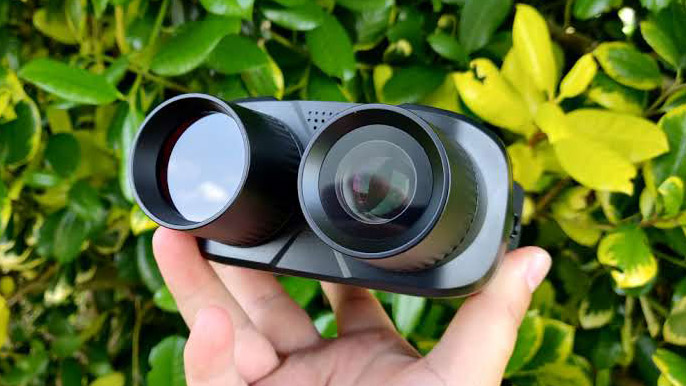
Credit: www.digitalcameraworld.com
The adapter should center the phone camera over the eyepiece to avoid vignetting.
For tripod and smartphone adapter compatibility, manufacturer spec sheets are more reliable than generic listings. Check the maximum eyepiece diameter, clamp opening width, and whether the adapter supports your phone case thickness.
A common mistake is buying a universal adapter before measuring the eyepiece. If the clamp cannot open wide enough or closes unevenly, the phone will slip and the image will drift during recording.
Power and Storage for Digital Binoculars
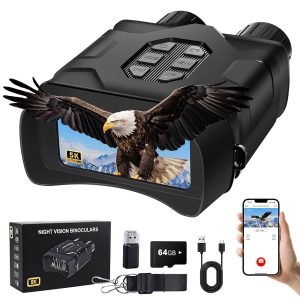
Digital and night-vision surveillance binoculars consume more power than analog optics. Cold weather drains batteries faster, and recording video accelerates drain further.
Batteries and External Power
Carry at least one extra set of the exact battery type your unit requires. Do not substitute battery chemistries unless the manufacturer lists them as compatible. For USB-rechargeable models, a compact 10,000mAh power bank can keep a binocular running through a long shift.
An external charger is better than charging batteries inside the device when possible. Internal charging generates heat and can reduce long-term battery life in tightly sealed housings.
Memory Cards and Storage Practices
For digital recording, use cards rated for video speed class U3 or V30 if you plan to capture high-resolution footage. Format the card in the device before first use, and carry a spare. A card failure during critical observation is preventable with routine formatting and replacement.
Label each card and rotate them instead of overwriting the same card every shift. This reduces the chance of losing earlier evidence and makes it easier to track a problem card.
| Accessory | Primary Benefit | Priority Level |
|---|---|---|
| Tripod adapter and fluid head | Removes shake at distance | High for 10x+ |
| Lens covers and rain guard | Prevents scratches and moisture | Essential |
| Cleaning kit | Maintains clarity | Essential |
| Padded harness | Reduces fatigue | High for long shifts |
| Smartphone adapter | Captures evidence | Situational |
| Spare batteries or power bank | Avoids dead gear | High for digital |
| Night vision add-on | Extends low-light range | Situational and regulated |
Low-Light and Night Vision Add-Ons
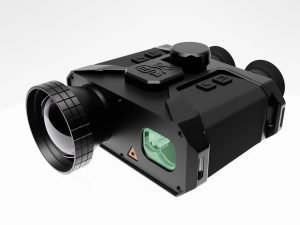
Night vision is not a single accessory category. Clip-on rear-mount units attach behind a day optic and preserve the binocular's original reticle, while some digital units mount in front of the objective. Both add weight and change eye relief.
Infrared illuminators improve performance in complete darkness, especially with digital night vision. However, not all illuminators are legal in every jurisdiction, and some emit a visible red glow. Check local rules before using IR equipment in public spaces.
For observations around dawn, dusk, or under tree canopy, a better first step is often to use mid-range low-light glass designed around larger exit pupils rather than adding an expensive clip-on. A 50mm objective at 7x or 8x can gather far more light than a compact 10×25 under marginal conditions.
Specialty Tools for Surveillance Work
Rangefinders and Reticles
A laser rangefinder gives distance data that can confirm whether a subject is moving closer or farther. Reticle-equipped binoculars use mil or MOA markings to estimate size and range without electronics. Reticles are especially useful when you want low-signature observation, since they add no light or sound.
Audio Recording
Small audio recorders can attach near the tripod or to a harness to capture synchronized notes. If you use audio recording for security or evidentiary purposes, understand consent and notification laws in your area. Audio capture is regulated differently from visual observation in many places.
Camouflage and Glare Reduction
Camouflage wraps or covers reduce reflections from glossy housings. They also protect against minor scratches and make the setup less visually obvious. In surveillance, glare from an objective lens can reveal your position just as easily as movement.
GPS and Tracking Tools
A GPS module or smartphone logging app lets you mark observation points, retrace routes, and timestamp notes. Some units pair with a phone app to attach location data automatically. This is valuable for mobile observation and multi-location monitoring.
Use-Case Priority Table
| Observation Scenario | First Accessory to Add | Second Accessory | Third Accessory |
|---|---|---|---|
| Static long-range watch | Tripod and fluid head | Wireless remote or cable release | Sunshade or glare shield |
| Mobile ground patrol | Padded chest harness | Tethered lens caps | Compact rain cover |
| Vehicle-based monitoring | Window clamp mount | 12V USB charger | Anti-fog wipes |
| Low-light or night work | Larger-objective binocular or NV add-on | Spare batteries | IR illuminator if legal |
| Evidence documentation | Smartphone digiscoping adapter | High-speed memory card | Bluetooth shutter |
| Wet or coastal deployment | Waterproof housing or dry bag | Hydrophobic lens treatment | Desiccant packs |
Common Mistakes to Avoid
Buying a universal adapter before measuring the eyepiece. Fit varies widely, and a loose clamp causes blur and phone drift.
Overtightening tripod adapters. The clamp should be snug, not cranked down. Too much force deforms the housing or damages the center hinge.
Using household glass cleaner on coated lenses. Ammonia and alcohol can degrade multi-coatings over time. Stick with optical-safe fluid.
Ignoring weight distribution. A heavy accessory on a light binocular makes handheld use uncomfortable and increases fatigue. Test the full kit, not the binocular alone.
Storing batteries inside the unit. In storage, remove batteries to prevent corrosion leaks from ruining the contacts or circuit board.
Not testing night vision before deployment. Eye relief and balance change with clip-on units. Test at the distances and lighting levels you expect to encounter.
Frequently Asked Questions
What accessories should I buy first for surveillance binoculars?
Start with a fitted tripod adapter, tethered lens covers, a lens-safe cleaning kit, and a padded harness. These four items improve stability, protection, clarity, and comfort more than any specialty add-on.
Do I need a tripod for surveillance binoculars?
You need a stable mount above 10x or for continuous observation. Below 8x, a chest harness and good posture may be enough. Above 10x, even a compact tabletop tripod or window clamp will reveal detail that handheld shake obscures.
Are smartphone adapters worth it?
Yes, if you need to document subjects or share images quickly. The best setups use a properly aligned adapter, a remote shutter, and a stable tripod. Without a remote shutter, tapping the phone screen reintroduces shake.
What is the most overlooked surveillance binocular accessory?
A glare shield or side shield. It reduces peripheral light, improves contrast in bright conditions, and helps maintain natural eye alignment during long sessions. It costs far less than optical upgrades.
How do I keep surveillance binoculars clear in rain and fog?
Use hydrophobic treatment or anti-fog wipes on external lenses, keep caps closed between observations, and store the gear with desiccant packs. If internal fogging occurs, the housing seal likely needs service.
Conclusion
The best surveillance binocular accessory is not the most expensive one. It is the one that removes the largest real-world problem: shake, scratched lenses, dead batteries, or a neck that gives out after an hour.
Start with three high-impact upgrades: a properly fitted tripod adapter, a padded chest harness, and a lens-safe cleaning kit. Add a smartphone adapter when you need documentation, then consider night vision or specialty tools only after the basics are solid.
Build the kit around your actual observation style. Static users should prioritize mounting and remote control. Mobile users should prioritize carry comfort and weather protection. Digital users should prioritize power and storage redundancy. When each accessory solves a specific field problem, the whole system becomes easier, sharper, and far more reliable.