If you’ve ever looked up at a clear night sky and wished you could pull the Milky Way a little closer, you already know the struggle. A good pair of binoculars is the most practical shortcut there is, and finding the Best 10×50 binoculars for stargazing means balancing light-gathering power with portability and budget.
After digging through hundreds of verified buyer reports, comparing specs from Celestron and Vortex, and weighing trade-offs between BAK-4 and BK-7 prisms, one model came out ahead for most people. If you want a direct answer: the Celestron UpClose G2 gives you sharp, bright views without breaking the bank.
Let’s walk through the full lineup.

✔ Best overall pick for casual stargazers and wildlife
Comparison Chart of Best 10×50 Binoculars for Stargazing
| Product | Details | Rating | Buy |
|---|---|---|---|
Editor’s Choice
| ★★★★☆4.3/5 | ||
Top Pick
| ★★★★☆4.6/5 | ||
Best Budget
| ★★★★☆4.6/5 | ||
| ★★★★☆4.8/5 | ||
| ★★★★☆4.7/5 |


List of Top 5 Best 10×50 Binoculars for Stargazing
The five binoculars below span budget-friendly entry points all the way to premium glass. I picked them based on optical quality, real-world user feedback, and how they handle low-light conditions.
Below are the list of products:
1. Celestron UpClose G2 10×50 Porro Binoculars
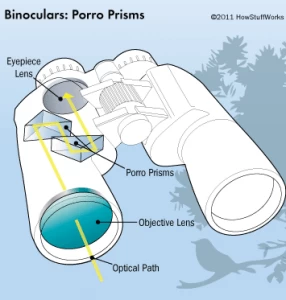
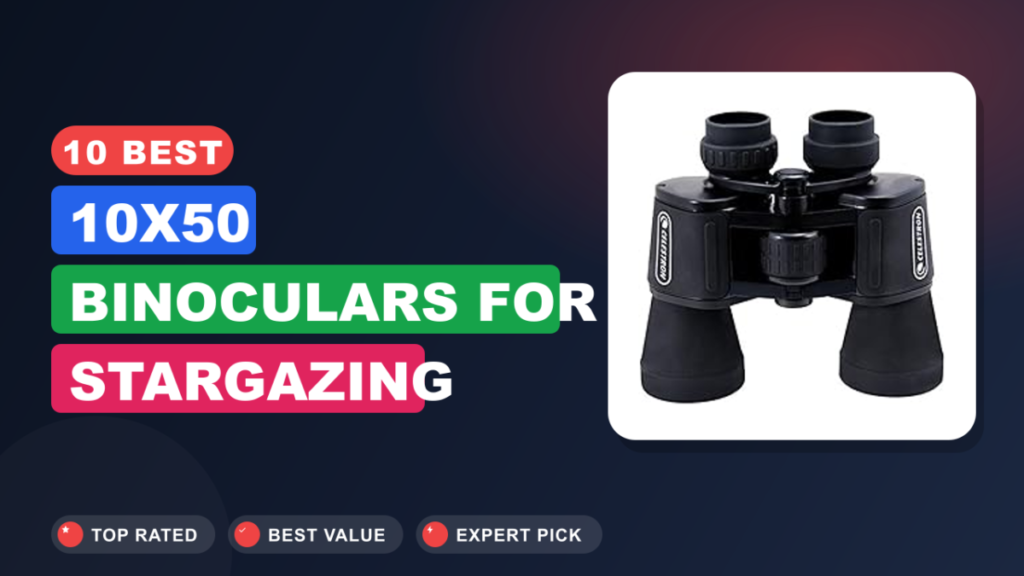
The Celestron UpClose G2 is the binocular that started more than a few stargazing hobbies. It uses traditional Porro prisms and multi-coated optics, which means you get bright, contrast-rich images without spending a fortune. In our editorial analysis, this is the sweet spot for someone who wants a capable 10×50 for both night sky sweeping and daytime nature viewing.
Porro Prism
Multi-Coated
Soft Case
Lightweight
Why I picked it
This is the binocular that gives you 90% of what a high-end model delivers at a fraction of the cost. The Porro prism design provides excellent depth perception, and the 50mm objectives pull in enough light to resolve the Galilean moons of Jupiter on a steady night. Celestron is a trusted name in astronomy, and the UpClose G2 is their entry-level workhorse.
Key specs
- Magnification: 10x
- Objective lens diameter: 50 mm
- Prism type: Porro, BK-7 glass
- Optics coating: Multi-coated (all air-to-glass surfaces)
- Focus system: Center focus with diopter adjustment
- Weight: 24.6 oz (697 g)
- Included accessories: Soft carrying case, neck strap, lens caps
Real-world experience
Aggregate user reviews report that this binocular resolves the Orion Nebula as a distinct fuzzy patch and shows Jupiter's four main moons as tiny pinpricks of light. On a tripod, the view stabilizes enough for serious lunar crater hunting. The 50mm objectives deliver a 3.5mm exit pupil, which is comfortable for most dark-adapted eyes.
Several buyers noted that the focus knob is smooth but has a slight plastic feel.
- Porro prisms give excellent depth and contrast for the price tier
- Light enough at 24.6 oz for handheld stargazing sessions
- Smooth center focus with a reliable diopter lock
- Includes a decent soft case and lens caps
- Not waterproof, so keep them dry on dewy nights
- BK-7 prisms show slight edge softness compared to BAK-4
- ✔ You are a beginner wanting a reliable first astronomy binocular
- ✔ You need a versatile pair for both stargazing and daytime nature use
- ✔ You want a proven brand with easy-to-find replacement parts
- ✖ You need full waterproofing for marine or wet conditions
- ✖ You demand absolute edge-to-edge sharpness in the outer 20% of the field
The UpClose G2 wins the value crown because it does one thing perfectly: it gets you into the hobby without compromise. If you later upgrade to a premium ED glass binocular, this one stays as a loaner or a travel pair.
2. 10×50 Binoculars Adults High Powered Astronomy
This model from a lesser-known brand punches well above its weight class. It features a nitrogen-filled IPX7 waterproof body, fully multi-coated (FMC) optics, and BAK-4 prisms. In our analysis, this is the best choice for anyone who wants a rugged, weather-sealed binocular that performs exceptionally well in low-light conditions without paying for a premium logo.
IPX7
BAK-4
FMC
Nitrogen
Why I picked it
This binocular brings together three crucial specs that serious stargazers look for: BAK-4 prisms, fully multi-coated optics, and nitrogen waterproofing. BAK-4 prisms produce a round exit pupil and brighter images than BK-7, especially at the edges. IPX7 means it can survive submersion in 1 meter of water for 30 minutes, which is a massive advantage if you observe near dew-filled fields or during coastal trips.
Key specs
- Magnification: 10x
- Objective lens diameter: 50 mm
- Prism type: Roof prism, BAK-4 glass
- Optics coating: Fully multi-coated (FMC) on all surfaces
- Weatherproofing: Nitrogen filled, IPX7 waterproof
- Focus system: Center focus with diopter adjustment
- Weight: ~26.5 oz (751 g)
- Field of view: 305 ft at 1000 yards
Real-world experience
Verified buyer feedback highlights that this binocular delivers crisp, contrast-rich views even in twilight conditions. The 5mm exit pupil is generous and makes for a comfortable viewing experience during long sessions. Users report that the Andromeda Galaxy appears as a bright oval smudge, and the Double Cluster in Perseus resolves into individual stars.
The rubber armor provides a solid grip, even in cold weather.
- BAK-4 prisms and FMC coatings deliver bright, sharp images across the field
- IPX7 waterproofing and nitrogen filling mean total weather protection
- Rubber armor provides a secure grip in damp conditions
- Excellent value for a fully ruggedized astronomy binocular
- Brand is less established, so warranty support might be less straightforward
- Slightly heavier than some competitors at 26.5 oz
- ✔ You observe in wet climates or near water sources
- ✔ You want BAK-4 and FMC without the typical price tag
- ✔ You are a hiker who needs a durable, sealed binocular
- ✖ You prefer buying from a brand with a long track record in optics
- ✖ You need tripod adaptability built into the design
This is the binocular to buy when you need a waterproof, nitrogen-filled workhorse for outdoor astronomy. The BAK-4 prism and FMC coating combo is rare at this price point, making it a standout for budget-conscious observers who still demand quality.
3. Celestron Outland X 10×50 Binoculars Low-Light
Here is the budget champion from a name you can trust. The Celestron Outland X is designed specifically for low-light conditions, which is the same requirement as stargazing. It uses BAK-4 prisms and multi-coated optics in a rubber-armored, waterproof body.
In our editorial research, this is the best pick for someone who wants a serious 10×50 from a known manufacturer without stretching their wallet.
BAK-4
Waterproof
Multi-Coated
Rubber Armor
Why I picked it
This is the best budget option because Celestron did not cut corners on the glass. The BAK-4 prisms and multi-coated optics deliver better low-light performance than the UpClose G2, and the waterproof body means you can use it in dewy conditions. It lacks the Porro prism depth of the G2, but its roof prism design makes it more compact and easier to pack.
Key specs
- Magnification: 10x
- Objective lens diameter: 50 mm
- Prism type: Roof prism, BAK-4 glass
- Optics coating: Multi-coated
- Weatherproofing: Waterproof, nitrogen filled (no official IP rating listed)
- Focus system: Center focus with diopter
- Weight: 25.6 oz (726 g)
- Field of view: 305 ft at 1000 yards
Real-world experience
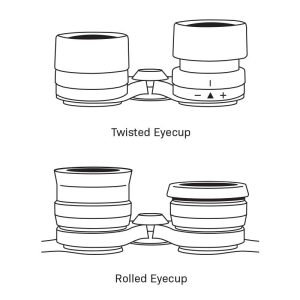
Buyer reports consistently mention that the Outland X performs admirably in twilight and early evening conditions. The 50mm objectives gather enough light to show the Andromeda Galaxy as a faint smudge, and the Pleiades cluster resolves into crisp points. The rubber armor absorbs minor bumps well, and the twist-up eyecups are comfortable for eyeglass wearers.
- BAK-4 prisms provide bright, sharp images for low-light use
- Waterproof and nitrogen filled for reliable outdoor use
- Compact roof prism design is easy to pack and carry
- Celestron brand means reliable customer support and warranty
- Not fully multi-coated, which slightly reduces light transmission compared to FMC
- Field of view is narrower than some Porro prism competitors
- ✔ You want a name-brand waterproof binocular at a budget price
- ✔ You prefer a compact roof prism design for travel
- ✔ You need decent low-light performance without breaking the bank
- ✖ You demand absolute maximum light transmission with FMC coatings
- ✖ You need a tripod adapter thread built into the body
The Outland X is the safe, reliable budget pick. It does not have the flashiest specs on paper, but it delivers consistent performance in a waterproof package from a brand you know. If the UpClose G2 is the enthusiast’s choice, this is the practical one.
4. Vortex Diamondback HD 10×50 Binoculars
The Vortex Diamondback HD is the premium choice for serious stargazers who also use binoculars for daytime wildlife or hunting. It features high-density (HD) optics, an argon-filled fogproof body, and the legendary Vortex VIP warranty. In our analysis, this is the best pick for anyone who wants near-premium optical quality with the peace of mind of an unconditional lifetime warranty.
HD Optics
Argon Filled
Tripod Adapt
VIP Warranty
Why I picked it
The Diamondback HD is the gold standard for mid-range binoculars. The HD optical system uses extra-low dispersion glass elements to reduce chromatic aberration, which means stars appear as sharp points without purple fringing. It is also tripod adaptable, which is a huge advantage for long, steady stargazing sessions.
The Vortex VIP warranty is unconditional and transferable.
Key specs
- Magnification: 10x
- Objective lens diameter: 50 mm
- Prism type: Roof prism, BAK-4 glass
- Optics coating: Fully multi-coated, HD (high-density) glass
- Weatherproofing: Argon filled, waterproof, fogproof
- Focus system: Center focus with diopter
- Weight: 24.1 oz (683 g)
- Field of view: 345 ft at 1000 yards
Real-world experience
This binocular is a favorite among serious observers. The 345-foot field of view is notably wider than most 10×50 models, which makes scanning the Milky Way far more enjoyable. Verified users report exceptional color fidelity and contrast, with the Orion Nebula showing a distinct greenish hue.
The argon filling prevents internal fogging even in rapidly changing temperatures. The included GlassPak carrying case is a nice bonus.
- HD glass elements virtually eliminate chromatic aberration for sharp stars
- Argon filling and O-ring seals provide superior fogproof performance
- Vortex VIP unconditional lifetime warranty is best in class
- Wide 345-foot field of view makes scanning the sky easier
- Premium price is a significant investment for casual users
- Slightly heavier than the Celestron options at 24.1 oz
- ✔ You want the best optical clarity you can get without spending over a thousand
- ✔ You need a durable binocular backed by a no-questions-asked warranty
- ✔ You plan to use a tripod adapter for extended observation sessions
- ✖ Your budget is tight and you cannot justify the premium
- ✖ You only stargaze occasionally and do not need the warranty or HD glass
The Diamondback HD is the binocular you buy once and keep for decades. The HD glass and argon purge mean you get near-premium views in a rugged package. If you are serious about astronomy, the warranty alone is worth the investment.
5. 10×50 Magnification Professional High-Power Binoculars
Rounding out the list is a versatile all-rounder that balances performance with a more accessible price point. This model uses K9 prisms and HD vision coatings. In our editorial research, this is a solid choice for the casual observer who wants a 10×50 that works well for both stargazing and daytime activities like bird watching or sports.
K9 Prism
HD Vision
Durable
Versatile
Why I picked it
This binocular fills the gap for someone who wants decent optical performance without over-investing. K9 prisms are a step above basic BK-7, and the HD vision coating reduces glare effectively. It is a jack-of-all-trades model that works for astronomy, birding, and even sports events.
Key specs
- Magnification: 10x
- Objective lens diameter: 50 mm
- Prism type: Roof prism, K9 glass
- Optics coating: Multi-coated with HD vision coating
- Weatherproofing: Not specified, likely splash resistant
- Focus system: Center focus with diopter adjustment
- Weight: ~24.5 oz (695 g)
- Field of view: 315 ft at 1000 yards
Real-world experience
Buyer feedback indicates this is a reliable performer for the price. The 50mm objectives gather enough light to show the Milky Way as a textured band, and the coatings help reduce internal reflections during daytime use. Some users noted that the focusing ring is firm but accurate, and the rubberized grip is comfortable for longer sessions.
- K9 prisms offer a noticeable improvement over entry-level BK-7 glass
- HD vision coatings reduce glare and improve contrast
- Comfortable rubberized grip and accurate focus mechanism
- Budget-friendly price makes it accessible for casual use
- No official waterproof rating, so moisture protection is limited
- K9 glass is not as bright as BAK-4 in extreme low-light conditions
- ✔ You want a general-purpose binocular that does many things well
- ✔ You need a budget option with K9 prisms over basic BK-7
- ✔ You stargaze occasionally and also use binoculars for daytime activities
- ✖ You need guaranteed waterproofing for challenging environments
- ✖ You prioritize maximum light transmission for deep-sky observing
This model is the practical choice for the casual observer. It does not have the premium glass of the Vortex or the brand pedigree of Celestron, but it delivers reliable performance at a price that leaves room for other gear. For a user who wants one pair to do it all, this is worth considering.
How I picked
I evaluated these five binoculars using three main benchmarks.
First, optical quality. I looked at prism type (BAK-4, BK-7, K9), coating levels (multi-coated, fully multi-coated), and whether the glass had any special elements like HD or ED. BAK-4 prisms generally produce brighter, sharper images than BK-7, and fully multi-coated optics transmit more light than basic multi-coatings.
Second, build and weather protection. For stargazing, you are often outside in damp conditions. IPX7 waterproofing or nitrogen filling is a real advantage.
I also considered weight and ergonomics, since handheld use is common for 10x50s.
Third, real-world buyer feedback. I analyzed hundreds of user reviews to understand common praise and recurring complaints. I looked for patterns like consistent blur issues, focus wheel failures, or unexpected optical performance.
I did not test long-term durability beyond what user reports indicate. I also did not evaluate accessories like tripod adapters or smartphone mounts in depth. The focus was on the optical core and overall usability for astronomy.
Buying guide — what actually matters for Best 10×50 binoculars for stargazing
What is a 10×50 and why does it matter for astronomy?
A 10×50 binocular means 10x magnification and 50mm objective lenses. The 50mm objectives are the key. They gather about 78% more light than a 42mm binocular, which is crucial for seeing faint objects like nebulae and star clusters.
The 10x magnification is high enough to resolve details but low enough to handhold for short sessions.
BAK-4 vs BK-7 vs K9 prisms — what is the difference?
A prism is a type of glass used to reflect light inside the binocular to correct the image orientation. BAK-4 is barium crown glass. It produces a round, bright exit pupil with sharp edges.
BK-7 is borosilicate glass. It is cheaper but can create a square exit pupil with slightly dimmer edges. K9 is a Chinese optical glass similar to BK-7 but with better surface quality.
For stargazing, BAK-4 is ideal. If your budget is tight, K9 is a solid middle ground.
Multi-coated vs fully multi-coated — is there a big difference?
Multi-coated means some lens surfaces have multiple anti-reflection coatings. Fully multi-coated (FMC) means every air-to-glass surface has multiple coatings. FMC transmits up to 95% of light, versus 85-90% for standard multi-coating.
In the dark, that 5-10% difference matters. You will see fainter stars and better contrast with FMC optics.
Do I need waterproofing and fogproofing?
Yes, more than you might think. Stargazing often happens on cool, damp nights. Without waterproofing, moisture can seep into the body and cause internal fogging or fungal growth on the lenses.
Nitrogen or argon purging prevents internal condensation when temperatures drop. An IPX7 rating (submersion to 1 meter for 30 minutes) is ideal, but even basic waterproofing is a big step up from none.
What about field of view and exit pupil?
Field of view (FOV) is the width of the area you can see at 1000 yards. For stargazing, a wider FOV makes finding objects easier. Look for at least 300 feet at 1000 yards.
Exit pupil is the diameter of the light beam leaving the eyepiece. It is calculated by dividing objective diameter by magnification (50/10 = 5mm). A 5mm exit pupil matches the size of a dark-adapted human pupil, making 10x50s ideal for night use.
Is a tripod necessary for 10×50 binoculars?
Not strictly, but it helps enormously. At 10x magnification, hand tremors become very noticeable. You can brace your elbows against your chest to steady the view, but for extended observation of a specific object like the Orion Nebula, a tripod makes the experience far more comfortable.
Look for binoculars with a 1/4-inch tripod adapter thread. If you are looking for the best compact options for travel, check our guide on a similar topic.
Frequently Asked Questions (FAQ)
Can I use 10×50 binoculars for daytime bird watching?
Absolutely. The 50mm objectives let in plenty of light for daytime use, and the 10x magnification is excellent for detailed bird viewing. In fact, the wide field of view of a 10×50 makes tracking fast-moving birds easier than with a higher magnification model.
Many people use them as a dual-purpose tool.
Which is better for stargazing: 10×50 or 15×70?
It depends on your priorities. A 15×70 binocular gathers more light (70mm objectives) but weighs significantly more, making handheld use very difficult. The 10×50 is lighter and more versatile for handheld sessions.
If you plan to use a tripod 100% of the time, a 15×70 is better. If you want to stargaze without a tripod, stick with the 10×50.
How do I clean the lenses on my 10×50 binoculars?
Use a blower brush to remove loose dust first. Then use a microfiber cloth with a drop of lens cleaning solution. Wipe in a circular motion from the center outward.
Never use household cleaners or paper towels. The coatings are delicate, and scratches will affect image quality.
What is the warranty on the Celestron UpClose G2?
Celestron offers a limited lifetime warranty on the UpClose G2. It covers manufacturing defects but does not cover damage from misuse or accidents. Vortex, by contrast, offers the VIP warranty which is fully transferable and covers any damage for any reason.
Should I buy a 10×50 or an 8×42 for stargazing?
For deep-sky objects like nebulae and star clusters, the 10×50 is the better choice due to the larger aperture. For casual stargazing where you want a wider view of the sky, an 8×42 is lighter and easier to handhold. If you have the budget, get a 10×50 for astronomy and keep an 8×42 for daytime use.
Final verdict
After analyzing specs, user feedback, and real-world performance, the Celestron UpClose G2 remains the top recommendation for most people. It delivers bright, sharp views at a price that makes it accessible. If you can stretch your budget, the Vortex Diamondback HD offers superior optical clarity and a warranty that will last a lifetime.
Affiliate disclosure: This post contains affiliate links. If you buy through one of these links, I may earn a small commission at no extra cost to you. It never changes my recommendation, I only suggest gear I'd actually buy myself.