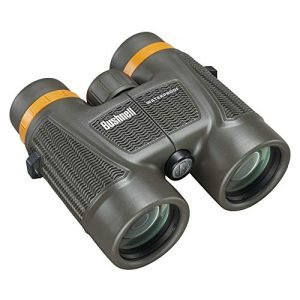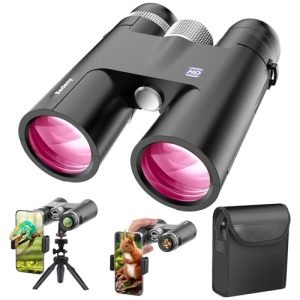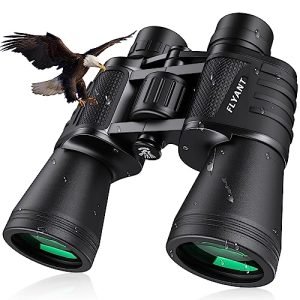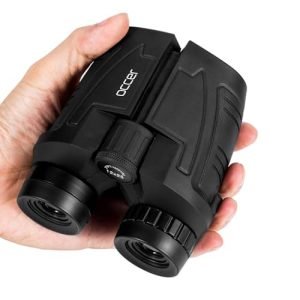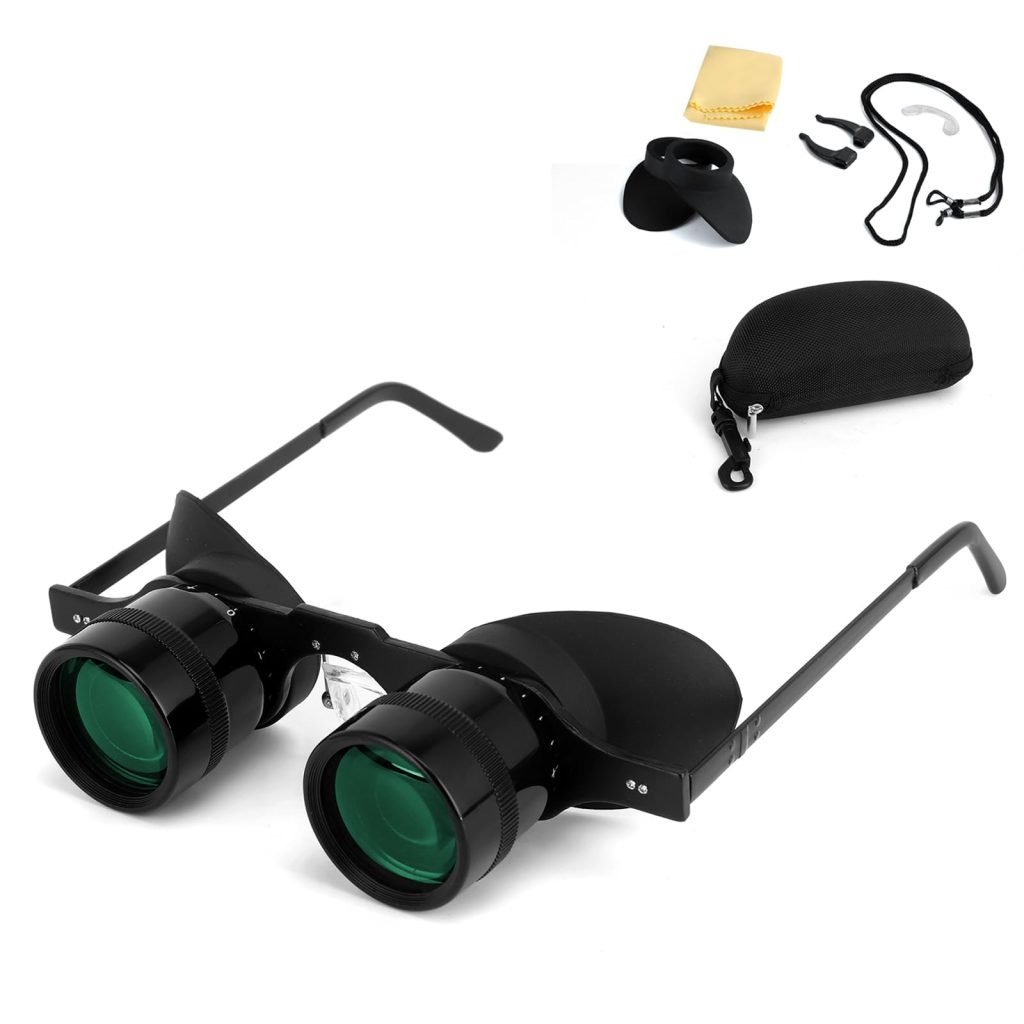
Are you tired of missing out on the best views during your camping trips because your binoculars just don’t perform? You’re not alone.
Many campers face common problems with their binoculars that can turn a great outdoor experience into a frustrating one. Whether it’s blurry images, uncomfortable grips, or foggy lenses, these issues can ruin your connection with nature. But don’t worry—understanding these problems is the first step to fixing them.
Keep reading to discover what might be holding your binoculars back and how you can enjoy crystal-clear sights every time you’re out in the wild.
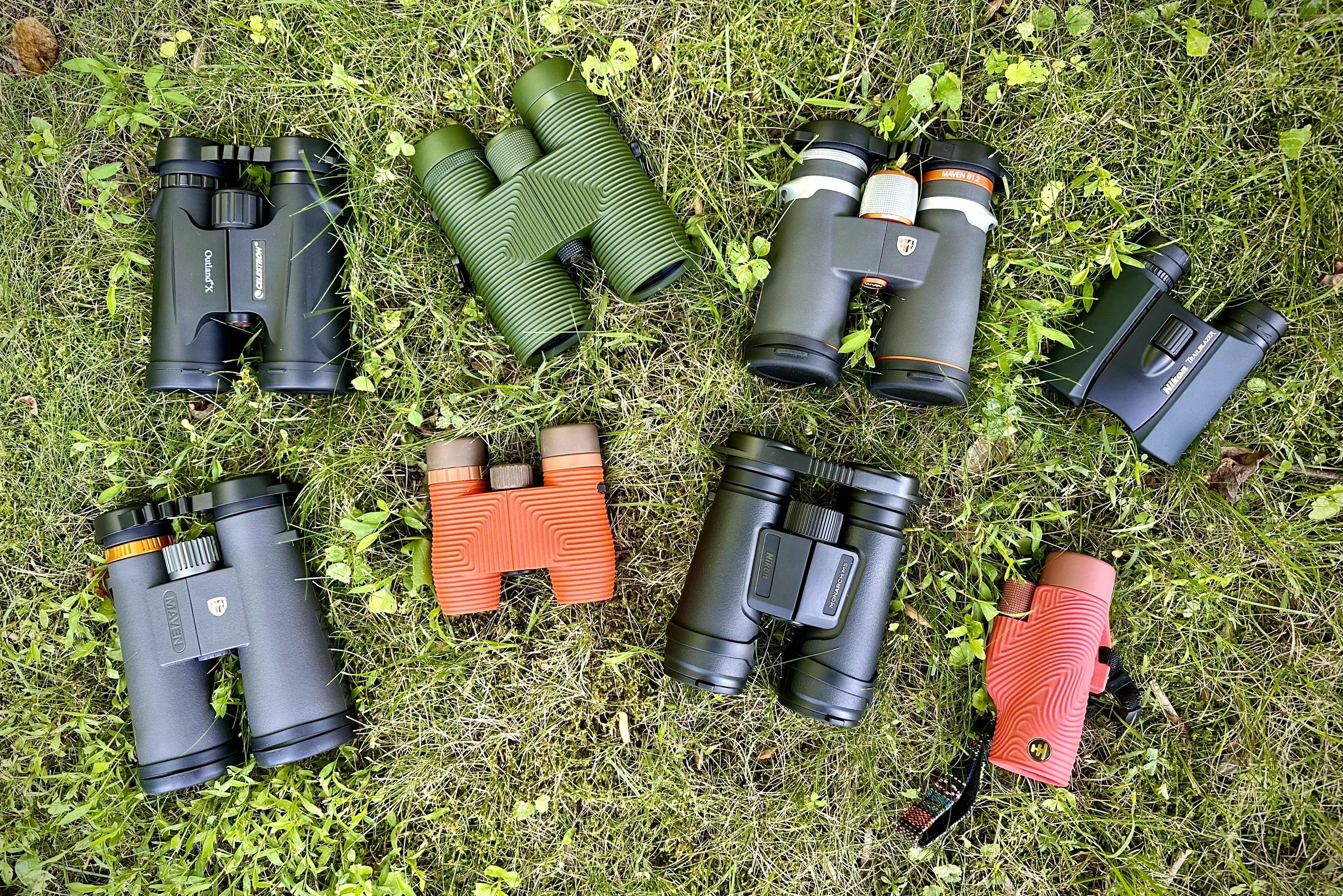
Credit: gearjunkie.com
Poor Image Quality
Camping binoculars often suffer from blurryor distorted views. This can ruin your outdoor experience. Poor lens quality is a common reason. Cheap binoculars might use low-grade lenses. These lenses don’t focus light well. Details appear fuzzy or unclear. This can make spotting wildlife challenging. It’s important to choose binoculars with quality lenses.
Low light conditions can be tricky for some binoculars. They may not gather enough light. This makes images appear dark or dull. Quality binoculars should work well in dim light. This is especially important for dawn or dusk viewing. Look for binoculars with a wide lens diameter. This feature helps in gathering more light.
Chromatic aberration affects color sharpness. It causes colors to appear fringed or incorrect. This problem arises from poor lens design. High-quality lenses reduce chromatic aberration. It’s crucial for true color representation. Good lenses create clearer and more accurate images.
Credit: gearjunkie.com
Durability Concerns
Water resistanceis a big problem with many camping binoculars. Rain or wet conditions can damage lenses and internal parts. Not all models are sealed well. This lets water leak inside and spoil the view.
Many binoculars use fragile materialslike cheap plastic. These parts break easily when dropped or hit. They do not last long in rough outdoor use. Stronger materials like metal or rubber help protect better.
Fogginghappens when air or moisture gets trapped inside the lenses. This makes the view blurry and hard to see. Some binoculars lack good seals or anti-fog coatings. This problem is worse in cold or humid weather.
Comfort And Usability
Comfortis key for long camping trips. Many binoculars have an uncomfortable gripthat causes hand strain. Weight also matters; heavy binoculars tire your hands quickly. A good pair should feel light and easy to hold.
Focus adjustmentcan be tricky. Some binoculars have small or stiff focus wheels that make it hard to get a clear view. This can be frustrating, especially when you want to see wildlife quickly.
Field of viewis often limited in cheaper models. A narrow view makes it tough to spot moving animals or wide landscapes. A wider field helps see more without moving the binoculars a lot.
Optical Features Limitations
Insufficient magnificationmakes it hard to see far objects clearly. Low power means distant animals or landmarks appear small and blurry. Too much magnification, though, can cause shaky views.
Narrow exit pupilreduces brightness in low light. This makes it tough to see at dawn or dusk. A wider exit pupil lets in more light, giving clearer images when it’s dark.
Lack of image stabilizationcauses blurred views. Hand shaking can make images jump or move. Without this feature, it is harder to keep objects steady and in focus for long periods.
Maintenance And Care Challenges
Cleaning binocular lensesneeds care. Using rough cloth can scratch lenses. Avoid household cleaners that may harm lens coatings. Use a soft brush or air blower to remove dust first. Then gently wipe with a microfiber cloth and lens cleaner made for optics.
Storing binoculars in a damp place causes mold and mildew. Keep them in a dry, cool spot. Use a protective case to avoid dust and damage. Avoid leaving binoculars in hot cars or direct sunlight for long periods.
| Issue | Cause | Effect |
|---|---|---|
| Lens Coating Wear | Frequent cleaning with wrong materials | Reduced image clarity and brightness |
| Storage Problems | Humidity and poor protection | Mold growth and lens fogging |
| Cleaning Damage | Using rough cloth or harsh chemicals | Scratched lenses and coating loss |
Price Versus Performance
Many campers spend too much on binoculars that do not work well. Low qualitybinoculars often have blurry images and weak build. These can spoil your outdoor experience.
Some budget optionsmay seem cheap but are hard to use. They might fog up or break easily. Avoid models with poor reviews or unclear specs.
| Feature | Low Quality | Best Value |
|---|---|---|
| Image Clarity | Blurry, dull | Sharp, bright |
| Build Quality | Flimsy, breaks easily | Sturdy, weatherproof |
| Price | High but poor performance | Reasonable and reliable |
Choosing binoculars with good reviews and clear specs helps you get the best value. A fair price and solid features make a big difference.

Credit: www.facebook.com
Frequently Asked Questions
What Common Issues Affect Camping Binoculars?
Camping binoculars often suffer from fogging, poor focus, and low light performance. Durability and waterproofing are also frequent concerns. These problems reduce clarity and usability during outdoor activities. Choosing quality, weatherproof models helps avoid these common issues.
Why Do Camping Binoculars Fog Up Easily?
Fogging occurs when moisture condenses on lenses due to temperature changes. Lack of proper sealing or anti-fog coatings causes this. Foggy lenses obscure vision and frustrate users. Opt for waterproof, nitrogen-filled binoculars to prevent fogging during camping trips.
How To Fix Blurry Images In Camping Binoculars?
Blurry images often result from incorrect focus or misaligned lenses. Adjust the focus wheel slowly until the image sharpens. If blurriness persists, check for lens damage or dirt. Regular cleaning and proper use improve clarity significantly.
Are Camping Binoculars Waterproof And Dustproof?
Not all camping binoculars are waterproof or dustproof. Many models offer these features to withstand harsh outdoor conditions. Waterproof and dustproof binoculars resist damage from rain, dust, and dirt. Always verify specifications before purchasing for reliable outdoor use.
Conclusion
Camping binoculars can have many common issues. Fogging and blurry images often frustrate users. Poor build quality may cause parts to break easily. Some models feel heavy and uncomfortable to hold. Dirt and water can damage lenses quickly. Choosing the right binoculars helps avoid these problems.
Regular cleaning and proper storage keep them in good shape. Knowing these problems helps campers pick better gear. Enjoy clear views and happy camping trips!