
Have you ever wanted to watch birds come alive under the cover of night? Using zoom binoculars for night birdwatching can open up a whole new world of discovery.
Imagine spotting owls, nightjars, and other nocturnal birds with clear, sharp views right from your backyard or favorite nature spot. In this guide, you’ll learn exactly how to use your zoom binoculars to see these elusive creatures like never before.
Keep reading to unlock tips that will make your night birdwatching experience sharper, easier, and more exciting.

Credit: www.amazon.com
Choosing The Right Zoom Binoculars
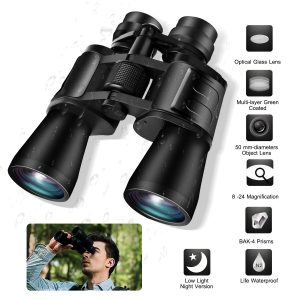
Night birdwatchingrequires special binoculars. These binoculars should have good low-light performance. Look for binoculars with large objective lenses. These lenses let in more light. Multi-coated lensesreduce glare and improve clarity. Adjustable eyecupshelp glasses wearers. Also, check for comfortable gripand easy focusing.
Binoculars have different magnification levels. Choose 8x to 10x magnificationfor a clear view. Higher magnification can make images shaky. Larger lenses, like 50mm, are better for night viewing. They gather more light for better images.
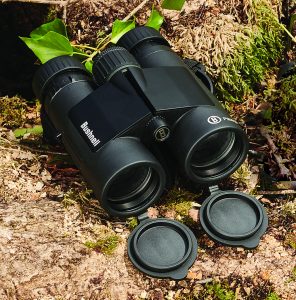
Birdwatching can happen in various weather. Choose binoculars with strong weather resistance. Look for models labeled as waterproofor fog proof. Ensure they have a rugged bodyto handle falls. Check for rubber armorfor added grip.
Preparing For Night Birdwatching
Choose a location away from city lights for the best night views. Quiet parks or nature reserves work well. Clear skies improve visibility, so check the weather forecast.
Plan your outing around the moon phases. Bright moonlight helps you see birds better. New moon nights are darker but can reveal different species.
- Carry a flashlight with a red filter to protect night vision.
- Wear comfortable shoes and warm clothes.
- Tell someone your plans and expected return time.
- Stay on marked paths to avoid accidents.
- Keep noise low to avoid disturbing wildlife.
Adjusting Your Zoom Binoculars
Adjust the focus ring slowly to get a clear image. Night birdwatching needs careful focus because light is low. Use the zoom function to bring birds closer, but avoid high zoom levels that blur the view. Start with a low zoom and increase gently.
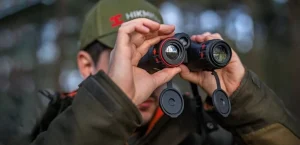
Keep both eyes open to reduce strain. Hold binoculars steady by resting your elbows on a solid surface or using a tripod. A steady view helps spot birds easier in the dark.
- Turn focus ring until the bird looks sharp.
- Zoom slowly from low to medium level.
- Hold binoculars with both hands.
- Use elbows or tripod to keep still.

Credit: www.amazon.com
Enhancing Visibility At Night
Infraredor night vision accessorieshelp see birds clearly in the dark. These tools capture light invisible to the eye. They show details that normal binoculars miss. Attach these accessories to your zoom binoculars for better night views.
Using ambient lightis key. Moonlight or street lights can help you spot birds. Avoid areas with too much light, which can blind your eyes. Find places with soft, steady light for best results.
Glareand reflectionscan block your view. To avoid this:
- Use a lens hood to reduce glare
- Keep binocular lenses clean and dry
- Adjust your angle to avoid light bouncing back
- Wear dark clothing to reduce reflections
Identifying Night Birds
Night birdwatching requires patience and sharp observation skills. Common species to spot include owls, nightjars, and nighthawks. These birds have unique shapes and silent flight patterns. Listening carefully helps too. Recognizing calls like hoots, chirps, or whistles guides you to their location.
Watching movements is key. Many night birds move slowly or stay still to avoid predators. Some fly low near trees or open fields. Others perch quietly on branches. Learning their behavior after dark improves your chances of spotting them.
| Species | Call Type | Behavior |
|---|---|---|
| Owl | Hooting | Silent flight, perches high |
| Nightjar | Churring | Camouflages on ground, slow wing beats |
| Nighthawk | Peent calls | Flies low, catches insects midair |
Caring For Your Binoculars
Use a soft cloth or lens brush to clean the lenses. Avoid using paper towels or tissues. These can scratch the glass. Use lens cleaner or a little water to remove dirt. Never spray cleaner directly on lenses. Spray it on the cloth first.
Store binoculars in a dry place. Use the carrying case to protect from dust and moisture. Keep them away from direct sunlight or heat. Avoid leaving binoculars in a car or damp area.
| Maintenance Task | Frequency | Details |
|---|---|---|
| Check for dust and dirt | Before each use | Use a soft brush or blower to clean exterior |
| Inspect lenses | Weekly | Look for scratches or smudges, clean gently |
| Tighten screws and parts | Monthly | Ensure binoculars are secure and stable |
| Store with silica gel packs | After night use | Keep moisture out to prevent mold |

Credit: www.amazon.com
Frequently Asked Questions
What Makes Zoom Binoculars Ideal For Night Birdwatching?
Zoom binoculars offer adjustable magnification, allowing clear views in low light. Their enhanced lenses gather more light, improving visibility of nocturnal birds. This versatility helps birdwatchers spot and identify species effectively during nighttime outings.
How Do I Adjust Zoom Binoculars For Night Use?
Start with a low magnification to capture a wide view. Gradually increase zoom to focus on specific birds without losing brightness. Proper adjustment ensures clear, stable images in dim conditions, enhancing your night birdwatching experience.
Can Zoom Binoculars Replace Night Vision Devices?
Zoom binoculars improve low-light viewing but lack infrared capabilities of night vision devices. They are more affordable and easier to use but may not reveal details invisible to the naked eye at night.
What Features Should I Look For In Night Birdwatching Binoculars?
Choose binoculars with large objective lenses for better light capture. Look for high-quality prisms and coatings to enhance brightness and contrast. Waterproof and fog-resistant models ensure durability in outdoor conditions.
Conclusion
Zoom binoculars help you see birds clearly at night. Adjust the focus slowly to get a sharp view. Use a steady hand or a tripod to keep the image stable. Choose a quiet spot to avoid scaring the birds away.
Practice often to get better at night birdwatching. Enjoy the calm and mystery of watching birds in the dark. Night birdwatching with zoom binoculars can be a fun and peaceful hobby. Keep exploring and observing nature’s night life.