Have you ever wanted to explore the night sky but didn’t have a telescope? What if you could use your wildlife binoculars for star gazing instead?
It might sound surprising, but with the right tips, your binoculars can reveal stunning views of the stars, planets, and even distant galaxies. In this guide, you’ll learn simple steps to turn your wildlife binoculars into a powerful tool for night sky exploration.
Get ready to discover how easy and exciting star gazing can be with what you already have in your hands!

Credit: www.facebook.com
Choosing The Right Wildlife Binoculars
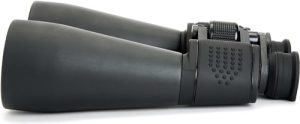
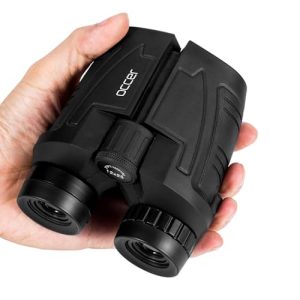
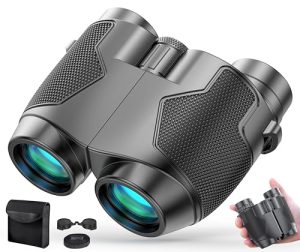
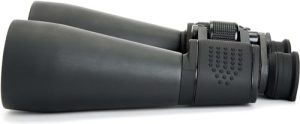
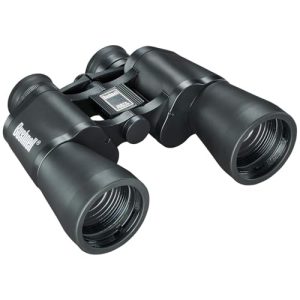
Choosing wildlife binoculars with good magnification and clear lenses helps see stars better. Adjust focus slowly to get sharp, bright views of the night sky. A steady hold or tripod improves stability for star gazing using binoculars.
Key Features For Stargazing
- Magnificationis important. Higher magnification shows more stars.
- Lens sizematters. Bigger lenses collect more light.
Magnification And Lens Size
Magnification helps you see distant stars. Good binoculars have 8x to 10x magnification. Lens size shows how much light binoculars collect. Bigger lenses are better for stargazing. Look for lenses 40mm to 50mm in size.
Durability And Weather Resistance
Binoculars should be durable. Look for strong materials. Weather resistance is important. Choose binoculars that are waterproof. You can use them even in rain. Protects against dust too. Your binoculars will last longer.
Credit: www.livescience.com
Preparing For Nighttime Viewing
Choose a dark locationaway from city lights. This helps you see stars clearly. Parks, countryside, or hills work well. Avoid places with street lamps or bright buildings nearby.
Check the weather forecastbefore going out. Clear skies are best for star gazing. Clouds and rain block your view. Calm winds make it easier to keep binoculars steady.
Reduce light pollutionby turning off nearby lights. Use a red flashlight to keep your eyes adjusted to darkness. Avoid using your phone screen or bright lights while watching the stars.
Adjusting Your Binoculars
Adjusting your binoculars properly helps you see stars clearly. Start by setting the eyecupsto fit your eyes. This blocks extra light and gives a sharp view.
Focus each eyepiece slowly until the image looks clear. Use the central focus wheelto adjust both eyes together. Then, use the diopter adjustmentto fine-tune one eyepiece. This balances any difference between your eyes.
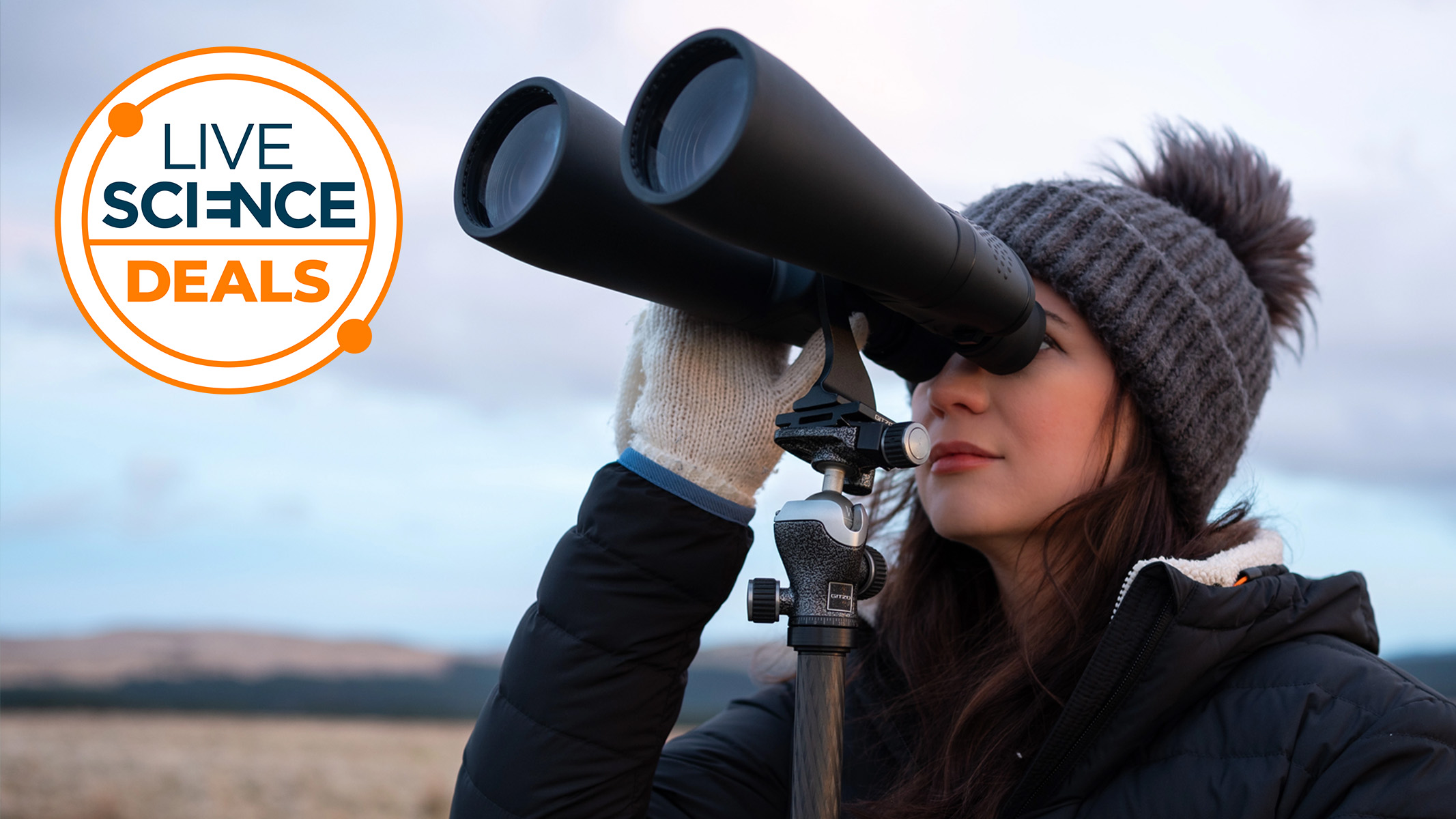
Keeping the binoculars steady is key. Hold them close to your face with both hands. Lean against a steady surface or use a tripod to stop shaking. Even small movements blur the stars.
- Set eyecups to block stray light
- Use central focus wheel for general clarity
- Adjust diopter for eye differences
- Hold binoculars firmly with both hands
- Use a tripod or steady surface for stability
Identifying Celestial Objects
Use wildlife binoculars to see the moon’s cratersand surface details clearly. Planets like Venus and Jupiter look like bright spots, not stars. They don’t twinkle. This helps to spot them easily.
Constellations are groups of stars forming shapes. Use binoculars to find brighter stars in these shapes. Start with easy-to-spot constellations like Orion or the Big Dipper. This helps learn the night sky.
- Satellites move steadily across the sky. They don’t blink like stars.
- Meteors, or shooting stars, flash quickly and then vanish.
- Binoculars can help track slow satellites, but meteors are too fast.
Enhancing Your Stargazing Experience
Using star mapsand mobile appshelps find stars and constellations easily. Star maps show the sky layout for each season. Apps can guide you in real-time with your binoculars. They often include details about star names and their positions.
Recording your observations can improve your stargazing skills. Keep a notebookor use an app to write down what you see. Note the date, time, and weather conditions. This helps track changes in the sky and remember favorite stars.
Joining stargazing communities connects you with others who share your interest. Groups often share tips and organize events. Learning from others can make stargazing more fun and rewarding.
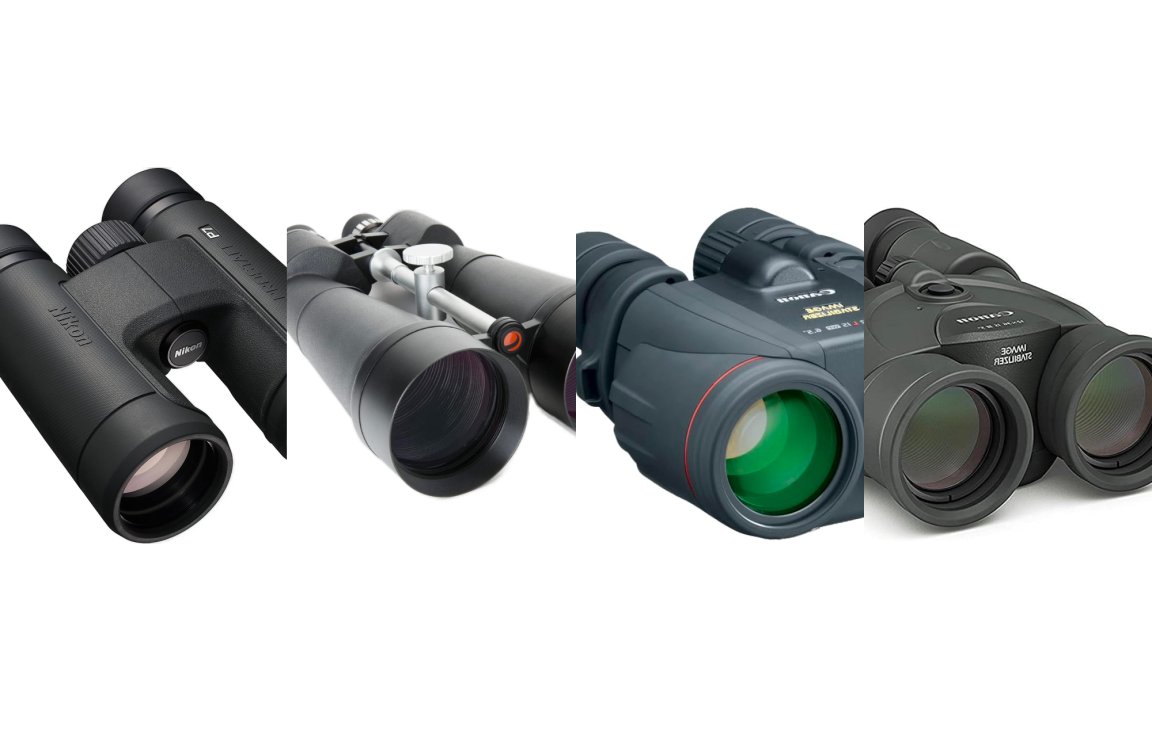
Credit: www.popsci.com
Frequently Asked Questions
Can Wildlife Binoculars Be Used For Star Gazing?
Yes, wildlife binoculars can be used for star gazing. Their magnification helps view stars and constellations clearly. However, they have a narrower field of view than telescopes.
What Magnification Is Ideal For Star Gazing With Binoculars?
A magnification of 7x to 10x is ideal for star gazing. This range balances clarity and stability, making it easier to track celestial objects.
How To Stabilize Wildlife Binoculars For Clear Star Views?
Use a tripod or rest binoculars on a steady surface. This reduces hand shake and improves the clarity of distant stars during observation.
Are Waterproof Binoculars Better For Night Sky Observation?
Waterproof binoculars protect against dew and moisture during night use. They ensure clear vision and durability in varying weather conditions for star gazing.
Conclusion
Wildlife binoculars work well for star gazing with clear skies. Adjust the focus slowly to see stars sharply. Hold the binoculars steady to avoid blurry views. Find a dark spot away from city lights. Take your time and enjoy the quiet night.
Stars look brighter and closer through binocular lenses. Practice often to improve your star gazing skills. Night sky watching becomes fun with simple tools. Give it a try and explore the universe above.