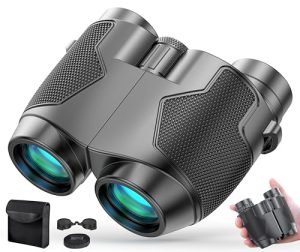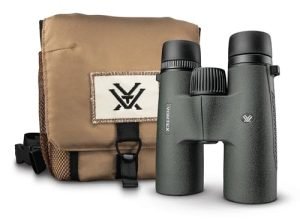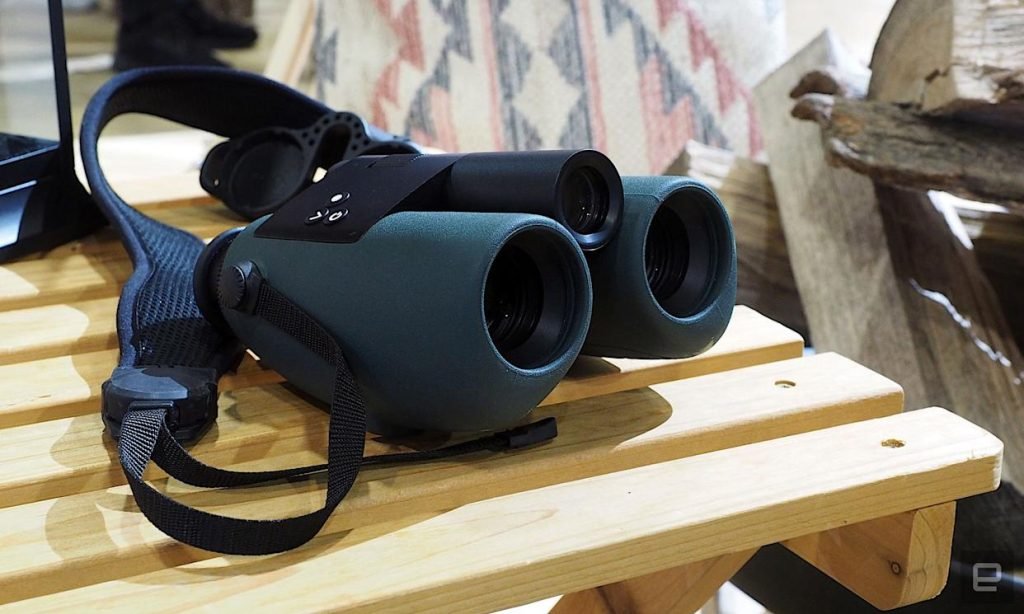
Have you ever spotted a bird that caught your eye but struggled to get a closer look? Using wildlife binoculars for bird identification can change the way you experience nature.
With the right techniques, you’ll not only see birds more clearly but also learn to recognize their unique features faster. In this guide, you’ll discover simple steps to make the most of your binoculars, turning every birdwatching trip into an exciting adventure.
Ready to sharpen your skills and enjoy birdwatching like never before? Let’s dive in!
Choosing The Right Binoculars
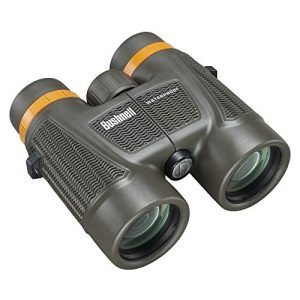
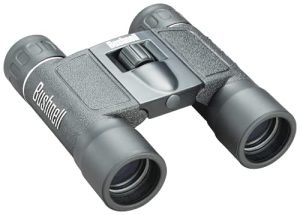
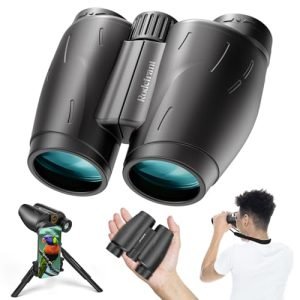
Choosing binoculars with the right magnification and lens size helps spot birds clearly. Holding them steady and adjusting focus sharpens details for easy identification. Practice improves your skills and makes bird watching more enjoyable.
Magnification And Lens Size
Binoculars with 8x to 10x magnificationare ideal for birding. Larger lenses let in more light. This helps you see birds clearly. Avoid too much magnification. It can make your view shaky.
Weight And Comfort
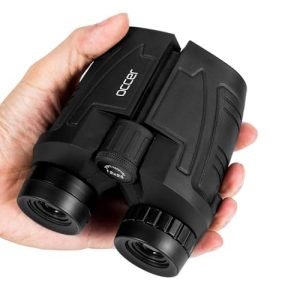
Lightweight binoculars are easier to hold. Heavy ones can make your arms tired. Look for ones with comfortable strapsor grips. This makes long birding sessions fun.
Durability And Weather Resistance
Choose binoculars that can withstand rain. Waterproof models are best for nature trips. Check for rubber armor. It protects them from drops. Durable binoculars last longer.

Credit: www.instagram.com
Preparing For Birdwatching
Choosing the right spot is key for successful birdwatching. Areas near water, trees, or fields often have many birds. Parks and nature reserves are great choices too. Quiet places help birds feel safe and show up more.
Early mornings or late afternoons are the best timesto watch birds. Birds are most active during these hours. The light is soft, making it easier to see colors and shapes. Avoid windy or rainy days as birds hide more then.
Wear comfortable clothes that match the weather. Use neutral colorslike brown, green, or gray to blend in with nature. Bring a hat and sunscreen for sun protection. Good shoes help when walking on trails or rough ground.
Adjusting Your Binoculars
The eye distanceor interpupillary distancemust match your eyes. Hold the binoculars and gently move the two barrels closer or farther. Adjust until you see a single clear circle through both eyes. This ensures comfortand a better view.
To focus, first look at a bird or object. Use the central focus wheelto make the image sharp. Turn it slowly until the bird looks clear and detailed. This helps see feathers and colors better.
Use the diopter adjustmentto fix differences between your eyes. Close your right eye and focus with the central wheel using your left eye. Then close your left eye and turn the diopter ring on the right side until the image is sharp. This makes both eyes see clearly.
Credit: extension.msstate.edu
Techniques For Spotting Birds
Start by slowly scanning the area using your binoculars. Move your eyes left to right and up and down. This helps catch birds hiding in branches or flying.
Track birds by following their flight path with steady binoculars. Keep your hands steady for a clear view. Pause occasionally to focus on details like color or shape.
| Landmark | Use |
|---|---|
| Tall trees | Help find spots where birds rest or build nests |
| Water bodies | Attract water birds and provide good observation points |
| Rocks and hills | Offer vantage points to spot flying birds from afar |
Identifying Birds With Binoculars
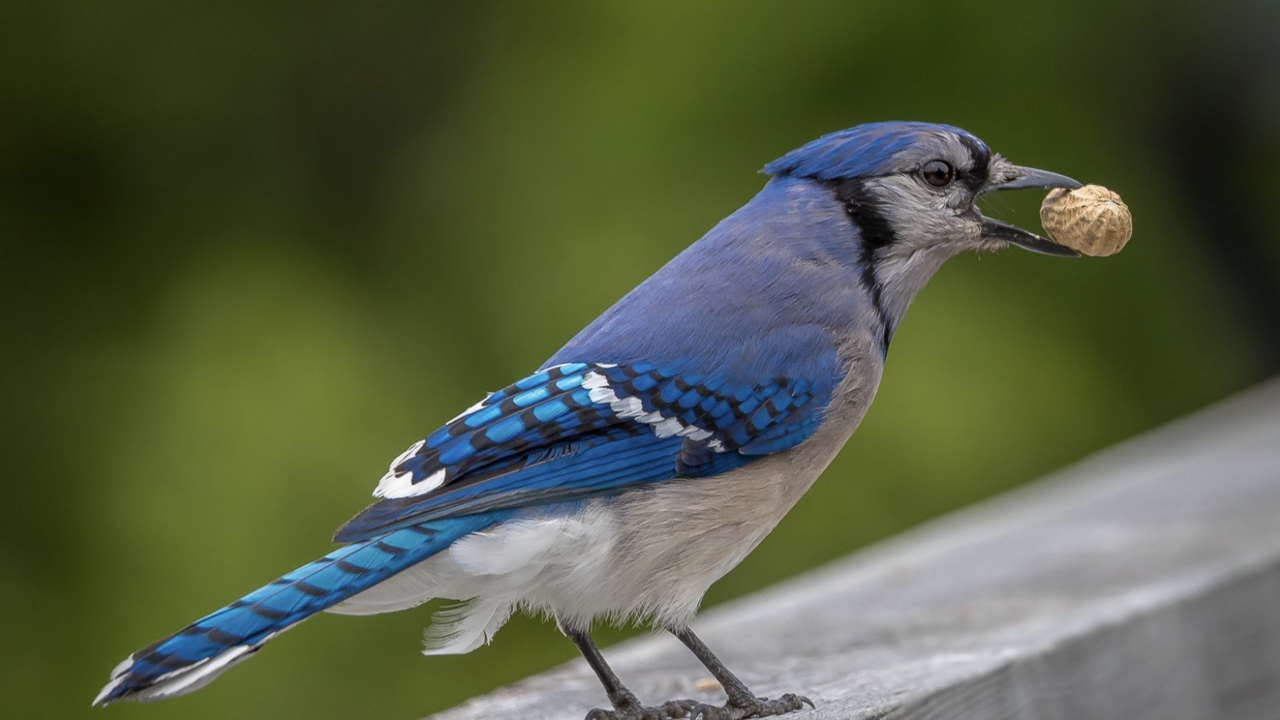
Color patternshelp spot different bird species. Look for bright or dull colors on wings, head, and tail. Some birds have unique marks like stripes or spots. These details make identification easier.
Size and shapematter a lot. Notice if the bird is small, medium, or large. Shape of the beak, tail, and body helps too. Long beaks often mean the bird eats nectar. Round bodies might mean it stores fat for cold weather.
Bird calls also give clues. Each bird has a special sound. Listen carefully to different chirps, whistles, or songs. Try to match sounds with birds you see. This makes finding birds easier even if you can’t see them clearly.

Credit: www.youtube.com
Maintaining Your Binoculars
Cleaning lensesis important for clear views. Use a soft brush or air blower to remove dust. Avoid touching lenses with fingers. Use a microfiber cloth for gentle wiping. Apply lens cleaner only on the cloth, not directly on lenses.
Store binoculars in a dry, cool place. Keep them in a protective case to avoid scratches. Avoid leaving them in direct sunlight or damp areas. Make sure they are fully dry before storing.
- Check lens caps and straps regularly for damage.
- Tighten loose screws carefully.
- Keep binoculars away from strong chemicals.
- Inspect for fogging inside lenses after use in rain.
- Take them to a professional for deep cleaning once a year.
Frequently Asked Questions
What Are The Best Wildlife Binoculars For Bird Watching?
The best wildlife binoculars offer clear, bright images with good magnification and a wide field of view. Look for 8×42 or 10×42 models, which balance zoom and stability. Waterproof and fog-proof features are also essential for outdoor birding.
How Do I Focus Wildlife Binoculars Correctly?
To focus wildlife binoculars, first adjust the central focus wheel until the image is clear. Then, use the diopter ring on one eyepiece to fine-tune focus for your eyes. This ensures sharp, detailed views crucial for bird identification.
Can Binoculars Help Identify Birds From A Distance?
Yes, binoculars enhance distant bird views, revealing colors, patterns, and behaviors. This clarity helps distinguish species, even from far away. Using binoculars reduces eye strain and improves observation accuracy in diverse environments.
How Do I Hold Binoculars For Steady Bird Watching?
Hold binoculars with both hands and keep elbows close to your body for stability. Rest your arms on a solid surface if possible. This grip reduces shaking and provides a steady view, essential for clear bird identification.
Conclusion
Using wildlife binoculars helps you see birds clearly from far away. Practice focusing and adjusting your binoculars for the best view. Take your time to watch bird colors, shapes, and movements closely. Keep a bird guide or app handy to compare and identify species.
Enjoy the quiet moments and learn about nature around you. With patience and the right tools, bird watching becomes more fun and rewarding. Remember, every bird you spot is a small victory in your outdoor adventure. Happy bird watching!