Have you ever been caught in heavy rain while trying to enjoy nature through your binoculars, only to worry about water damage or losing a clear view? If you want to keep your binoculars safe and your vision sharp no matter the weather, this guide is for you.
You’ll learn simple, practical tips to use your waterproof binoculars confidently in heavy rain. By the end, you’ll feel ready to explore outdoors without letting bad weather hold you back. Keep reading to discover how to protect your gear and get the best viewing experience, rain or shine.

Credit: www.amazon.com
Choosing The Right Binoculars
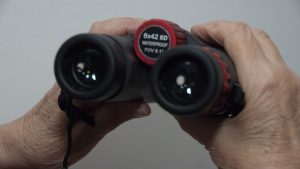
Waterproof binoculars stay clear and dry during heavy rain, ensuring a good view. Hold them steady and use the lens covers when not in use to protect them further. Wiping lenses gently helps keep your sight sharp in wet conditions.
Waterproof Ratings To Know
Binoculars need a good waterproof rating. Look for ratings like IPX7 or IPX8. These ratings mean they can handle rain. IPX7 means the binoculars can be submerged in water. IPX8 is better for deeper water. Check the product details for these ratings.
Lens Coatings For Clarity
Lens coatings are important for clear views. Multi-coated lenses reduce glare and improve clarity. Anti-reflective coatings help see details better. These coatings are essential during rain. They help light pass through the lenses. This makes your view clearer even in wet weather.
Durability Features
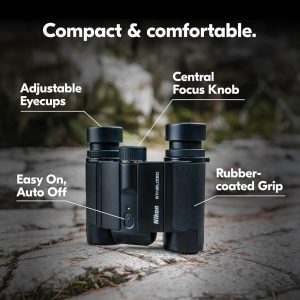
Durability is key for heavy rain use. Look for rubber armor on binoculars. This protects them from drops. Fog-proof designs are useful. They prevent internal fogging. Water-resistant seals keep water out. These features ensure your binoculars last longer in rough conditions.

Credit: explorescientific.com
Preparing Binoculars Before Use
Check binoculars’ seals and O-ringsbefore using in heavy rain. Make sure they are intactand not cracked. These parts keep water from entering the device.
Use protective coversto shield binoculars from raindrops. Covers also prevent dust and dirt from sticking. A snug cover helps keep the lenses clear.
Adjust the focus and settingsbefore stepping outside. Wet lenses can blur vision, so set focus carefully. Test adjustments under dry conditions first for best results.
Techniques For Using In Heavy Rain
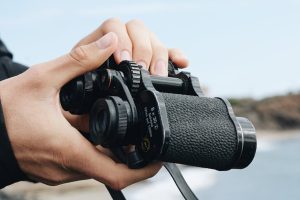
Hold binocularsfirmly to avoid slipping in heavy rain. Keep them close to your eyes for clear vision. Tilt the binoculars slightly downward to prevent rainwater from pooling on the lenses.
Use a soft cloth or lens wipe to clear fog and water drops. Avoid touching lenses with dirty or wet hands. If fog appears inside, open the binoculars to dry them out when safe.
- Use straps or harnessesto keep binoculars secure.
- Wear the strap around your neck or chest for easy access.
- Adjust strap length to reduce swinging and damage risk.
- Keep binoculars covered with a rain-resistant case when not in use.
Maintenance After Exposure
Cleaning and dryingyour waterproof binoculars after heavy rain is very important. Use a soft cloth to wipe away dirt and water. Avoid using harsh chemicals that can damage the lens or body. Dry the binoculars with a clean, dry cloth. Leave them in a well-ventilated area to air dry completely. Never use a hairdryer or heat source as it can harm the seals.
Check your binoculars carefully for any signs of water damage. Look for fogging inside the lenses or sticky parts. Test the focus and movement to make sure everything works well. If you notice any problems, take the binoculars to a professional for repair. Early care can stop bigger damage.
| Storage Tips |
|---|
|
Additional Accessories To Consider
Rain guardshelp keep water off the lenses. They fit over the binoculars’ eyepieces. Lens capsprotect the lenses when not in use. Both prevent water spots and scratches.
Anti-fog solutionsstop lenses from fogging in wet weather. Spray or wipe these on lenses before use. They keep vision clear during heavy rain.
Protective carrying casesshield binoculars from rain and dirt. Look for cases made of waterproof material. Soft or hard cases offer extra protection on the go.
| Accessory | Purpose | Benefit |
|---|---|---|
| Rain Guards | Cover eyepieces | Keep water off lenses |
| Lens Caps | Cover lenses when stored | Prevent scratches and dirt |
| Anti-Fog Solutions | Apply on lenses | Stop lens fogging in rain |
| Carrying Cases | Store binoculars safely | Protect from rain and damage |

Credit: www.instagram.com
Frequently Asked Questions
How Do Waterproof Binoculars Work In Heavy Rain?
Waterproof binoculars have sealed joints and O-rings to prevent water entry. They use special coatings to resist fogging, ensuring clear vision during heavy rain.
Can I Use Waterproof Binoculars Underwater?
Most waterproof binoculars can handle splashes and rain but are not designed for full submersion. Check the IP rating for underwater use.
How To Maintain Waterproof Binoculars After Rain Exposure?
After use in rain, wipe binoculars with a dry cloth. Store them in a dry, ventilated case to prevent mold and damage.
Are All Binoculars Waterproof For Heavy Rain?
No, not all binoculars are waterproof. Only models labeled as waterproof or weather-resistant can withstand heavy rain without damage.
Conclusion
Using waterproof binoculars in heavy rain keeps your view clear and sharp. Always secure the straps to avoid drops. Wipe lenses gently with a soft cloth to remove water drops. Avoid opening the binoculars during rain to protect the inside.
Choose models with good seals and sturdy build for best results. Enjoy nature’s beauty without worry, rain or shine. Stay safe and keep your gear dry for longer use. Simple care helps your binoculars last through many adventures. Ready to explore even in wet weather?