Are you ready to see bird migration like never before? Using waterproof binoculars can change the way you watch these amazing travelers.
Whether you’re a beginner or an experienced birdwatcher, your gear matters. With the right tips, you can spot more birds clearly, even in wet or foggy conditions. Keep reading to discover how to use waterproof binoculars to make every bird migration season unforgettable.
Your next great birdwatching adventure starts here!
Choosing Waterproof Binoculars
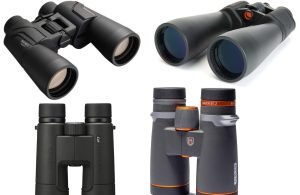
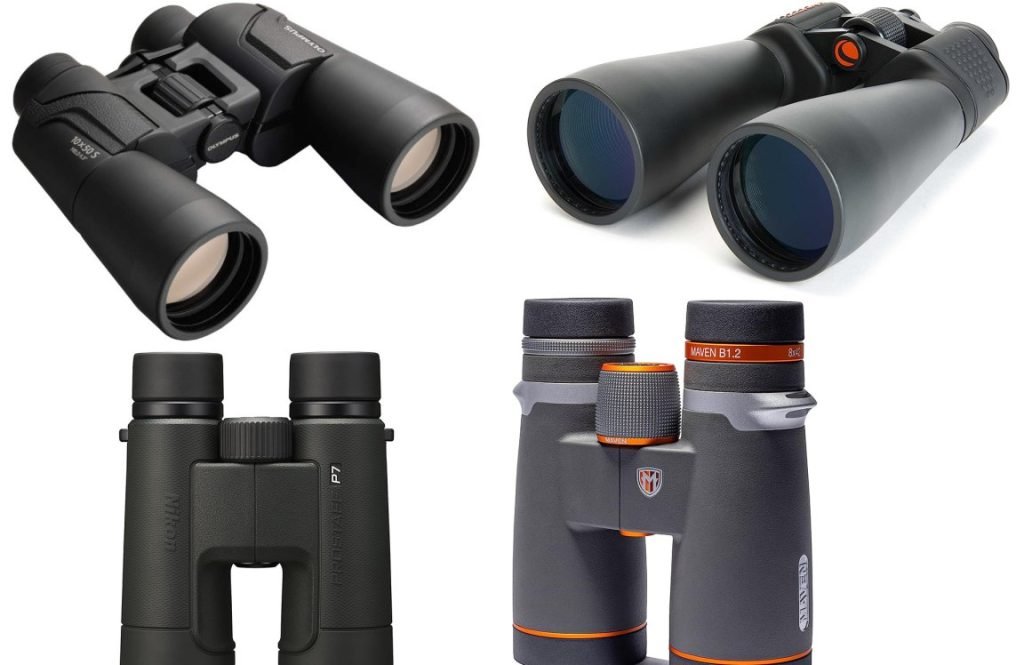
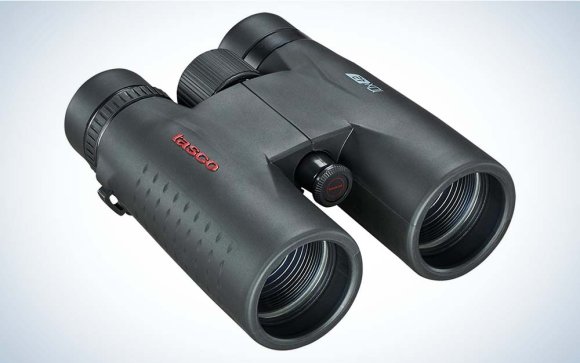
Waterproof binoculars are great for bird migration. They keep water out. Look for models with durable rubber armor. This protects against bumps and scratches. Choose multi-coated lenses for clear views. Fog-proof designs are important. They stop moisture inside. Lightweight binoculars are easier to carry. Good grip is also helpful. Check for adjustable eyecups. These fit all users.
| Model | Feature |
|---|---|
| Nikon Monarch | Excellent clarity, waterproof |
| Vortex Diamondback | Lightweight, fog-proof |
| Leica Trinovid | Durable, multi-coated lenses |
Cheap binoculars might break easily. High-quality models last longer. They often have better features. Spending more can be smart. Consider durability and lens quality. Budget options might lack clarity. Quality binoculars offer clear images. They help in spotting birds. Invest wisely for a better experience.
Credit: www.popsci.com
Preparing For Bird Migration Observation
Bird migrationhappens mostly during early morningand late afternoon. Choose spots near water bodies, forests, or open fieldsfor better views. Locations with clear views of the sky help spot birds easily.
Check the weather forecast. Avoid days with heavy rainor strong winds. Light clouds and mild wind make birdwatching comfortable. Waterproof binoculars protect your gear during unexpected rain.
- Waterproof binocularsto keep lenses dry.
- Notebookand pento record sightings.
- Camerafor photos.
- Comfortable clothingsuitable for weather.
- Snacksand water bottlefor long trips.
Using Binoculars Effectively
Adjust the focus of your binoculars slowly until the image is sharp. Twist the central wheel gently for clear views. Eyecups help block light and protect your eyes. Push them in if you wear glasses, pull them out if you don’t.
Keep your hands steady for stable viewing. Rest elbows on a solid surface or hold binoculars close to your face. Use both hands to balance the binoculars. A tripod can help if you plan long watching sessions.
Spot birds by scanning the sky in small sections. Follow birds with smooth, slow movements. Watch for sudden changes in direction or speed. Practice helps you track birds more easily and enjoy the show.

Credit: sam-mexico.com.mx
Maintaining Waterproof Binoculars
Cleaning waterproof binoculars keeps them clear and working well. Use a soft cloth to wipe dirt and dust gently. Avoid using harsh chemicals or rough materials. If lenses get wet, dry them with a clean microfiber cloth.
Store binoculars in a dry, cool place. Keep them in their case to protect from dust and scratches. Avoid leaving them in direct sunlight or hot places for long times.
To stop moisture and fogging inside lenses, open them in dry air after use. Use anti-fog wipes or sprays made for optics. Never breathe directly on lenses to clear fog.
Enhancing Your Birdwatching Experience
Using waterproof binocularshelps you watch birds clearly during wet weather. These binoculars keep your view sharp and your gear safe from rain or splashes.
Keep a small notebook or use your phone to record bird sightings. Note the bird type, time, and place. This helps track migration patterns and remember special moments.
- Join local or online birdwatching communities.
- Share your sightings and learn from others.
- Ask questions and get tips from experienced birdwatchers.
Several apps and technologytools can help identify birds by sight or sound. Use apps to log your sightings quickly and explore maps of migration routes.

Credit: www.amazon.com
Frequently Asked Questions
What Makes Waterproof Binoculars Ideal For Bird Migration?
Waterproof binoculars resist moisture and fog, ensuring clear views in wet conditions. They protect lenses during rain or dew, vital for bird migration observation. Their durability and fog-proof features help birdwatchers maintain consistent visibility outdoors.
How To Properly Clean Waterproof Binoculars After Use?
Use a soft, damp cloth to wipe the lenses gently. Avoid harsh chemicals or abrasive materials. Dry binoculars thoroughly before storage to prevent mold. Proper cleaning preserves lens clarity and maintains waterproof seals for longevity.
Can Waterproof Binoculars Improve Bird Identification Accuracy?
Yes, waterproof binoculars offer clear, sharp images even in humid or rainy weather. This clarity helps spot subtle bird features, improving identification during migration. Their reliability ensures consistent performance, crucial for precise birdwatching.
What Features To Check In Waterproof Binoculars For Migration?
Look for fog-proof lenses, durable construction, and good magnification (8x or 10x). Lightweight design aids long observation sessions. A wide field of view helps track fast-moving birds during migration efficiently.
Conclusion
Using waterproof binoculars makes bird migration watching easier and more fun. They protect your view in rain or mist. Always keep them clean and dry after use. Choose a pair that fits your hands well. Stay patient and enjoy nature’s show.
With practice, spotting birds becomes simple and exciting. Remember, clear vision helps you see details better. Keep exploring and learning about different birds each season. Your outdoor experience will improve with the right tools. Happy bird watching!