Have you ever struggled to see clearly when using your binoculars in dim light? Whether you’re watching wildlife at dusk or keeping an eye on your property after sunset, low light can make things tricky.
But what if you could sharpen your vision and catch every detail, even when the sun goes down? You’ll discover simple, effective ways to use surveillance binoculars in low light. By the time you finish reading, you’ll feel confident and ready to see what others miss when darkness falls.
Keep reading to unlock these easy tips and improve your night vision today.
Choosing The Right Binoculars
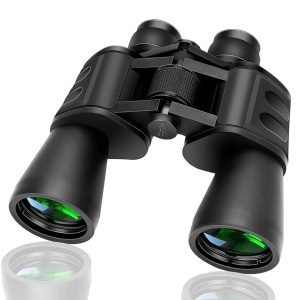
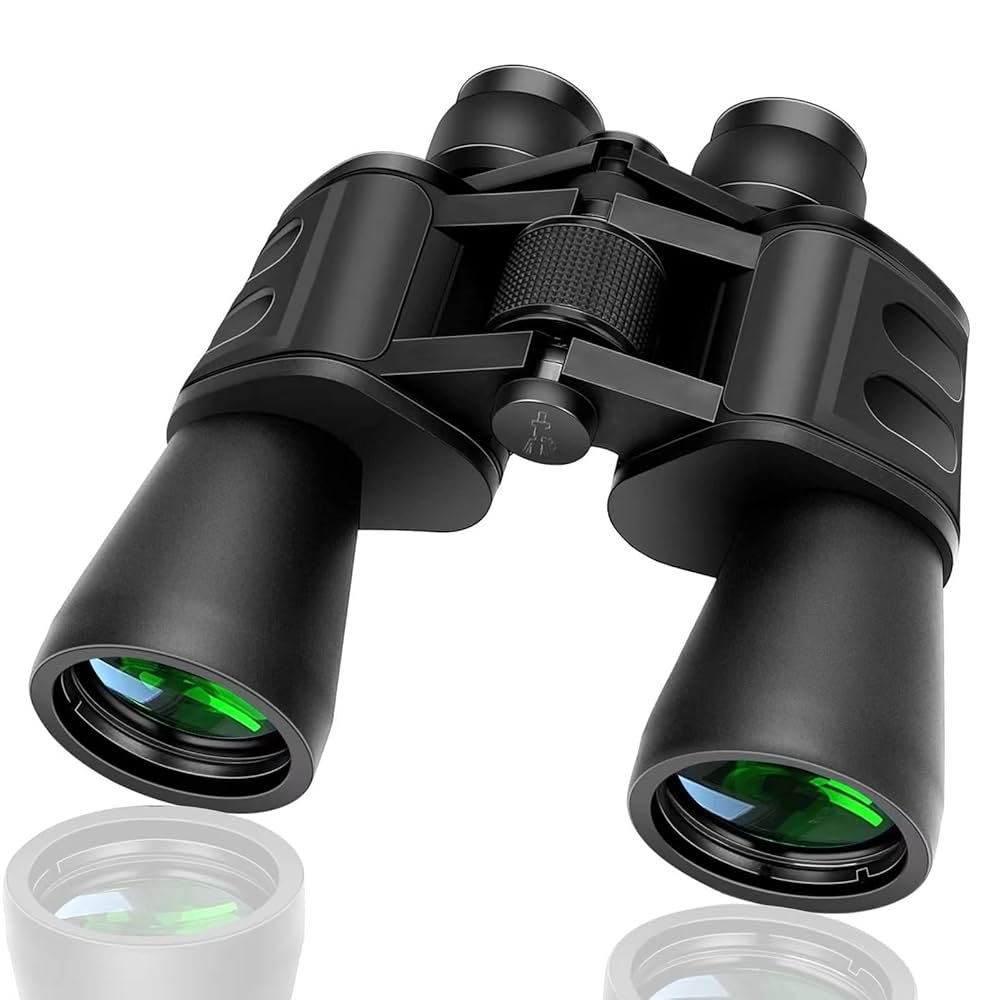
Lens sizeaffects how much light enters the binoculars. Bigger lenses gather more light, making images clearer in low light. Coatingson lenses help reduce glare and improve brightness. Look for binoculars with fully multi-coated lenses for better night views.
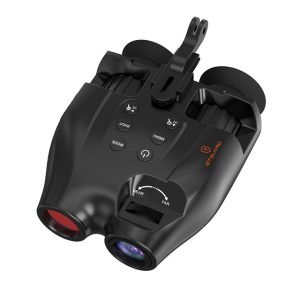
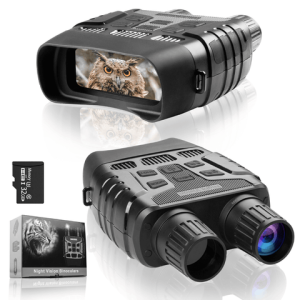
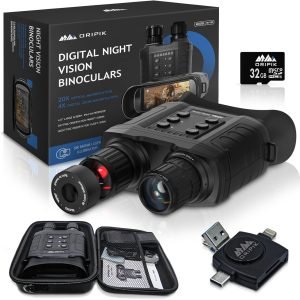
Night vision binoculars use special technology to see in total darkness. Low light binoculars enhance natural light but don’t work in complete darkness. Choose based on your needs and environment.
| Feature | Effect |
|---|---|
| Magnification | Higher magnification shows distant objects closer but narrows view |
| Field of View | Wider field helps see more area but may reduce image detail |
Balance magnification and field of view for the best experience. Too much zoom makes it hard to keep steady. A wider view helps spot moving targets quickly.
Preparing For Low Light Conditions
Adjust your eyes to the dark before using the binoculars. Spend 10-15 minutes in low light to let your eyes adjust. Avoid looking at bright lights, which can hurt night vision. Use the binoculars’ focus and diopter settings to get a clear view. This helps see details better in the dark.
Tripods give steady support to binoculars, reducing hand shake. A steady image is easier to watch for long times. Choose a tripod that fits your binoculars well. Make sure it is strong and stable on the ground. This helps keep the view sharp in low light.
| Cleaning Tip | Maintenance Tip |
|---|---|
| Use a soft cloth to wipe lenses gently. | Store binoculars in a dry place to avoid moisture. |
| Remove dust with a small brush or air blower. | Check screws and tighten them if needed. |
| Avoid touching lenses with fingers to prevent smudges. | Use lens covers when binoculars are not in use. |
Techniques For Effective Observation
Adapting to darkness means letting your eyes adjust naturally. Avoid bright lights before using binoculars. Use a red flashlight to keep night vision intact. Keep movements slow and steady to avoid startling what you observe.
Scanning strategies help cover large areas without missing details. Move your binoculars smoothly from side to side. Pause briefly on each spot to catch subtle movements. Try scanning in a grid pattern for better coverage.
Reducing glare and reflections improves clarity. Use lens hoods or shields to block stray light. Avoid shining lights directly on the lenses. Clean lenses regularly to remove dust and smudges. Wearing dark clothing helps reduce reflection on the binoculars.

Credit: www.amazon.com
Enhancing Performance With Accessories
Using surveillance binoculars with built-in night vision improves visibility in low light. Adjust the focus slowly for clear images. Pairing with infrared illuminators can boost performance further.
Using Infrared Illuminators
Infrared illuminators help to see in the dark. They are great for night vision. Attach them to your binoculars. They make images clearer. Use adjustable settings for better brightness. This helps in different lighting conditions. Keep extra batteries handy.
Attaching External Lights
External lights provide extra brightness. They help you see far away objects. Attach them to your binoculars securely. Choose lights with adjustable beams. This lets you focus on specific areas. Check battery levels before use.
Protective Gear For Night Use
Protective gear keeps binoculars safe. Use covers to shield them from dust. Gloves help hold binoculars steady. They keep your hands warm too. Wear hats to shield from rain. Protect your eyes from bright lights.
Safety And Legal Considerations
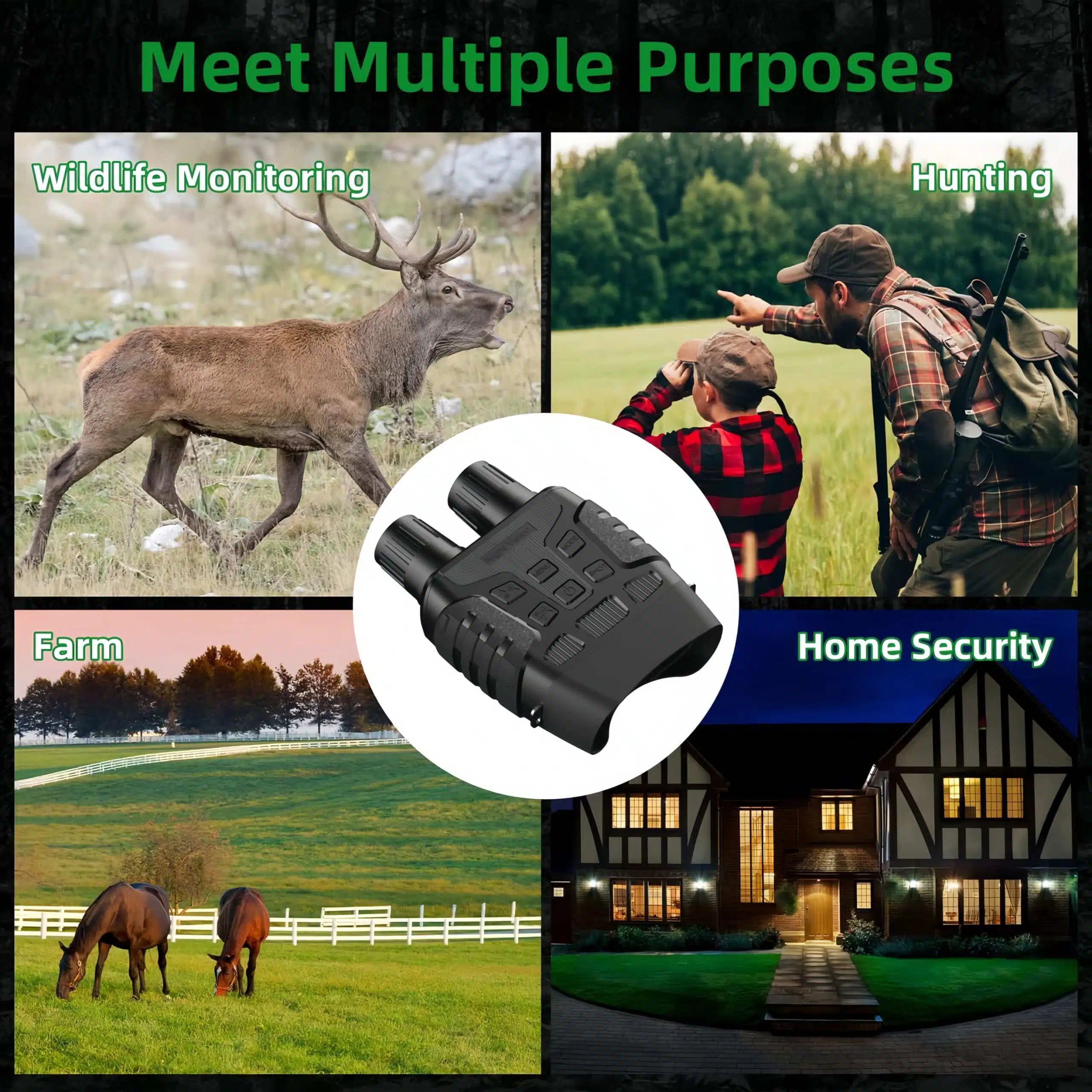
Respecting privacy lawsis very important when using surveillance binoculars. Always check local rules about where and how you can watch others. Avoid looking into private areas like homes or backyards. Use binoculars only for legal purposes such as wildlife observation or security checks.
Personal safety matters a lot. Hold your binoculars steady and avoid standing in dangerous places. Wear comfortable clothes and stay aware of your surroundings. Don’t use binoculars while walking in busy or risky areas to prevent accidents.
Practice responsible surveillance by keeping your activities honest and respectful. Never share or publish images without permission. Use the binoculars only for safety or legal monitoring. Be mindful of others’ feelings and privacy at all times.
Credit: www.usnighthawk.com

Credit: www.x20.org
Frequently Asked Questions
What Makes Binoculars Suitable For Low Light Use?
Binoculars with larger objective lenses and higher light-gathering ability work best in low light. They enhance brightness and clarity, making distant objects visible during dawn or dusk. Features like multi-coated lenses and night vision technology also improve performance in dim conditions.
How To Adjust Binoculars For Better Night Vision?
Adjust the focus carefully to sharpen images in low light. Use the diopter ring for eye differences. Keep lenses clean and avoid direct light exposure. A steady hold or tripod reduces shaking, improving image stability and visibility in dark environments.
Can I Use Infrared With Surveillance Binoculars?
Yes, many surveillance binoculars include infrared (IR) for night vision. IR illuminates dark scenes without visible light, allowing clear viewing. These binoculars are ideal for security, wildlife observation, and nighttime surveillance where natural light is insufficient.
How To Maintain Binoculars For Optimal Low Light Use?
Keep lenses clean using a soft cloth and lens cleaner. Store binoculars in a dry, dust-free case. Avoid touching lenses with fingers. Regularly check for damages or loose parts to ensure the best performance in low light conditions.
Conclusion
Using surveillance binoculars in low light takes practice and patience. Adjust the focus slowly for the clearest view. Keep your hands steady to avoid shaking the image. Choose binoculars with good lenses for better night vision. Remember, light conditions can change quickly outside.
Stay alert and use your equipment wisely. With time, you will see more details even in dim light. These tips help you watch safely and clearly at night. Keep practicing to improve your skills every time you use them.