Have you ever struggled to keep your binoculars steady while trying to get a clear view? Shaky hands can blur the image and make it hard to enjoy the details you want to see.
That’s where image stabilized binoculars come in—they help reduce the shake, giving you a smoother, clearer view. But did you know you can take this clarity even further by using a tripod? You’ll discover simple, effective steps to combine your image stabilized binoculars with a tripod.
You’ll learn how to set up your gear so you can enjoy crisp, stable images every time. Keep reading, and you’ll never miss a detail again.

Credit: milkywaylounge.com
Choosing The Right Image Stabilized Binoculars
Choose binoculars with high-quality lenses. They should provide clear images. Look for strong image stabilization. This helps in reducing shakes. Binoculars should be comfortable to hold. Check for easy-to-use controls. Ensure they are weather-resistant. This protects them from rain. Consider their weight. Lighter binoculars are easier to carry.
| Model | Weight | Features |
|---|---|---|
| Model A | 1.5 lbs | Waterproof, strong stabilization |
| Model B | 2 lbs | Easy controls, clear lenses |
| Model C | 1.2 lbs | Lightweight, durable |

Credit: www.instagram.com
Selecting A Compatible Tripod
Choosing the right tripod is key for stable viewing. Heavy-duty tripodsoffer better support but can be less portable. Lightweight tripodsare easy to carry but may shake more. Tripod legs with rubber feetprovide better grip on slippery surfaces.
Mounting options vary. Most image stabilized binoculars use a standard 1/4-inch screw. Some need an adapter to fit the tripod. Using a quick-release platehelps attach and detach binoculars fast.
| Tripod Type | Stability | Portability | Best For |
|---|---|---|---|
| Heavy-Duty | High | Low | Long Viewing Sessions |
| Lightweight | Medium | High | Travel and Hiking |
| Tabletop | Low to Medium | High | Indoor Use |
Setting Up The Tripod And Binoculars
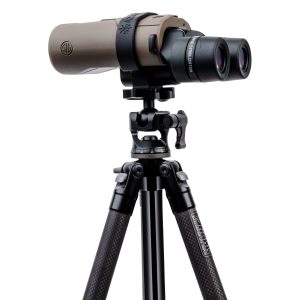
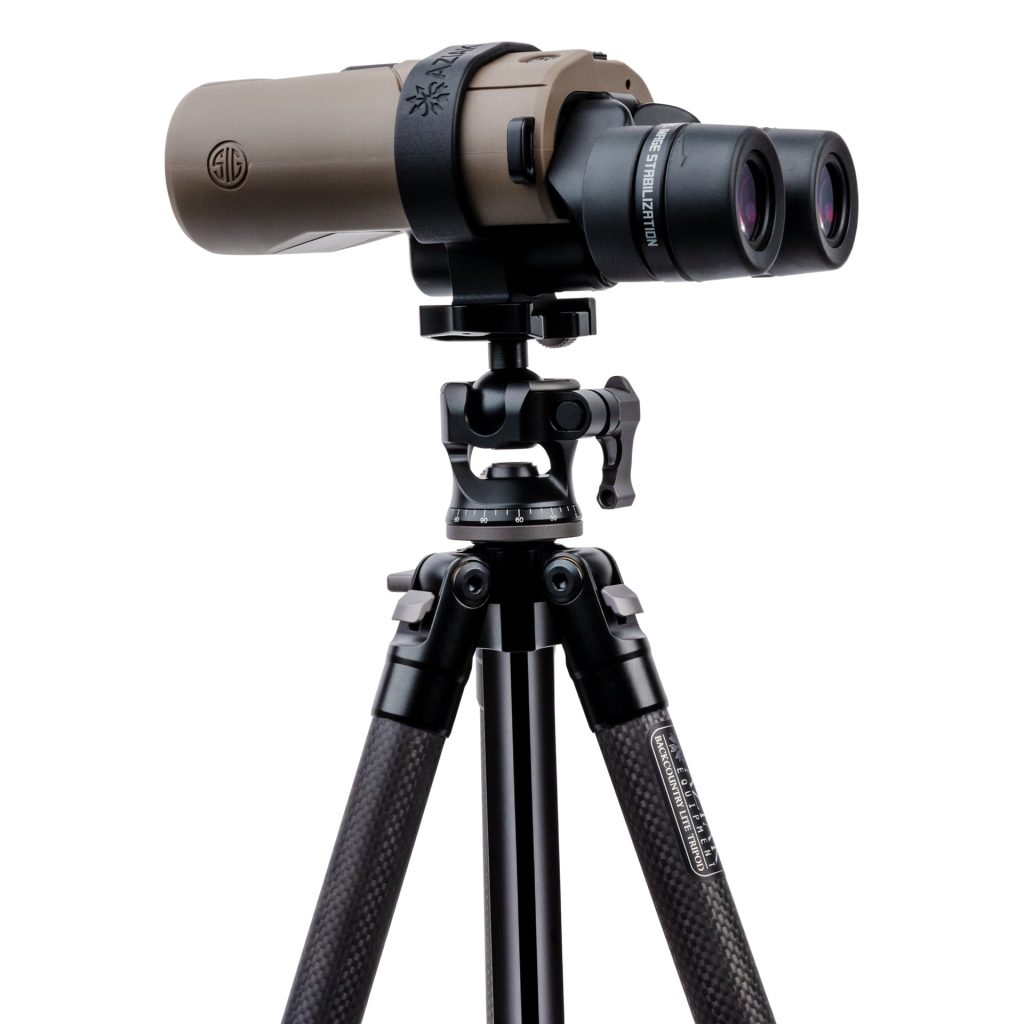
Attach the binoculars to the tripod using the mounting plate. Make sure it fits snuglyand does not wobble. Use the screw to tighten the binoculars in place securely. Check that the binoculars are firmly held before moving on.
Adjust the tripod height to a comfortable viewing level. Unlock the tripod legs and extend them evenly. Lock them back in place to keep the tripod stable.
Set the binoculars’ angle to match your eye level. Use the tripod head to tilt and swivel the binoculars smoothly. This helps you get the best view without straining your neck.
Optimizing Image Stabilization Settings
Adjusting image stabilization settings enhances clarity when using binoculars on a tripod. Fine-tune sensitivity to reduce vibrations without overcompensating. Proper balance ensures steady, sharp views for comfortable long-term observation.
Powering On And Calibration
Turn onthe binoculars gently to avoid shaking. Wait for the image stabilizationsystem to calibrate. This process helps the binoculars adjust to your movements. Keep the binoculars still during calibration for the best results.
Adjusting Stabilization Levels
Use the controls to set the stabilization level. Higher levels give more steady images but use more battery power. Lower levels save power but might show slight shaking. Adjust the settings based on the environmentand how steady your tripod is.
Techniques For Steady Viewing
Minimizing vibrationsis key to clear viewing with image stabilized binoculars. Use a sturdy tripodto hold the binoculars steady. Make sure the tripod legs are firmly placed on the ground. Avoid touching the binoculars directly; this can cause unwanted shaking.
Remote controls and timershelp reduce movement when observing. Using a remote control lets you operate binoculars without touching them. A timer can delay the start of viewing, giving the tripod time to settle. This way, the images appear sharper and less blurry.

Credit: www.instagram.com
Maintenance And Care Tips
Use a soft, lint-free cloth to clean the lenses gently. Avoid touching lenses with fingers to prevent smudges. Use a small brush or air blower to remove dust from the components. If needed, apply a few drops of lens cleaning solution to the cloth, not directly on lenses.
Store binoculars in a dry, cool place to avoid damage. Keep them in their case when not in use. Avoid places with high humidity or direct sunlight. Remove batteries if you plan to store binoculars for a long time. Regularly check for dirt or moisture inside the case.
Frequently Asked Questions
What Are Image Stabilized Binoculars?
Image stabilized binoculars use built-in technology to reduce hand shake. This ensures a steady, clear view, especially at high magnifications or during long observations.
How Do I Mount Binoculars On A Tripod?
Attach the binocular tripod adapter to the binoculars’ tripod socket. Then, secure the adapter to the tripod head for stable, shake-free viewing.
Why Use A Tripod With Image Stabilized Binoculars?
A tripod enhances stability and reduces fatigue during extended use. It complements image stabilization by providing a firm, hands-free platform for clearer images.
Can I Use Any Tripod With Stabilized Binoculars?
Most tripods work, but choose a sturdy, adjustable one. Ensure it supports your binoculars’ weight and has a compatible mounting adapter.
Conclusion
Using image stabilized binoculars with a tripod makes viewing steady and clear. The tripod holds your binoculars still, reducing hand shake and blur. This setup helps you see distant objects with less strain and more detail. Adjust the tripod height and angle for the best view.
Practice using both together to get comfortable. Enjoy longer, sharper observations whether birdwatching, hiking, or stargazing. This simple combination improves your experience every time you use it. Try it and notice the difference yourself.