Have you ever struggled to see clearly through your binoculars when fog rolls in? Foggy weather can turn your outdoor adventures into a frustrating blur.
But what if your binoculars could cut through that haze and bring the world into sharp focus? Image stabilized binoculars are designed to do just that, giving you steady, clear views even when visibility is low. In this guide, you’ll learn exactly how to use these powerful tools to get the best possible sight in foggy conditions.
Keep reading to discover simple tips that will transform your experience and make every foggy day an opportunity to see more.

Credit: ts2.tech
Choosing The Right Binoculars
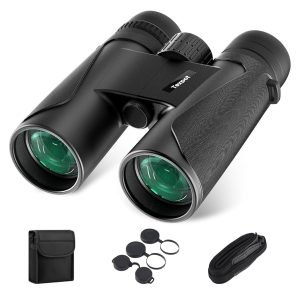
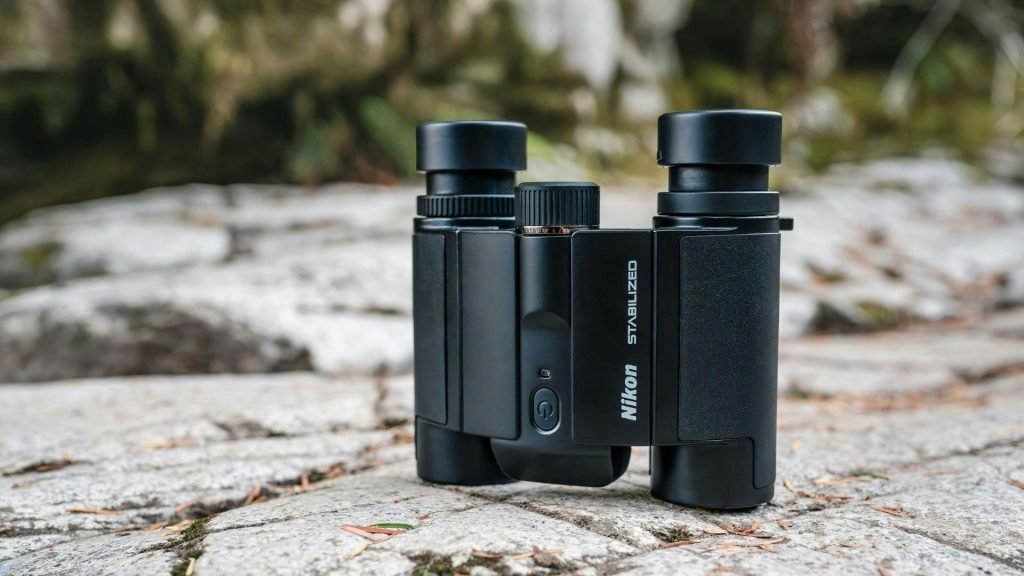
Image stabilized binocularsreduce shaking and make views clearer. In foggy weather, look for models with good fog-proofingand water resistance. These features help keep the lenses clear and dry.
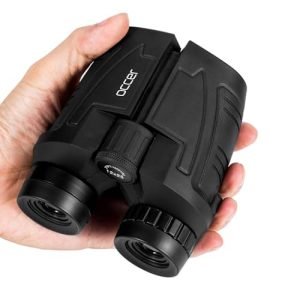
Choose binoculars with high-quality opticsthat offer bright and sharp images. A wider lens diameter allows more light, improving visibility in low light or fog. Compact and lightweight designs help you carry them easily during foggy hikes or trips.
| Model | Fog-Proof | Water-Resistant | Lens Diameter (mm) | Weight (grams) |
|---|---|---|---|---|
| Nikon StabilEyes | Yes | Yes | 42 | 650 |
| Canon 10×30 IS II | Yes | Yes | 30 | 820 |
| Sony 10×30 Image Stabilized | Yes | Yes | 30 | 710 |

Credit: www.bestbuy.ca
Understanding Fog And Visibility
Fogis a thick cloud near the ground. It makes seeing farvery hard. Fog scatters light. This scattering lowers visibility. Things look blurry and unclear. This can make using binoculars tricky. Image stabilized binocularshelp by keeping the view steady. But fog still blocks details.
There are different types of fog. Each affects vision in its own way.
| Type of Fog | How It Affects Vision |
|---|---|
| Radiation Fog | Low and thin; reduces visibility slowly. |
| Advection Fog | Thicker; reduces visibility quickly over large areas. |
| Upslope Fog | Forms on hills; visibility varies with height. |
| Freezing Fog | Creates ice on surfaces; vision is blurry and slippery. |
Preparing For Foggy Weather
Check the weather forecastbefore heading out. Use apps or websites that show fog predictions. This helps in planning your trip safely.
Carry a compassor GPS device to avoid getting lost. Fog can make it hard to see landmarks.
| Essential Gear | Purpose |
|---|---|
| Image Stabilized Binoculars | Clear view despite shaky hands and fog |
| Waterproof Cover | Protect binoculars from moisture |
| Extra Batteries | Keep binoculars powered longer |
| Warm Clothing | Stay comfortable in cold, damp air |
| Flashlight | Improve visibility in low light |
Techniques For Enhanced Stability
Hold binoculars firmlywith both hands to reduce shaking. Keep your elbows close to your body for better support. Rest your hands on a stable surface when possible. Breathe slowly and steadily to avoid sudden movements. Stay still and focus on a single point to improve stability.
Using a tripod gives the best stability. Attach the binoculars securely to avoid slipping. Adjust the tripod height to a comfortable level to prevent strain. Use a tripod with a swivel head to move smoothly. This helps in keeping the image steady even in foggy weather.
Optimizing Binocular Settings
Adjust the focusslowly to get a clear view through the fog. Use the zoomfeature carefully to avoid blurry images. Start with a low zoom level for a wider view, then increase it as needed.
Turn on the image stabilizationto keep the view steady. This helps reduce shaking caused by hand movements. It makes objects easier to see in foggy weather.
- Hold binoculars firmly but gently to avoid extra shaking.
- Use the stabilization feature for smoother viewing.
- Adjust focus and zoom gradually for the best clarity.
- Keep lenses clean to improve image quality.
Maintaining Equipment In Fog
Cleaning binoculars after use in fog is very important. Use a soft cloth to wipe lenses gently. Avoid using paper towels or rough materials. These can scratch the glass. For tough dirt, use lens cleaning solution made for optics.
Keep binoculars dry to protect against moisture damage. Store them in a dry case when not in use. Use silica gel packs inside the case to absorb extra moisture. This helps stop mold and rust.
Do not leave binoculars in wet or foggy places for long. Moisture can harm the internal parts and reduce image quality. Dry the binoculars fully before storing them away.
Safety Considerations
Fog can make it hard to see clearly, even with binoculars. Use image stabilized binoculars carefully in foggy weather. Stay alert and watch your steps to avoid tripping or falling. Keep a slow pace to prevent accidents. Always carry a flashlight or headlamp to help others see you. Never wander far alone; fog can confuse your direction.
Prepare for emergencies by carrying a whistle or signaling device. Keep a fully charged phone in a waterproof case. Share your location with someone before you go out. Pack extra warm clothes and water. Know the weather forecast to avoid sudden changes.

Credit: binocularscanada.com
Expert Recommendations
Professional usersadvise keeping binocular lenses clean and dry. Fog can blur images, so wiping lenses gently with a soft cloth helps. Use lens covers when not in use to stop moisture buildup.
Keep binoculars steady. Image stabilization helps, but sudden moves can still blur views. Hold binoculars close to your face and breathe slowly to reduce shaking.
Choose binoculars with anti-fog coatingsfor clearer vision. These coatings prevent fog from forming on lenses. Also, avoid quick temperature changes that cause fog inside the binoculars.
- Do not touch lenses with dirty or oily hands.
- Avoid using binoculars in heavy rain without protection.
- Don’t store binoculars in sealed bags when wet.
- Never force focus knobs; this can damage the mechanism.
Frequently Asked Questions
How Do Image Stabilized Binoculars Improve Foggy Viewing?
Image stabilized binoculars reduce hand shake, providing clear and steady views in foggy conditions. They enhance image clarity, helping you see details despite low visibility caused by fog.
Can I Use Image Stabilized Binoculars In Heavy Fog?
Yes, but performance may reduce in very dense fog. Image stabilization helps steady the view, but thick fog limits overall visibility and image contrast.
What Settings Optimize Binoculars For Foggy Weather?
Use a wider field of view and lower magnification. Adjust focus carefully to counteract fog blur and enhance image sharpness for better observation.
Are Image Stabilized Binoculars Better Than Regular Ones In Fog?
Yes, because they minimize vibrations and hand movements. This stability provides clearer images, making it easier to spot objects in foggy or misty weather.
Conclusion
Using image stabilized binoculars in foggy weather improves your view greatly. These tools help reduce shaking and keep images clear. Hold the binoculars steady and focus slowly for best results. Remember to clean the lenses often to avoid blurry sights.
Practice using them in different conditions to get comfortable. This way, you can enjoy nature even when fog hides the details. Stay patient and keep your eyes on the scene. Clearer views are possible with the right technique and care.