Are you tired of blurry views and bulky gear ruining your outdoor adventures? Choosing the right waterproof compact binoculars can make all the difference in how you see the world around you.
But with so many options out there, how do you find the perfect pair that fits your needs and budget? You’ll discover simple tips and clear advice that will help you pick binoculars that are not only easy to carry but also tough enough to handle any weather.
Keep reading, and you’ll soon know exactly what to look for to enjoy sharp, clear views wherever you go.

Credit: www.amazon.com.au
Key Features Of Waterproof Binoculars
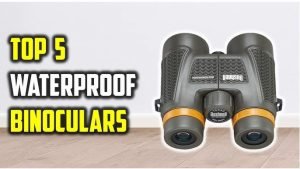
Waterproof binoculars resist water and fog, making them ideal for outdoor use. Compact models offer easy handling and portability without sacrificing image clarity. Durability and clear vision are key factors to consider.
Waterproof Ratings To Know
Waterproof ratingshelp in understanding protection levels. IPX ratings indicate how well binoculars withstand water. Higher numbers mean better protection. IPX7 and IPX8 are ideal for heavy rain. They can be submerged in water safely. Always check the rating before buying.
Fog Proof And Weather Sealing
Fog proof binocularsuse nitrogen or argon gas. This prevents internal fogging. Weather sealing keeps dust and moisture out. Look for binoculars with tight seals. They perform well in various climates.
Durability And Build Quality
Strong materials ensure long-lasting use. Rubber armor gives a firm grip and absorbs shocks. Metal frames offer better strength than plastic. Check hinges and focus knobs for smooth movement. Always choose binoculars with high build qualityfor reliability.
Compact Size Benefits
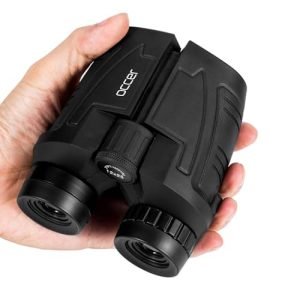
Compact binoculars are easy to carry during outdoor activities. Their small size fits well in pockets or backpacks. This makes them perfect for hiking, bird watching, or sports events.
Choosing binoculars that balance size and performance is key. Small binoculars should still provide clear images and good zoom. A lightweight design helps reduce arm strain during long use.
- Portability:Easy to carry anywhere
- Comfort:Lightweight for long use
- Performance:Clear views despite small size
Optical Performance Factors
Magnificationshows how close objects appear. Higher magnification means objects look bigger but can be harder to hold steady. Field of Viewis how wide you can see. A wider field helps track moving things and see more area.
Lens coatingshelp light pass through lenses better. They reduce glare and improve brightness. More coatings usually mean clearer, sharper images. Good light transmission means you see brighter images, especially in low light.
Eye reliefis the distance between your eye and the binocular lens. Longer eye relief is better for people who wear glasses. Comfort matters too. Choose binoculars that feel good in your hands and fit your face well.
Choosing The Right Magnification
Magnificationshows how much closer objects appear. Higher magnification means objects look bigger but can be harder to hold steady. Lower magnification gives a wider view and is easier to use for a long time.
| Magnification | Best Use | Notes |
|---|---|---|
| 6x to 8x | Bird watching, hiking | Easy to hold, wide view, good for moving targets |
| 10x | Hunting, sports events | Good detail but needs steady hands |
| 12x and above | Long-distance viewing | Can be shaky, best with tripod |
- Choose lower magnification for wide views and stability.
- Higher magnification is better for seeing far details.
- Consider how you will hold the binoculars.
- Waterproof binoculars often come in popular magnifications.
Materials And Ergonomics
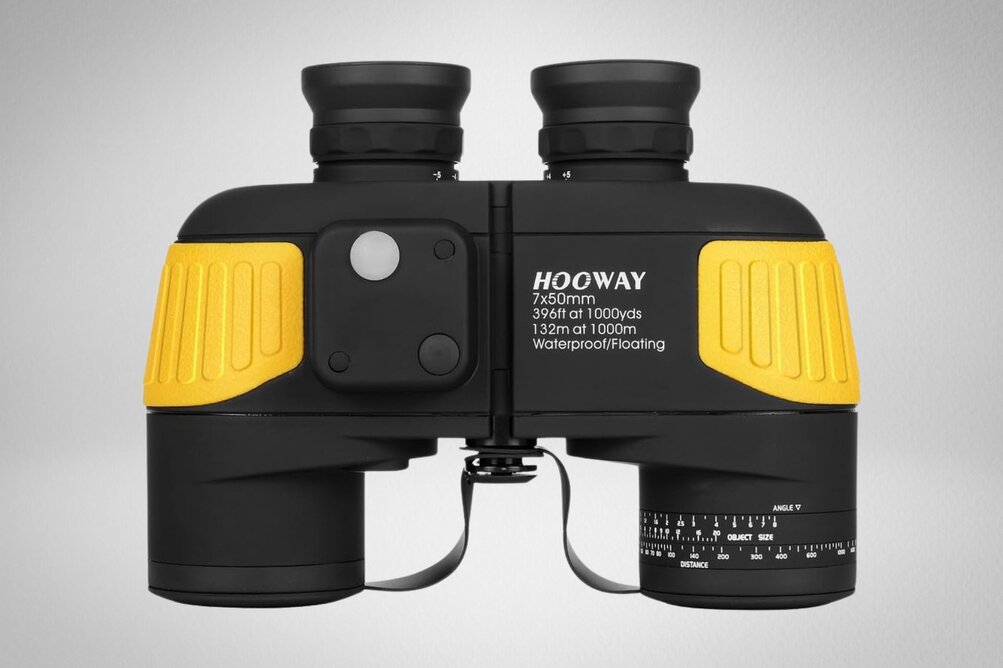
Choose binoculars with a rubber coatingfor a better grip. This material helps prevent slipping, especially in wet conditions. Look for models with textured surfacesthat fit comfortably in your hands.
Ergonomics matters. Binoculars should feel balancedand easy to hold for long periods. Check if the focus wheelis easy to reach without changing your grip.
| Weight | Importance |
|---|---|
| Lightweight (under 500g) | Easy to carry and hold steady |
| Medium weight (500g-800g) | More durable but might tire hands |
| Heavy (above 800g) | Better optics but less comfortable |
Choose weight based on how long you plan to use the binoculars. Lighter models suit hiking and travel. Heavier ones work well for stationary use.
Credit: www.boatsailmag.com
Budget And Brand Selection
Choosing between affordableand premium waterproof compact binocularsdepends on your needs. Affordable options work well for casual use and short trips. They offer good clarity but may lack extra features or durability. Premium binoculars come with better lenses, stronger build, and longer warranty. They suit serious users who need reliable gear in tough conditions.
Brands known for trustworthy waterproof binocularsinclude:
- Nikon – offers a wide range with solid performance.
- Vortex – known for durable and clear optics.
- Bushnell – good balance between price and quality.
- Zeiss – premium brand with excellent lens quality.
- Leica – top-tier optics and build quality.
| Brand | Price Range | Strengths |
|---|---|---|
| Nikon | Affordable to Mid | Clear images, reliable |
| Vortex | Mid to Premium | Durable, good warranty |
| Bushnell | Affordable | Budget-friendly, decent quality |
| Zeiss | Premium | High clarity, premium build |
| Leica | Premium | Best optics, very durable |
Maintenance And Care Tips
Cleaning waterproof binoculars keeps them clear and working well. Use a soft brush or cloth to remove dust and dirt. Avoid using harsh chemicals or soap that can damage lenses. For smudges, gently wipe lenses with a microfiber cloth. Use lens cleaning solution made for optics if needed. Never spray liquid directly on the binoculars.
Proper storage helps protect binoculars from damage and moisture. Keep them in a dry place away from direct sunlight. Store binoculars in their case to avoid scratches. Avoid leaving them in hot or cold places for long. Remove batteries if not using binoculars for many months to prevent leaks.
Credit: gearjunkie.com
Frequently Asked Questions
What Makes Binoculars Waterproof And Fog-proof?
Waterproof binoculars have sealed O-rings to prevent water entry. They use nitrogen or argon gas to stop internal fogging. This ensures clear views in wet or humid conditions, making them ideal for outdoor use.
How To Choose The Right Magnification For Compact Binoculars?
Choose magnification based on your activity. For hiking or bird watching, 8x or 10x is ideal. Higher magnifications offer more detail but can be harder to stabilize. Balance magnification with portability and ease of use.
Why Is Lens Coating Important In Waterproof Binoculars?
Lens coatings improve light transmission and reduce glare. They enhance image clarity and brightness, especially in low light. Quality coatings also protect lenses from scratches and water. Look for multi-coated or fully multi-coated lenses for best performance.
How Does Size And Weight Affect Compact Binoculars?
Compact binoculars are lightweight and easy to carry. Smaller size fits well in pockets or backpacks. Lightweight models reduce fatigue during long use. However, very small binoculars may have limited field of view and brightness.
Conclusion
Choosing the right waterproof compact binoculars takes some thought. Focus on size, weight, and durability first. Check the waterproof rating to ensure protection from water. Consider lens quality for clear and bright views. Don’t forget comfort and grip for easy handling.
Compare a few models before you decide. Good binoculars make outdoor adventures more fun and safe. Keep these tips in mind to find binoculars that suit your needs well. Enjoy every moment outdoors with confidence.