Have you ever struggled to see distant details on your hike just as the sun begins to set or in the early morning dim light? Using hiking binoculars in low light can be tricky, but with the right tips, you can unlock clear views when it matters most.
Imagine spotting wildlife or breathtaking landscapes even when the light isn’t perfect. In this guide, you’ll discover simple, effective ways to get the most from your binoculars during those challenging low-light moments. Keep reading, and turn fading light into your new advantage on the trail.
Choosing The Right Binoculars
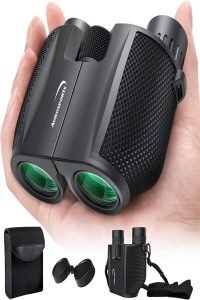
Choosing binoculars with large objective lenses helps capture more light in low-light hiking conditions. Adjust the focus slowly and hold the binoculars steady for clearer images at dusk or dawn.
Key Features For Low Light
Binoculars help you see better in the dark. Look for large lenses. Bigger lenses let in more light. This makes things brighter. Choose binoculars with good magnification. They make far things look closer. But too much magnification can make images shaky.
Lens Size And Magnification
Lens size matters in low light. Large lensescapture more light. This helps you see clearer. Magnification should be balanced. High magnification can make it hard to hold steady. A 10x magnificationis often best for kids and beginners.
Coatings And Optics Quality
Good binoculars have special coatings. These coatings reduce glare. They make images clearer. Multi-coated lensesgive better image quality. Look for binoculars with high-quality optics. Good optics help you see sharp images.
Credit: naavagreen.com
Preparing For Low Light Conditions
Darkness makes it hard for eyes to see clearly. Give your eyes time to adjust. Avoid bright lights before hiking. This helps your eyes use natural night vision better. Use a red light if you need some light. It won’t disturb your night vision.
Try to hike during dawn or dusk. These times have low light but still enough to see. Avoid hiking in complete darkness unless necessary. Plan your trip according to light conditions. This keeps your walk safer and more enjoyable.
- Use a soft case to carry binoculars.
- Keep binoculars dry and clean.
- Use a strap to prevent dropping.
- Store in a cool, safe place when not used.
Techniques For Clear Viewing
Focus the binoculars slowlyuntil the image is sharp and clear. Use the central focus wheel for general adjustment. Then, fine-tune with the diopter ring on the right eyepiece. This helps to match your eyesight.
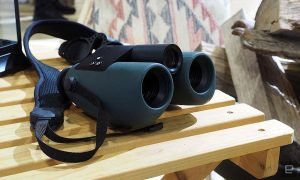
Hold the binoculars steady to avoid shaking. Rest your elbows on your chest or a solid surface. Keep your hands close to your body for more support. This reduces blur in low light.
| Support Type | Benefits |
|---|---|
| Tripod | Provides the most stable view. Ideal for long observations. |
| Bean Bag | Easy to carry. Offers good support on uneven surfaces. |
| Tree Branch or Rock | Natural supports found during hikes. Helps steady your hands. |

Credit: www.amazon.com
Enhancing Visibility In Dim Light
Night vision accessories help improve visibility in low light. They amplify faint light so you see clearer. Use infrared or LED lights designed for binoculars. These tools make dark scenes easier to view without bright glare.
Adjusting brightness and contrastis key to better image quality. Increase brightness slightly for clearer details. Lower contrast if the image looks too harsh. Small changes make a big difference in dim settings.
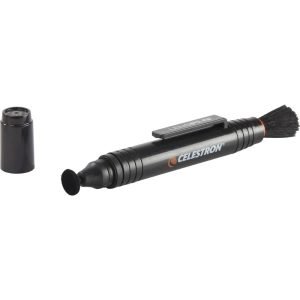
Keep lenses clean for the best view. Use a soft cloth or lens brush to remove dust. Avoid touching lenses with fingers. Regular cleaning helps maintain sharp, clear imagesand extends binocular life.
Common Challenges And Solutions
Fog and moisturecan blur your view through hiking binoculars. Keep lenses dry using a soft cloth. Store binoculars in a waterproof case when not in use. Wiping lenses gently helps remove water drops and fog quickly.
Glare and reflectionsmake it hard to see clearly. Adjust the angle to avoid direct light hitting the lenses. Use a lens hood or shade your binoculars with your hand. This reduces bright spots and improves image clarity.
Blurry imagescan happen for several reasons. Check the focus wheel and adjust slowly until the view is sharp. Clean the lenses regularly from dust and dirt to keep images clear. Hold binoculars steady or use a tripod for better stability.

Credit: www.amazon.com
Frequently Asked Questions
What Makes Binoculars Suitable For Low Light Hiking?
Binoculars with large objective lenses and high-quality prisms enhance light gathering. This improves visibility in dawn, dusk, or dense forest conditions. Opt for models with coatings that boost brightness and contrast for clearer views during low light hikes.
How To Adjust Binoculars For Better Low Light Performance?
Use the focus wheel to sharpen the image carefully. Adjust the interpupillary distance for comfort and clarity. Keep lenses clean and avoid fogging for maximum light transmission. Proper handling ensures crisp, bright visuals in dim environments.
Can Image Stabilization Help In Low Light Hiking Binoculars?
Yes, image stabilization reduces shaking and blurring. It allows steadier views when light is scarce and hand movements are more noticeable. This feature is useful for long observation periods in low light conditions.
What Magnification Is Best For Low Light Hiking Binoculars?
Low to medium magnification (around 7x to 10x) is ideal. Higher magnifications reduce brightness and field of view. Moderate zoom balances detail and light intake, enhancing clarity during low light hikes.
Conclusion
Using hiking binoculars in low light can enhance your outdoor experience greatly. Choose binoculars with a wide lens to gather more light. Keep your hands steady to avoid blurry views. Adjust the focus slowly and carefully for clear images. Early morning or late evening hikes become more enjoyable with these tips.
Practice often to improve your skills and confidence. Enjoy nature’s beauty even when light fades. Simple steps make a big difference in seeing clearly. Stay safe and aware while exploring with your binoculars.