Are you ready to take your wildlife watching to the next level? Using hiking binoculars can transform your outdoor adventures, bringing distant animals and birds right into your view.
But if you’re not sure how to use them properly, you might miss out on amazing sights. You’ll discover simple tips and tricks to get the clearest, closest look at nature around you. Keep reading to unlock the secrets of using hiking binoculars like a pro—and make every hike a memorable wildlife experience.

Credit: www.popsci.com
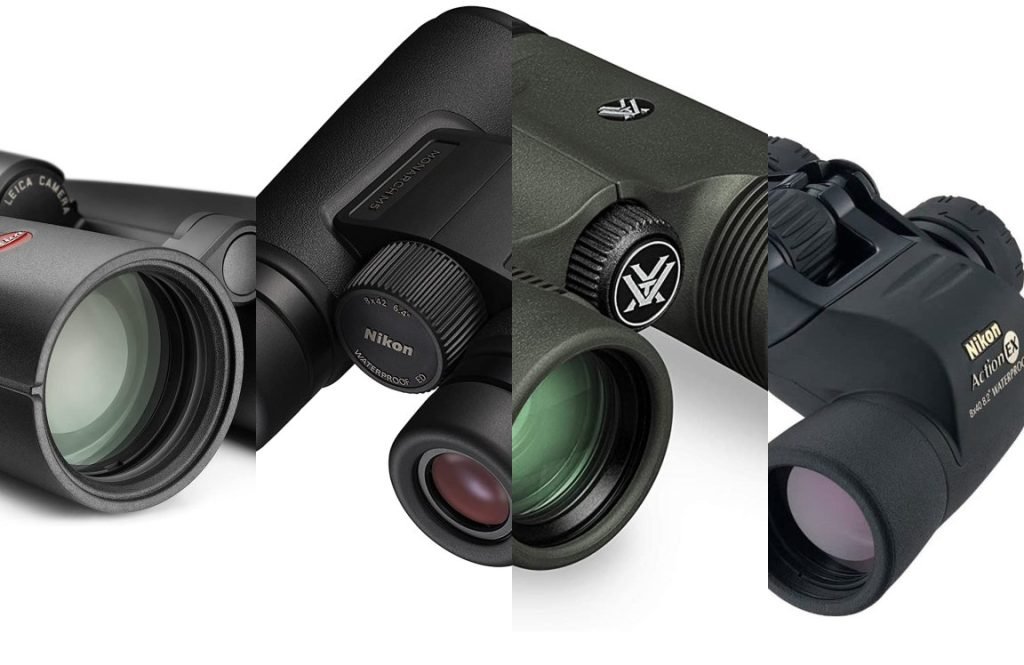
Choosing The Right Binoculars
Magnificationshows how close objects appear. A 8x or 10x magnification is best for hiking. Larger numbers make images shaky without a tripod.
Lens diametercontrols how much light enters. Bigger lenses work better in low light but add weight. A 42mm lens is a good balance.
| Feature | What to Choose | Why |
|---|---|---|
| Magnification | 8x to 10x | Clear view without shaking |
| Lens Diameter | 30mm to 42mm | Good light and lighter weight |
| Field of View | Wide | See more area easily |
| Weight | Light | Easy to carry on long hikes |
A wider field of viewhelps spot animals faster. It shows a bigger area at once. Narrow views need more moving around.
Lightweight binocularsmake hiking fun. Heavy ones tire your arms and neck. Compact models fit in backpacks better.

Credit: www.facebook.com
Setting Up Your Binoculars
Adjust the focus by turning the center wheel slowly. Stop when the image looks sharp and clear. Use the diopter ring on one eyepiece to fine-tune focus for each eye. This helps to see animals and birds better.
Eyecups should be twisted up or down. Twist up if you wear glasses to see the full view. Twist down if you don’t wear glasses for comfort and better sight.
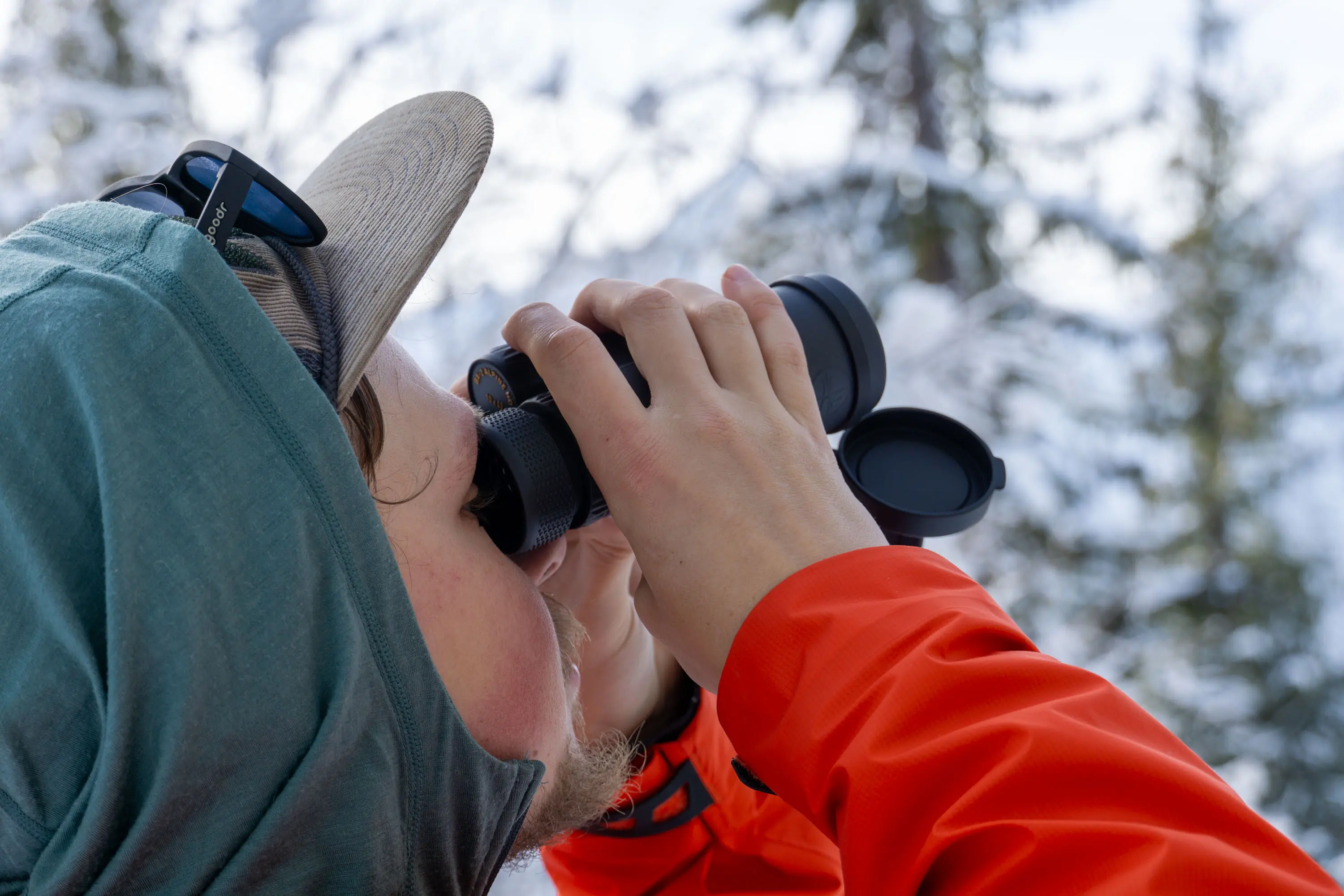
Hold the binoculars steady to avoid shaky views. Use both hands, with elbows close to your body. Lean on a tree or rock for extra support. You can also rest binoculars on a flat surface. This keeps the image clear and easy to watch.
Techniques For Wildlife Spotting
Spotting wildlife requires sharp eyes and patience. Identifying movementis key. Watch for small changes like rustling leaves or quick shadows. Animals often move in patterns, such as following trails or visiting water spots. Observing these helps predict where they might appear next.
Use the terrainto your advantage. Hills, trees, and rocks can hide animals. Position yourself where you can see open spacesbut stay hidden. Higher ground offers a better view. Also, be quiet and still to avoid scaring wildlife away.
Credit: gearjunkie.com
Enhancing Your Observation Skills
Tracking animal behavioris key to better wildlife watching. Use your binoculars to watch how animals move and act quietly. Notice their feeding, resting, or playing habits. This helps you predict where they might go next. Patience is important. Stay still and watch for a long time.
Recognizing species and habitatsbecomes easier with practice. Learn basic shapes, colors, and sizes of animals you want to see. Binoculars help you see details like feather patterns or fur colors. Look at the plants and environment around the animals. Different species live in different places. This knowledge improves your chances to spot wildlife.
Safety Tips While Watching Wildlife
Keep a safe distancefrom animals to avoid disturbing them. Use binoculars to watch without getting too close. Never try to feed or touch wild animals. Stay on marked trails to protect the environment and yourself. Sudden movements can scare animals, so move slowly and quietly. Respect the animal’s space and their natural behavior.
Protect the environment by not leaving trash behind. Avoid making loud noises that can upset wildlife. Take only pictures, leave only footprints. Plants and nests are homes for many creatures; do not damage them. Respecting nature helps keep wildlife safe and healthy for everyone to enjoy.
Care And Maintenance Of Binoculars
Cleaning binoculars often keeps them clear and sharp. Use a soft cloth to wipe lenses gently. Avoid touching lenses with fingers to stop smudges. A small brush can remove dust from edges. Store binoculars in a dry, cool place to protect them.
Protecting binoculars from weather is very important. Rain and dust can damage lenses and mechanics. Use a waterproof case during bad weather or hikes near water. Avoid leaving binoculars in direct sunlight for long. This helps stop parts from wearing out fast.
Frequently Asked Questions
What Are The Best Binoculars For Hiking And Wildlife Watching?
The best hiking binoculars are lightweight, durable, and offer good magnification. Look for 8×42 or 10×42 models for clear, bright images. Waterproof and fog-proof features enhance outdoor usability. Compact size ensures easy carrying during long hikes.
How Do I Adjust Binoculars For Clear Wildlife Viewing?
To adjust binoculars, first set the interpupillary distance to match your eyes. Use the central focus wheel to sharpen the image. Adjust the diopter ring on one eyepiece to balance focus for both eyes. This ensures a clear, comfortable view.
Can Hiking Binoculars Help Identify Distant Animals Accurately?
Yes, hiking binoculars with proper magnification help identify distant animals clearly. They bring wildlife details closer, aiding species recognition. Quality optics reduce distortion and improve image sharpness. This enhances your wildlife watching experience in nature.
How Should I Care For Hiking Binoculars In The Wild?
Keep binoculars clean by wiping lenses with a soft cloth. Store them in a protective case when not in use. Avoid exposure to extreme temperatures and moisture. Regular maintenance ensures long-lasting performance and clear vision on every hike.
Conclusion
Using hiking binoculars makes wildlife watching more fun and clear. Choose the right binoculars for your trip and practice using them often. Keep your hands steady and watch animals quietly to see more details. Remember to respect nature and keep your distance from wildlife.
With patience and care, every hike can bring new discoveries. Enjoy the beauty of nature through your binoculars and stay safe on your adventures.