If you love birdwatching, using ED glass binoculars can take your experience to the next level. These binoculars give you sharper, clearer views of birds, even from a distance.
But do you know the best way to use them to spot every detail? You’ll discover simple tips to get the most out of your ED glass binoculars. By the end, you’ll feel confident and ready to see birds like never before.
Keep reading, and unlock a whole new world of birdwatching!
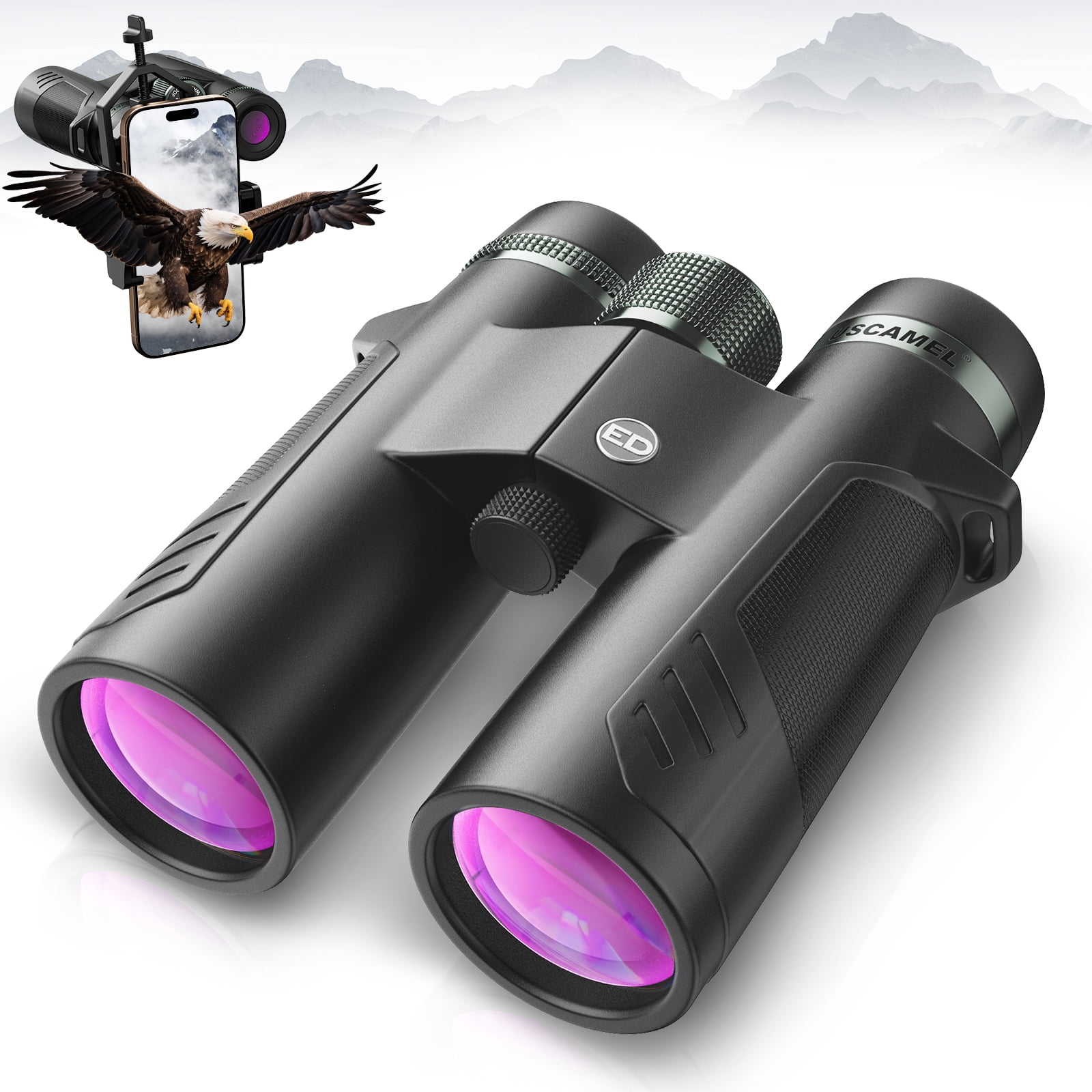
Credit: www.walmart.com
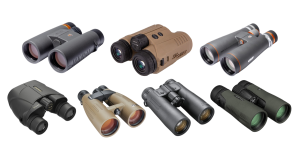
Choosing The Right Ed Glass Binoculars
ED glass binoculars offer clear imagesfor birdwatching. Focus on lens sizeand magnification. Larger lenses capture more light. Check how faryou can see with different magnifications. Smaller magnification means wider view. Bigger magnification sees farther, but less wide.
Key Features To Look For
- Lens Size:Bigger lenses gather more light.
- Magnification:Higher numbers see further.
- Durability:Choose binoculars that last long.
Comparing Magnification And Lens Size
| Magnification | Lens Size |
|---|---|
| 8x | 30mm |
| 10x | 50mm |
Weatherproof And Durability Considerations
Binoculars should resist rainand dust. Check for rubber coatingon the body. This helps protect from damage. Always look for waterproofmodels. They work well in bad weather.

Credit: www.amazon.com
Setting Up Your Binoculars
Start by gently pulling or twisting the eyecupsto fit your eyes. This helps you see the full image without dark edges. Next, adjust the focus wheeluntil the birds appear sharp and clear. Small tweaks make a big difference.
Use the diopter adjustmentto balance the view between your two eyes. Close one eye and focus with the other. Then, switch eyes and turn the diopter until both images look equally sharp.
- Hold the binoculars with both hands for steady viewing.
- Keep your elbows close to your body to reduce shaking.
- Use a neck strap to avoid dropping them.
- Keep fingers away from lenses to avoid smudges.
Techniques For Effective Birdwatching
Finding birds quickly is easier with patience and sharp observation. Scan areas where birds like to rest, such as trees or near water. Move your eyes slowly and watch for movement or color changes. Use your binoculars to spot birds without startling them.
Tracking birds that move fast requires steady hands and smooth movements. Keep your binoculars close to your eyes and follow the bird gently. Avoid sudden moves; instead, move your body and head smoothly. Practice helps improve your tracking skills over time.
| Light Condition | How to Use Binoculars |
|---|---|
| Bright Sunlight | Reduce glare by adjusting the focus and using lens caps if needed. |
| Low Light (Dawn/Dusk) | Use binoculars with larger lenses to gather more light for a clear view. |
| Overcast/Cloudy | Adjust focus carefully; keep lenses clean for sharper images. |
Maintaining Your Ed Glass Binoculars
Use a soft microfiber cloth to clean the lenses gently. Avoid rough materials that can scratch the glass. For stubborn dirt, use a lens cleaning solution made for optics. Never use household cleaners or tissues as they can damage the coating.
Store binoculars in a dry, cool place. Keep them in their case to protect from dust and damage. Avoid leaving them in direct sunlight or damp areas to prevent mold and warping.
- Check and tighten screws occasionally to keep parts secure.
- Keep lenses covered when not in use to avoid scratches.
- Inspect binoculars for dust or moisture inside the lenses.
- Use silica gel packs in the storage case to absorb moisture.
- Handle binoculars with clean, dry hands to avoid grease marks.
Enhancing Your Birdwatching Experience
Using field guideswith binoculars helps identify birds faster. Field guides show pictures and details of birds. Carry a small guide in your pocket for quick checks. Compare what you see through binoculars with the guide’s images and notes.
Keep a birdwatching journalto record what you spot. Write the bird’s name, location, and time. Note any special behavior or sounds. This practice improves memory and tracking over time.
- Share your sightings with local bird groups.
- Join clubs or online forums to learn from others.
- Attend birdwatching meetups for group outings.
- Ask questions and share tips to improve skills.

Credit: www.amazon.com
Frequently Asked Questions
What Are Ed Glass Binoculars?
Ed Glass Binoculars use Extra-low Dispersion glass for clearer, sharper images. They reduce chromatic aberration, enhancing birdwatching clarity and color accuracy.
How Do I Adjust Ed Glass Binoculars For Birdwatching?
Focus the central wheel for clarity, then adjust the diopter ring for eye differences. Proper adjustment ensures sharp, detailed bird images.
Can Ed Glass Binoculars Improve Bird Identification?
Yes, their sharp, high-contrast images reveal fine bird details. This makes identifying species easier, even at a distance.
Are Ed Glass Binoculars Suitable For Beginners?
Absolutely. They provide clear views without complex settings. Beginners benefit from their ease of use and superior image quality.
Conclusion
Using Ed Glass binoculars makes birdwatching clear and fun. Hold them steady and adjust the focus carefully. Take your time to spot birds in trees or skies. These binoculars help you see details from far away. Enjoy nature’s beauty with each view.
Practice often to improve your skills. Birdwatching brings peace and joy. Grab your binoculars and start exploring today!