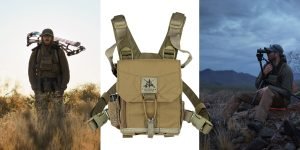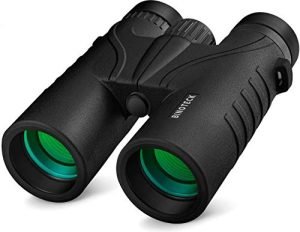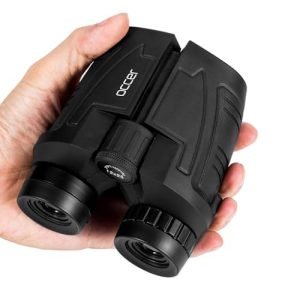
Have you ever struggled to see something far away with just your eyes? Whether you’re watching wildlife, keeping an eye on a distant event, or ensuring security, knowing how to use binoculars for long-distance surveillance can make all the difference.
Imagine being able to spot details clearly, even from miles away, without straining your eyes or missing critical moments. You’ll discover simple, effective tips to maximize your binoculars’ power and improve your long-distance viewing skills instantly. Ready to unlock a new level of clarity and confidence?
Keep reading—you won’t want to miss these expert secrets.
Choosing The Right Binoculars
Using binoculars for long-distance surveillance needs the right tool. Picking the best binoculars makes seeing far easier and clearer.
Good binoculars help you watch details without straining your eyes. Learn what to check before buying.
Magnification And Lens Size
Magnification shows how much closer objects appear. Lens size controls how much light enters, affecting brightness.
High magnification can make images shaky. Large lenses let in more light but add weight.
- 8x to 10x magnification is good for most uses
- Lens size between 30mm and 50mm balances brightness and size
- Higher magnification needs a tripod for steady views
Optical Quality And Coatings
Clear glass and good coatings make images sharp and bright. Coatings reduce glare and improve color.
Look for fully multi-coated lenses. They give better light transmission and clearer views.
- Fully multi-coated lenses improve brightness
- Phase correction coatings enhance image sharpness
- Good optics reduce eye strain during long use
Durability And Weather Resistance
Strong binoculars last longer and handle outdoor use. Waterproof and fog-proof models work well in rain and cold.
Look for rubber armor for extra grip and shock protection. This helps if you drop or bump them.
- Waterproof seals prevent water damage
- Fog-proof design stops lens fogging inside
- Rubber armor protects against drops and slips

Credit: www.celestron.com
Preparing For Surveillance
Using binoculars for long-distance surveillance needs careful planning. Preparing well helps you see clearly and stay comfortable.
Good preparation includes choosing a location, setting a stable position, and adjusting to light conditions. Each step improves your viewing experience.
Selecting The Best Location
Pick a place with a clear view and few obstacles. Avoid areas with heavy traffic or distractions. Higher ground often offers a better vantage point.
- Look for open areas without trees or buildings blocking sight
- Choose spots that are safe and easy to access
- Consider the direction of your target to avoid backlight
- Check for potential hiding spots to remain unnoticed
Setting Up A Stable Viewing Position
Stability is key to clear viewing. Find a firm surface or bring a tripod to reduce shaking. Sitting or lying down can also help steady your hands.
| Position | Advantages | Disadvantages |
| Standing | Quick to move | More shaky |
| Sitting | More stable | Less mobile |
| Lying down | Most stable | Limited view range |
| Using tripod | Very stable | Needs extra gear |
Adjusting For Lighting Conditions
Light affects how well you see through binoculars. Adjust your position or wait for better light if needed. Avoid glare and shadows on your lenses.
- Face away from bright sunlight to reduce glare
- Use lens covers to protect from direct light when not in use
- Clean lenses regularly to avoid dust and smudges
- Choose early morning or late afternoon for softer light
Adjusting Your Binoculars
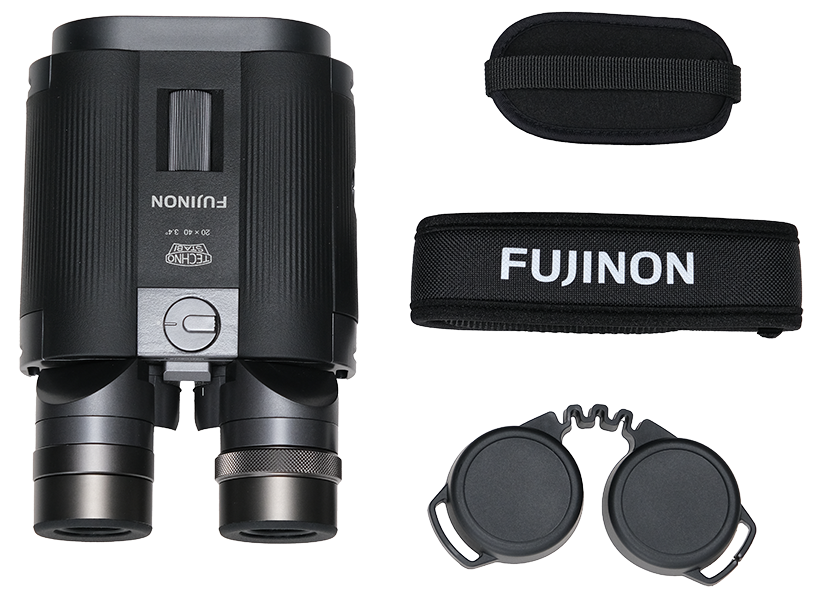
Using binoculars for long-distance surveillance needs clear and sharp images. Proper adjustment helps you see far objects with ease.
Take time to adjust your binoculars before starting. This makes your viewing experience better and reduces eye strain.
Focusing Techniques
Focus your binoculars to get a clear image of the object you want to see. Start by looking at something at a distance.
Turn the central focusing wheel slowly until the object looks sharp. Avoid quick movements to prevent blurry views.
- Look through both eyepieces
- Adjust central focus wheel carefully
- Focus on distant objects for best results
Setting The Interpupillary Distance
Interpupillary distance is the space between your eyes. Adjusting this helps both eyes see through the binoculars comfortably.
Hold the binoculars and move the barrels closer or farther apart. Stop when you see one clear circular image instead of two.
- Hold binoculars up to your eyes
- Move barrels slowly inward or outward
- Find the distance that shows one image
Using Diopter Adjustment
Diopter adjustment corrects differences between your eyes. It helps make both views equally sharp.
Close your right eye and focus the left eye with the central wheel. Then close your left eye and turn the diopter ring on the right eyepiece to focus.
- Close right eye, focus left eye first
- Close left eye, adjust diopter ring on right
- Open both eyes and check the clarity
Credit: www.fujifilm.com
Effective Viewing Techniques
Using binoculars for long-distance surveillance requires clear and steady viewing. This helps you see details far away without strain.
Good techniques improve your ability to spot targets and keep your view stable. Let’s explore some tips for effective use.
Steadying Your Hands
Hold the binoculars firmly but gently. Avoid tight grips that cause shaking. Use both hands for better control.
Keep your elbows close to your body. This reduces arm movement and keeps the binoculars steady.
- Place feet shoulder-width apart for balance
- Take deep breaths and stay calm
- Use a wall or tree as a support if needed
Using Tripods And Supports
Tripods help hold binoculars steady for long viewing sessions. They reduce hand fatigue and improve focus.
Attach your binoculars to a tripod using a mount or adapter. If no tripod is available, use stable surfaces like tables or rocks.
- Choose a tripod with adjustable height
- Make sure the tripod is on firm ground
- Use padding to protect binoculars from slipping
Scanning And Spotting Targets
Move your binoculars slowly across the area. Use a wide sweep to scan large spaces before focusing on details.
Look for movement or shapes that stand out. Once you spot a target, hold steady and adjust focus carefully.
- Start scanning from left to right or right to left
- Pause briefly on interesting spots
- Use the binoculars’ focus wheel to sharpen the image
Maintaining And Caring For Binoculars
Proper care keeps binoculars working well for a long time. Dirt, dust, and moisture can damage lenses and mechanics.
Follow simple steps to clean, store, and check your binoculars regularly.
Cleaning Lenses Safely
Clean lenses gently to avoid scratches. Use soft tools and avoid harsh chemicals.
- Blow off dust with a soft brush or air blower.
- Use a microfiber cloth to wipe lenses softly.
- Apply lens cleaner only on the cloth, not directly on lenses.
- Do not use paper towels or clothing to clean lenses.
- Clean only when lenses are visibly dirty.
Storage Tips
Store binoculars in a dry, cool place to prevent damage. Protect them from dust and moisture.
| Storage Condition | Purpose |
| Use a padded case | Protects from bumps and scratches |
| Keep silica gel packs | Absorbs moisture inside the case |
| Store away from direct sunlight | Prevents lens and body damage |
| Remove batteries if unused | Prevents corrosion and leaks |
Routine Maintenance Checks
Check binoculars often for issues. Early fixes can stop bigger problems.
- Inspect lenses for scratches or dirt.
- Check the focus mechanism for smooth movement.
- Test the alignment by looking through both eyepieces.
- Look for loose parts or screws.
- Clean and lubricate hinges lightly if needed.

Credit: www.youtube.com
Safety And Legal Considerations
Using binoculars for long-distance surveillance requires care to stay safe and legal. Understanding the laws and ethical rules helps avoid trouble.
This guide covers key points about privacy, detection, and ethics when observing from afar.
Respecting Privacy Laws
Privacy laws protect people from unwanted spying. Always check local rules before using binoculars to watch others.
- Do not look into private spaces like homes or fenced yards.
- Avoid recording or sharing images without permission.
- Know the limits of public vs. private property observation.
- Stop surveillance immediately if asked by the person observed.
Avoiding Detection
Staying unnoticed is important for safety and respect. Use discreet methods to avoid drawing attention.
| Tip | Reason |
| Use dark or neutral colors | Blends with surroundings |
| Stay behind cover like bushes | Prevents being seen easily |
| Avoid shining flashlight on lenses | Stops glare that catches eyes |
| Keep movements slow and smooth | Reduces noise and sudden motion |
Ethical Surveillance Practices
Ethics guide how to use binoculars responsibly. Respect others’ rights and dignity at all times.
- Only observe when necessary and for a good reason.
- Do not use surveillance to harm or harass anyone.
- Inform authorities if you see dangerous or illegal acts.
- Keep your intentions honest and transparent if questioned.
Frequently Asked Questions
What Is The Best Binocular Magnification For Long-distance Surveillance?
For long-distance surveillance, 10x to 15x magnification is ideal. This range offers clear images without excessive shaking. Higher magnification can reduce image stability and field of view, making observation harder. Choose binoculars with quality lenses and image stabilization for better performance.
How To Stabilize Binoculars For Clearer Long-distance Views?
Use a tripod or rest binoculars on a steady surface to reduce hand shake. Hold binoculars firmly with both hands and keep elbows close to your body. Image stabilization features in some binoculars also help maintain a steady view during long-distance surveillance.
Can Low-light Conditions Affect Binocular Performance?
Yes, low-light conditions can reduce image clarity and detail. Choose binoculars with a larger objective lens diameter (40mm or more) to gather more light. Look for models with good lens coatings to improve brightness and contrast in dim environments.
How To Focus Binoculars Quickly For Distant Objects?
Adjust the central focusing wheel while looking through the binoculars. Use the diopter adjustment to fine-tune focus for differences between your eyes. Practice focusing on various distances to improve speed and accuracy during surveillance tasks.
Conclusion
Mastering binoculars can greatly enhance long-distance surveillance. Choose a model that suits your needs best. Practice regularly to improve your skills. Remember to adjust the focus for clarity. A steady hand is essential for clear viewing. Use a tripod if necessary for stability.
Keep your binoculars clean for optimal performance. Understanding these basics can make surveillance more effective. Stay patient and observant while using binoculars. With time, you’ll see improvements in your abilities. Enjoy exploring the distance with confidence.