Do you want to get closer to wildlife without disturbing their natural behavior? Using binoculars for close-up wildlife observation lets you see amazing details you might miss with the naked eye.
But it’s not just about holding binoculars up to your eyes—you need the right techniques to make the most of your view. You’ll learn simple tips and tricks that will help you spot animals clearly, stay steady, and enjoy every moment of your wildlife experience.
Keep reading, and soon you’ll feel like you’re right there with nature.
Choosing The Right Binoculars
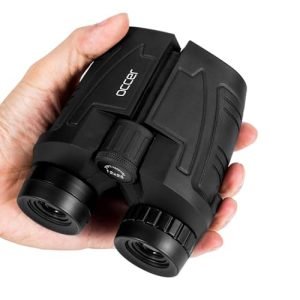
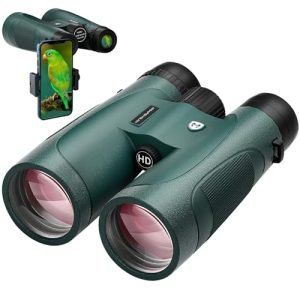
Higher magnification makes animals look closer. But, it narrows the field of viewmagnification of 8xor 10x is often ideal. It provides detail without losing too much field view.
A wide field of view captures more area. It helps track moving animals easily. A field of viewaround 300 feet at 1000 yards is good. You can see more without moving your binoculars.
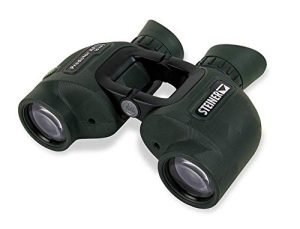
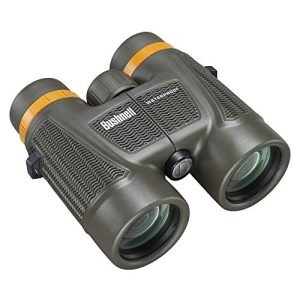
Binoculars should be waterproof. This protects from rain and water. Fogproof features prevent fog inside lenses. These features keep your view clear. They are essential for outdoor use.
Lightweight binoculars are easier to carry. Comfortable gripsmake them easy to hold. Adjustable straps help distribute weight. Comfort ensures you can watch wildlife longer.

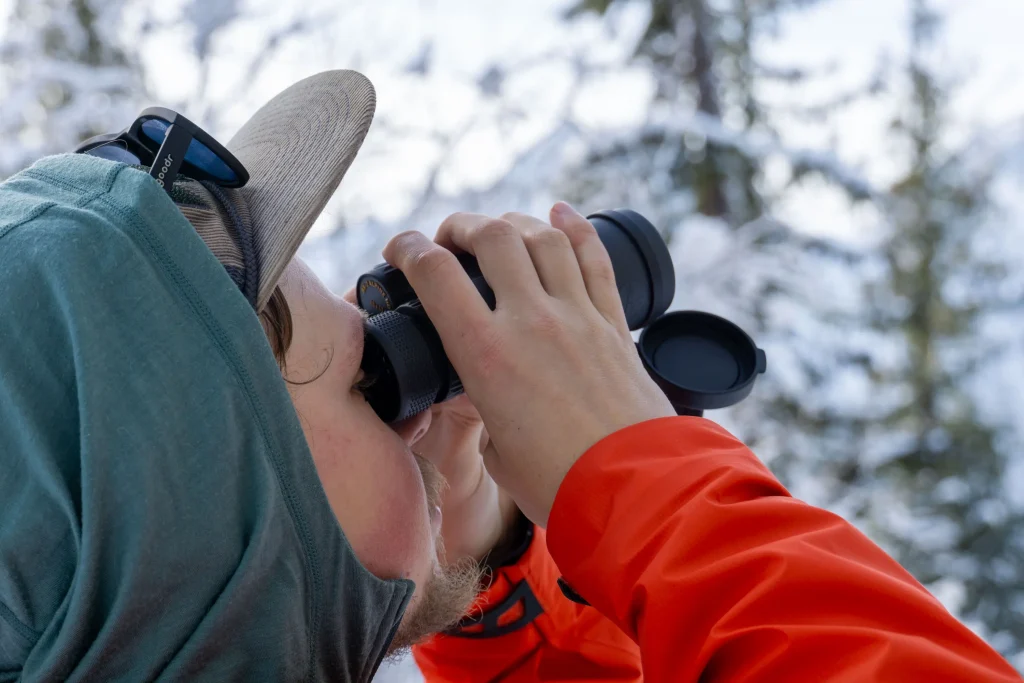
Credit: www.popsci.com
Preparing For Close-up Viewing
Adjust the binoculars so the two eyepieces match your eye distance. This helps you see one clear, round image. Hold the binoculars up and slowly move the barrels closer or further apart.
Turn the central focus wheeluntil the image is sharp. Then, cover one eye and adjust the diopter ringon the other side. This fine-tunes the focus for each eye.
A tripodkeeps binoculars steady. This is very helpful for long viewing times or high zoom levels. Attach your binoculars to the tripod using the mount or adapter. Keep the tripod steady to avoid shaking images.
Approaching Wildlife Safely
Keeping a safe distanceis important to avoid scaring animals. Use binoculars to watch from afar without disturbing them.
Move slowly and quietly. Sudden sounds or fast movements can make animals hide. Stay calm and steady.
| Best Time | Reason |
|---|---|
| Early Morning | Animals are active and light is soft |
| Late Afternoon | Animals come out before dark |
| During Quiet Weather | Less noise helps you hear and see better |

Credit: www.celestron.com
Techniques For Clear Observation
Glare and reflections can block your view through binoculars. Use your hand or a hat brim to shield the lenses from bright light. Try to position yourself so the sun is behind you. This reduces glare and helps you see animals clearly.
Natural cover like trees, bushes, or tall grass can hide your presence. Move slowly and quietly to avoid scaring animals away. This allows a better chance to observe wildlife up close without disturbing them.
Patience is key. Wildlife may take time to appear or come closer. Visit early morning or late evening when animals are most active. Stay still and wait quietly. This increases chances of a clear, close-up view.
Caring For Your Binoculars
Use a soft brush or air blower to remove dust from the lenses gently. Avoid wiping lenses with clothes or tissues that might scratch them. Use a lens cleaning solution and a microfiber cloth for stubborn smudges. Clean in small circular motions, starting from the center outward.
Keep binoculars in a protective case when not in use. Store them in a cool, dry place to prevent mold or moisture damage. Avoid leaving binoculars in direct sunlight or hot areas for long periods.
- Check screws and hinges regularly to ensure they are tight.
- Adjust the focus and eyecups gently to avoid damage.
- Inspect for any cracks or loose parts before each use.
Credit: m.youtube.com
Frequently Asked Questions
How Do I Choose Binoculars For Close-up Wildlife Viewing?
Select binoculars with 8x to 10x magnification for clear close-up views. Choose objective lenses around 32mm for brightness and portability. Ensure they have good lens coatings for sharp images and are lightweight for easy handling during wildlife observation.
What Is The Best Way To Hold Binoculars Steady?
Hold binoculars firmly with both hands, elbows tucked close to your body. Stand with feet shoulder-width apart for stability. Use a tripod or rest your elbows on a stable surface if available, to reduce shaking and get clearer close-up wildlife views.
How Do I Focus Binoculars For Close-up Wildlife?
Adjust the central focus wheel until the image is clear. Use the diopter ring on one eyepiece to fine-tune focus for each eye. Focus on the closest part of the wildlife to get sharp and detailed observation in close-up mode.
Can Binoculars Damage My Eyes During Close-up Use?
No, binoculars do not harm your eyes if used properly. Avoid staring continuously without breaks to prevent eye strain. Adjust the interpupillary distance to match your eyes for a comfortable and safe viewing experience while observing wildlife up close.
Conclusion
Using binoculars for close-up wildlife observation brings nature closer to you. Choose the right binoculars with good magnification and clear lenses. Hold them steady and focus slowly to see details well. Stay quiet and move carefully to avoid scaring animals.
Practice often to improve your skills and enjoy every moment outdoors. Watching animals up close helps you appreciate their beauty and behavior. Keep exploring and observing with patience. Nature has many surprises waiting for you.