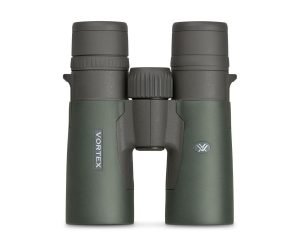
You rely on your binoculars to keep a close eye on what matters most during surveillance duty. But are you storing them the right way?
How you store your binoculars can make a big difference in their performance and lifespan. If moisture, dust, or scratches sneak in, your clear view could quickly become blurry. You’ll discover simple yet effective ways to protect your binoculars, so they’re always ready when you need them most.
Keep reading to learn how to store your binoculars properly and never miss a crucial detail again.
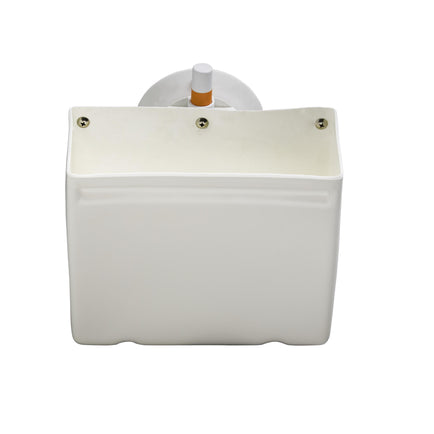
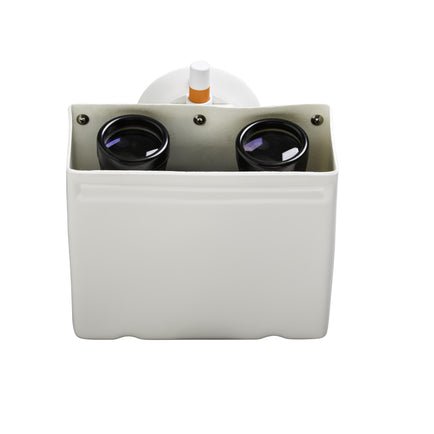
Credit: www.seasucker.com
Choosing The Right Storage Case
Storing binoculars properly helps keep them safe and ready for use. A good storage case protects from damage and dirt. Picking the right case depends on your needs and environment.
This guide covers the main features to look for in a storage case. You will learn about hard and soft cases, waterproof and shockproof options, and size and portability.
Hard Vs Soft Cases
Hard cases offer strong protection against impacts and crushing. Soft cases are lighter and easier to carry but may not guard as well against heavy pressure. Choose based on how rough your environment is.
Hard cases usually have a rigid shell made of plastic or metal. Soft cases are often made from padded fabric or neoprene. Both types can protect binoculars from dust and scratches.
Waterproof And Shockproof Features
Waterproof and shockproof features keep binoculars safe in tough conditions. Waterproof cases stop moisture from damaging lenses and electronics. Shockproof cases absorb shocks from drops or bumps.
- Waterproof cases use seals or special coatings to block water
- Shockproof cases have padded interiors or foam inserts
- Some cases combine both features for full protection
- Check the case rating for water and shock resistance
Size And Portability
| Feature | Hard Case | Soft Case |
|---|---|---|
| Weight | Heavier | Lighter |
| Storage Space | Usually larger | Compact |
| Ease of Carry | Less portable | Easy to carry |
| Extra Compartments | Limited | Often has pockets |
Choose a size that fits your binoculars well without extra space. A snug fit stops movement inside the case. Portability matters if you carry binoculars on long surveillance duties.
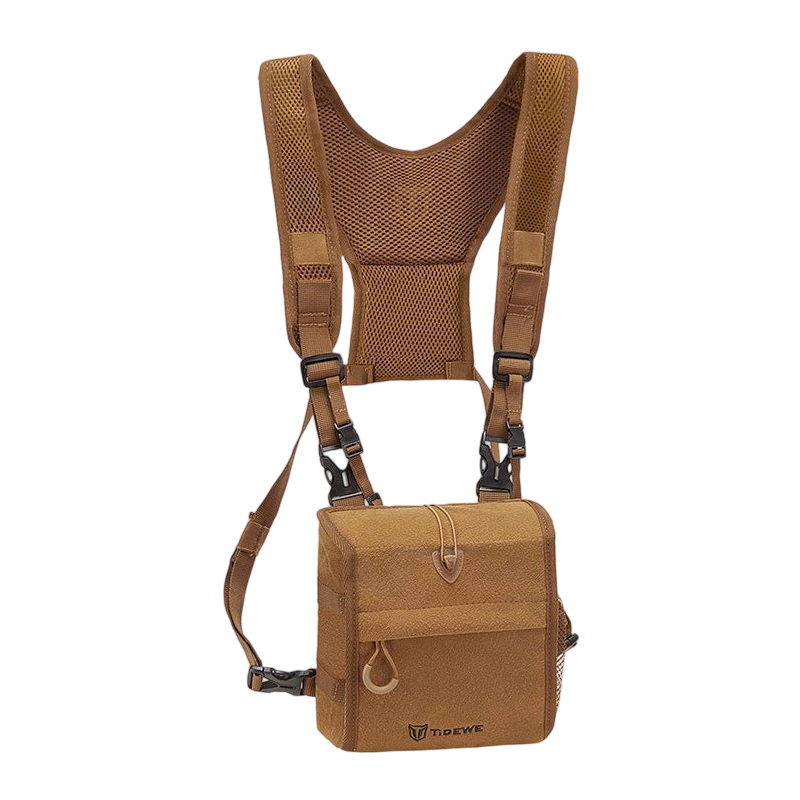
Credit: www.tidewe.com
Preparing Binoculars For Storage
Proper storage keeps binoculars safe and ready for surveillance. It prevents damage and extends their life.
Follow these steps to prepare your binoculars before storing them for a long time.
Cleaning Lenses And Body
Clean lenses and body before storage to avoid dirt buildup and scratches. Use a soft cloth and gentle cleaner.
- Blow dust off lenses with a blower brush.
- Wipe lenses gently with a microfiber cloth.
- Use lens cleaning solution if needed.
- Clean the binocular body with a damp cloth.
- Dry all parts thoroughly before storing.
Drying Moisture And Preventing Fog
Moisture can cause fog inside lenses and damage the binoculars. Dry them well and use moisture absorbers.
| Method | Purpose |
| Use silica gel packets | Absorb moisture inside the case |
| Air dry binoculars | Remove surface moisture |
| Store in a dry place | Prevent humidity buildup |
| Keep lens caps on | Protect lenses from dust and fog |
Removing Batteries
Remove batteries before storage. This prevents leaks that can damage your binoculars.
- Open the battery compartment carefully.
- Take out all batteries.
- Check batteries for leaks or corrosion.
- Store batteries separately in a cool, dry place.
- Replace batteries before use if needed.
Optimal Storage Conditions
Proper storage of binoculars is important for their performance. It keeps lenses clear and parts working well. Storing binoculars correctly helps in surveillance duty.
Focus on key factors like temperature, light, and security. These keep your binoculars ready for use anytime.
Temperature And Humidity Control
Keep binoculars in a dry place with stable temperature. Avoid places that get very hot or cold. Changes can cause fog inside lenses and damage parts.
- Store in a room with 40-70°F (4-21°C) temperature.
- Keep humidity levels below 60% to prevent mold.
- Use silica gel packs in the storage case to absorb moisture.
- Do not leave binoculars in damp basements or hot cars.
Avoiding Direct Sunlight
Direct sunlight can harm binoculars. It can fade coatings and heat up the lenses. Heat may also warp plastic parts.
- Store binoculars in a closed case.
- Place the case in a shaded drawer or cabinet.
- Do not leave binoculars on windowsills.
Safe Placement And Security
Keep binoculars in a secure spot to prevent theft or falls. Use padded cases to protect from bumps. Avoid unstable shelves or edges.
| Storage Location | Security Level | Protection |
| Locked drawer | High | Good padding |
| Closed cabinet | Medium | Moderate padding |
| Open shelf | Low | No padding |
Maintenance Tips During Storage
Proper storage keeps binoculars ready for surveillance duty. Good care prevents damage and extends use.
Follow simple steps to maintain your binoculars during storage. Protect lenses, moving parts, and check regularly.
Regular Inspection
Inspect your binoculars at least once a month. Look for dirt, dust, and signs of wear or damage.
- Check lenses for scratches and smudges.
- Inspect the body for cracks or loose parts.
- Test the focus and adjustment knobs for smooth operation.
- Look inside the eyepieces for dust or fungus.
Lens Protection Techniques
Protecting the lenses is key to clear vision. Use covers and clean carefully to avoid scratches.
| Protection Method | Purpose |
| Lens Caps | Keep dust and dirt off lenses |
| Microfiber Cloth | Safe cleaning without scratching |
| Silica Gel Packs | Absorb moisture inside storage case |
| Soft Pouch or Case | Prevent physical damage during storage |
Lubricating Moving Parts
Lubricate hinges and focus wheels to keep movement smooth. Use light oils made for optical gear.
- Apply a drop of lubricant on each hinge.
- Turn focus wheels slowly to spread oil evenly.
- Wipe off any excess oil with a clean cloth.
- Do not use heavy oils that attract dust.
Quick Access Strategies For Surveillance
Storing binoculars properly helps you act fast during surveillance. You need easy reach and safe keeping. This guide shows ways to keep your gear ready.
Good storage methods protect your binoculars and save time. Use the right tools and habits to keep your equipment close and secure.
Organizing Storage For Fast Retrieval
Keep your binoculars in a dedicated place. Use labels or color codes to spot them quickly. Store them near other surveillance tools.
- Use a padded case with compartments
- Place binoculars at eye level or within arm’s reach
- Keep the storage area clean and clutter-free
- Use hooks or shelves for quick hanging
- Mark storage spots with bright tags or stickers
Using Carrying Straps And Holsters
Carry your binoculars hands-free using straps or holsters. This keeps them ready without slowing you down. Choose adjustable straps for comfort.
| Type | Benefit | Best Use |
| Neck Strap | Easy access, quick raise | Short surveillance |
| Chest Harness | Stable, less bounce | Long patrols |
| Holster Pouch | Secure, protects lenses | Rough terrain |
| Shoulder Sling | Comfortable, balanced | Mixed movement |
Transport Tips For Field Use
Transport binoculars safely to avoid damage. Use shock-absorbing bags and keep them dry. Plan how you carry them during movement.
- Use padded, waterproof bags
- Secure binoculars with straps inside the bag
- Keep lens caps on when not in use
- Avoid placing heavy items on top
- Check straps and closures before travel

Credit: www.ebay.com
Frequently Asked Questions
How Should I Clean Binoculars Before Storage?
Always clean lenses with a microfiber cloth and lens cleaner. Remove dust and moisture to avoid damage during storage.
What Is The Best Case For Storing Binoculars?
Use a padded, hard-shell case to protect binoculars from impacts and dust. A waterproof case is ideal for outdoor use.
Should Binoculars Be Stored With Batteries Inside?
Remove batteries before storing binoculars long-term. This prevents battery leakage and damage to electronic components.
Where Is The Safest Place To Store Binoculars?
Store binoculars in a cool, dry place away from direct sunlight. Avoid humid or dusty environments to prolong lifespan.
Conclusion
Storing binoculars properly keeps them safe and ready to use. Use a protective case to avoid dust and scratches. Keep them in a dry place to stop moisture damage. Clean lenses before storing to maintain clear vision. Always handle binoculars gently to avoid misalignment.
With simple care, your binoculars will last longer and perform well. This helps you stay prepared for every surveillance duty. Small steps make a big difference in protecting your gear. Stay careful, and your binoculars will serve you well.