Are you tired of blurry edges and distracting color fringes when using your binoculars? Chromatic aberration can ruin your viewing experience, making it hard to see details clearly.
But can roof prism binoculars actually help reduce this problem? If you want sharper, clearer images without the annoying color distortions, this article will guide you through how roof prism designs work and whether they are the right choice for your needs.
Keep reading to discover how your next pair of binoculars could change the way you see the world.
Credit: www.adorama.com
Understanding Chromatic Aberration
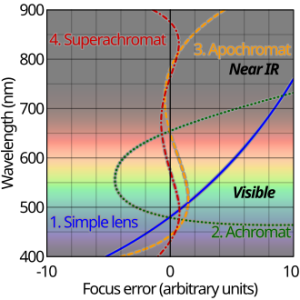
Chromatic aberrationhappens when light splits into colors through lenses. This makes edges look blurry or have color fringes. It happens because lenses bend different colors at different angles.
Light waves bend unevenly. Blue light bends more than red light. This causes images to have colored edgesor halos. It lowers the sharpnessand clarityof what you see.
| Cause | Effect |
|---|---|
| Different light colors bending differently | Color fringes around objects |
| Lens shape and materials | Blurred or distorted image edges |
| Poor lens alignment | Increased chromatic aberration |
This issue makes images look less clear and less natural. It is important to reduce it in binoculars for better viewing.
Roof Prism Binoculars Explained
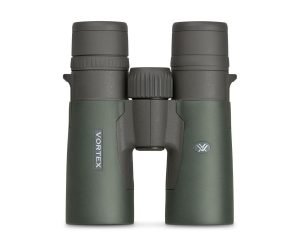
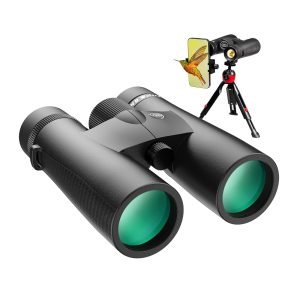
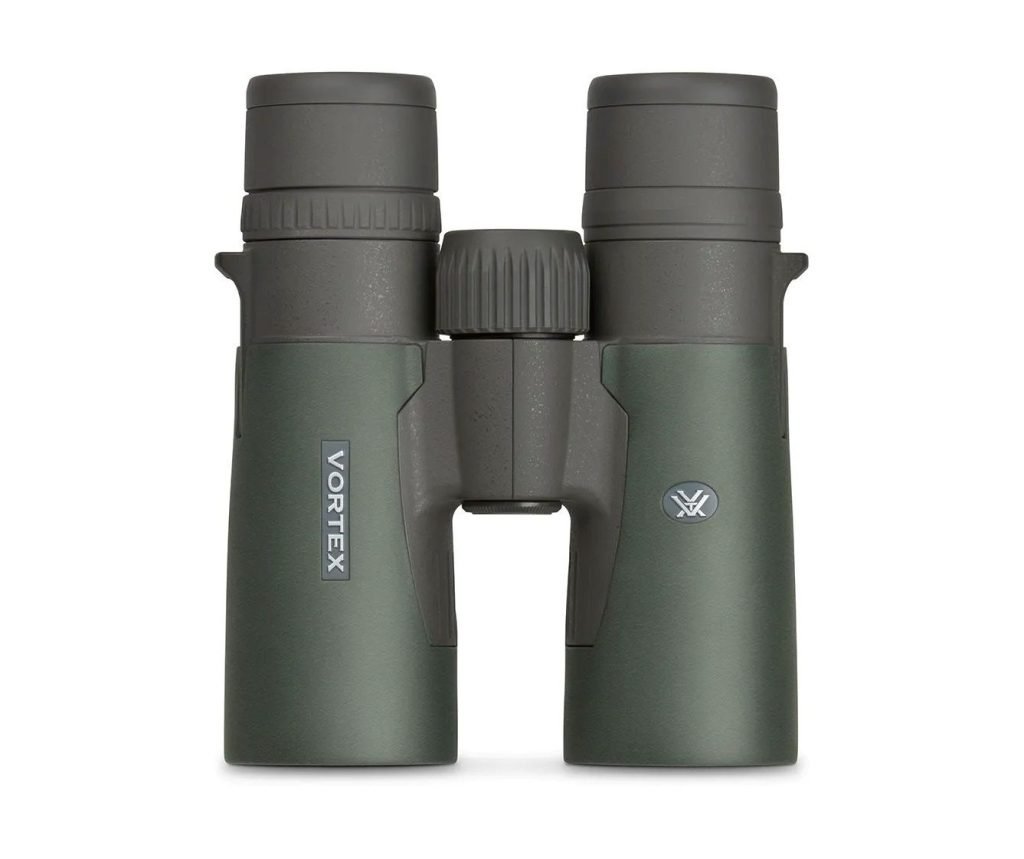
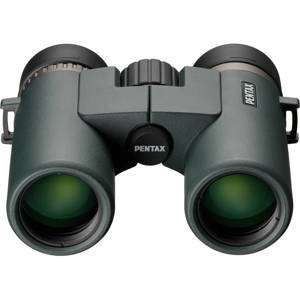
Roof prism binocularshave a straight barrel design. This makes them compact and easy to hold. Light travels through roof prisms by reflecting at sharp angles. This helps keep the binoculars slim. They often use special coatings on lenses to improve image clarity. These coatings also help reduce chromatic aberration, which causes color fringing. The design is popular for outdoor activities like bird watching and hiking.
| Feature | Roof Prism Binoculars | Porro Prism Binoculars |
|---|---|---|
| Design | Straight, compact | Offset, bulkier |
| Weight | Lighter | Heavier |
| Image Depth | Less depth perception | Better depth perception |
| Chromatic Aberration | Reduced with coatings | Can be more visible |
| Price | Usually more expensive | Usually less expensive |
Mechanisms Of Chromatic Aberration Reduction
Lens coatingshelp reduce light reflections inside the binoculars. This means less color blur around objects. Special coatings also improve light passing through lenses. Using extra-low dispersion glasscuts down the color fringing. This glass bends different colors more evenly, making images clearer.
Prism designalso plays a key role. Roof prisms have a straight shape that helps keep colors aligned. Newer prism types use better angles to reduce color errors. Some roof prisms have extra coatings on their surfaces to block unwanted light. This helps in making the final image sharper and less blurry.

Credit: www.amazon.ae
Expert Insights On Binocular Performance
Experts say roof prism binocularscan help reduce chromatic aberration. This happens because of the way light bends inside the prism. Roof prisms bend light twice, which helps correct color edges around objects.
Many professionals prefer roof prism binoculars for sharp and clear images. The design allows for smaller and lighter binoculars without losing image quality. Some models use special coatings to cut down on color fringing even more.
- Users report less color blur around bright objects.
- Some notice better focus and sharper views.
- Others find roof prism binoculars easier to carry for long trips.
Evaluating Binoculars For Chromatic Aberration
Testing roof prism binoculars for chromatic aberrationmeans checking how well they reduce color fringing. This happens when colors don’t line up correctly in the image.
Tests include viewing high-contrast objects, like tree branches against bright sky. Observers look for any color blurringor purple edges around objects.
Another test uses charts with black and white lines. Sharp lines with no color fringing mean better correction.
Criteria for selection focus on:
- Lens coatingsthat reduce color distortion
- Glass qualityto improve color accuracy
- Prism designthat minimizes light splitting
- Weight and size for ease of use
- Price balanced with optical performance

Credit: www.opticscentral.com.au
Future Trends In Optical Technology
Prism designimprovements help lower chromatic aberration in roof prism binoculars. New materials and shapes allow light to pass more evenly. This reduces color fringes around objects.
Manufacturers test coatings that minimize light scatter. These coatings make images clearer and colors more accurate. Smaller prisms with better glass can also help.
Future opticsmight include advanced glass types and better alignment tools. These changes aim to sharpen imagesand lower color errors further. Expect designs that balance size, weight, and optical quality.
Frequently Asked Questions
Do Roof Prism Binoculars Reduce Chromatic Aberration?
Yes, roof prism binoculars can reduce chromatic aberration. Quality lenses and coatings help minimize color fringing for clearer images.
How Do Roof Prism Designs Affect Image Clarity?
Roof prism designs offer compactness and alignment that improve sharpness. Proper coatings reduce light dispersion, enhancing image clarity and color accuracy.
Are Roof Prism Binoculars Better For Color Correction?
Roof prism binoculars often include advanced coatings that reduce chromatic aberration. This results in better color correction compared to some other prism types.
What Features In Roof Prism Binoculars Help Minimize Chromatic Aberration?
Features like ED glass, phase correction coatings, and multi-layer lens coatings reduce chromatic aberration in roof prism binoculars effectively.
Conclusion
Roof prism binoculars can help reduce chromatic aberration to some extent. Their design often includes extra coatings that cut down color fringing. Still, no binocular can fully eliminate this issue. Quality lenses and prisms matter a lot for clear images.
Choosing the right binocular depends on your needs and budget. Keep in mind that some color blur may remain. Understanding this helps set the right expectations before buying. Clear and sharp views require good optics and proper care.