If you love spending time on the water, you know how important it is to have the right gear. Choosing waterproof binoculars for boating can make a huge difference in your experience.
But with so many options out there, how do you pick the best ones for your needs? You’ll discover simple tips to help you find binoculars that are durable, clear, and built to handle wet conditions. Keep reading to make sure your next boating trip is safe and enjoyable with the perfect waterproof binoculars by your side.
Key Features Of Waterproof Binoculars
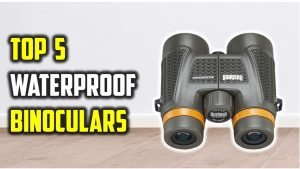
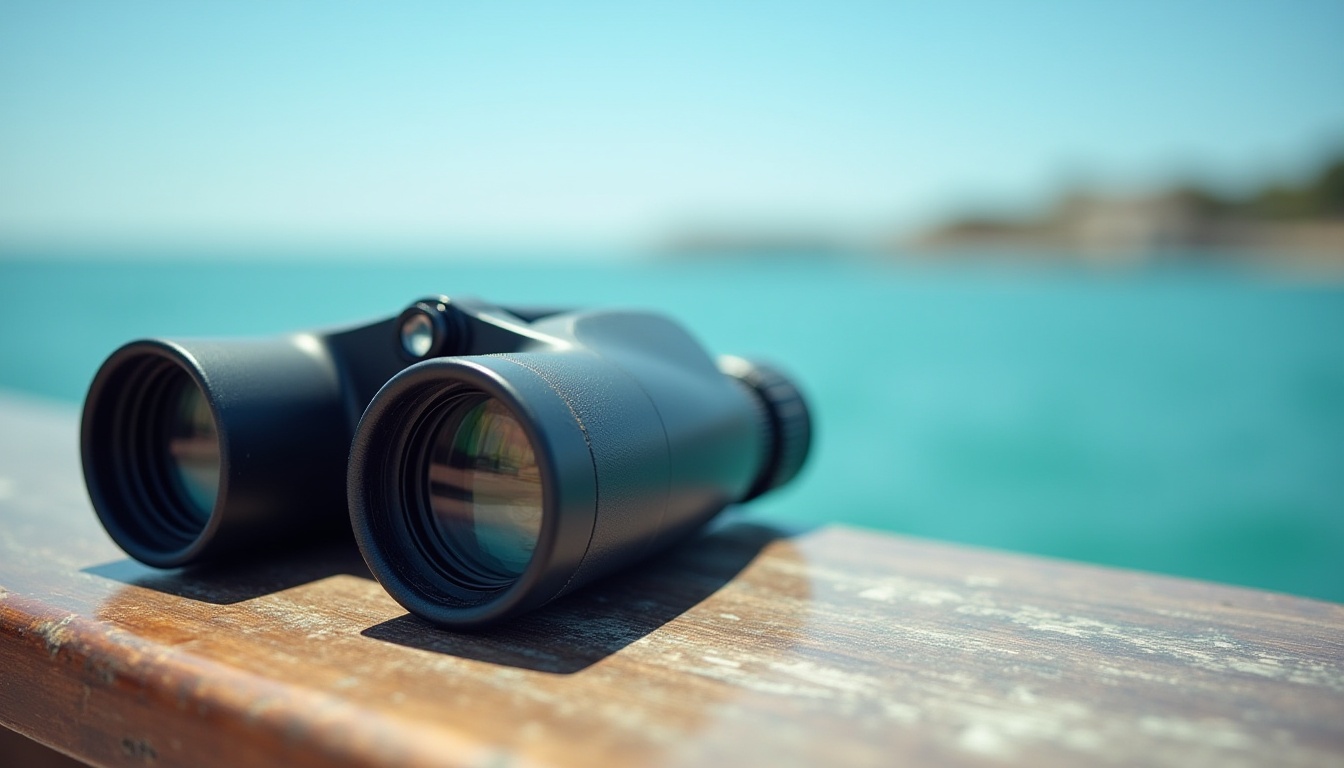
Waterproof binoculars resist water and fog, keeping lenses clear during boating trips. Durable construction and good grip ensure safe use on wet surfaces. Choose models with proper sealing and anti-reflective coatings for the best view on the water.
Waterproof Ratings Explained
Waterproof ratings tell how much water the binoculars can handle. IPX6 means they resist heavy rain. IPX7 means they can go underwater for 30 minutes. Higher ratings mean better protection. Choose a rating that fits your boating needs.
Fog Proof And Lens Coatings
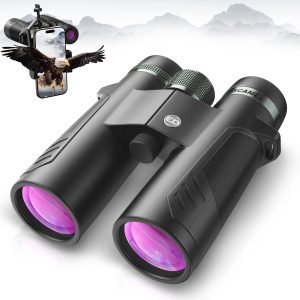
Fog proof binoculars help keep the lenses clear. Special gas inside stops fog. Lens coatings reduce glare and improve clarity. Multi-coated lenses give better image quality. These features are great for boating.
Durability And Build Quality
Strong materials make binoculars last longer. Rubber armor protects against bumps and drops. Waterproof seals keep water out. Metal parts are more durable than plastic. Good build quality means your binoculars will survive outdoor adventures.
Credit: blog.getboat.com
Choosing The Right Magnification And Lens Size
Magnificationaffects how close objects appear. Higher magnification shows more detail but can make images shaky. For boating, a magnification of 7x to 10xis best. It balances detail with a steady view. Too high magnification can cause blurry images due to boat movement.
Lens diameter controls how much light enters the binoculars. Larger lenses mean brighter images, especially in low light. Common sizes for boating are 30mm to 42mm. Bigger lenses help see better at dawn or dusk but make binoculars heavier.
| Feature | Recommended Size | Benefits |
|---|---|---|
| Magnification | 7x – 10x | Clear view, stable image |
| Lens Diameter | 30mm – 42mm | Bright image, good in low light |
Importance Of Eye Relief And Field Of View
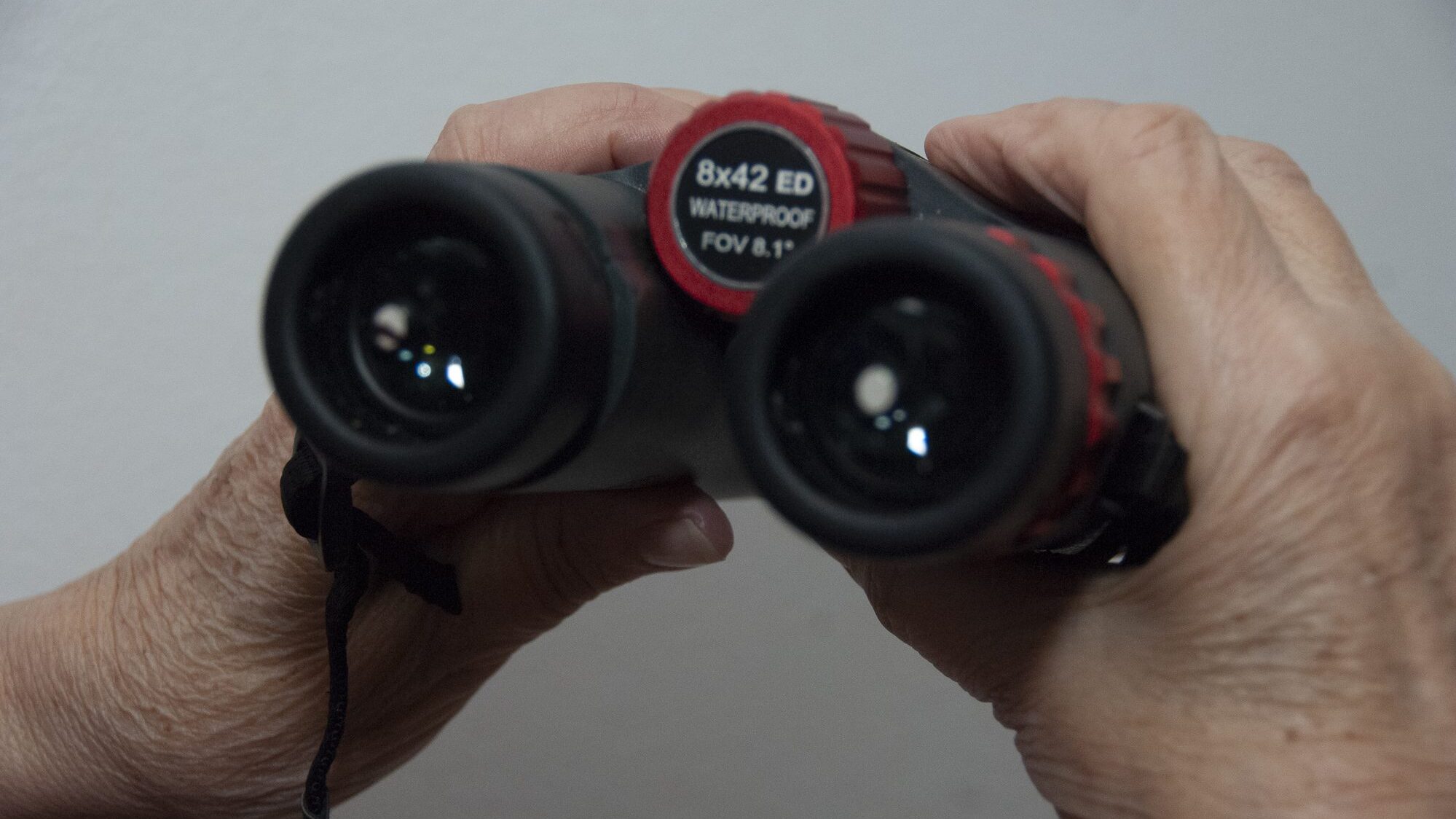
Eye reliefis key for comfortable use, especially for eyeglass wearers. It means the distance between your eyes and the binocular lenses. Longer eye relief lets you see the full view without moving your glasses. This helps avoid eye strain and keeps your vision clear during boating.
A wide field of viewshows more area at once. This is very helpful on water. You can spot birds, boats, or obstacles easily. A wide view also makes it easier to follow moving objects without losing sight of them.
- Long eye relief prevents black edges in vision.
- Wide field of view covers a larger area.
- Both features improve comfort and safety.
Weight And Ergonomics For Extended Use
Lightweight binocularsare easier to carry for long periods. They reduce arm strain during boating trips. Robust designsoffer better protection against bumps and drops. These models may feel heavier but last longer in rough conditions.
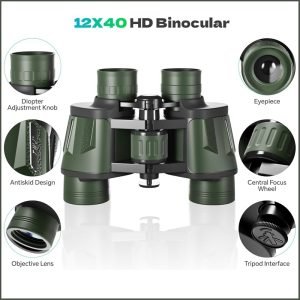
Grip is vital on wet surfaces. Binoculars with rubber-coated bodiesprevent slipping. Some have textured grips that help hold them securely. Look for models designed with ergonomic shapesfor comfort and steady handling.
| Feature | Lightweight Designs | Robust Designs |
|---|---|---|
| Weight | Light, easy to carry | Heavier, built tough |
| Durability | Less impact resistance | High impact resistance |
| Grip | Usually rubber-coated | Textured and firm |
| Handling | Comfortable for long use | Secure but may tire hands |
Additional Features To Consider
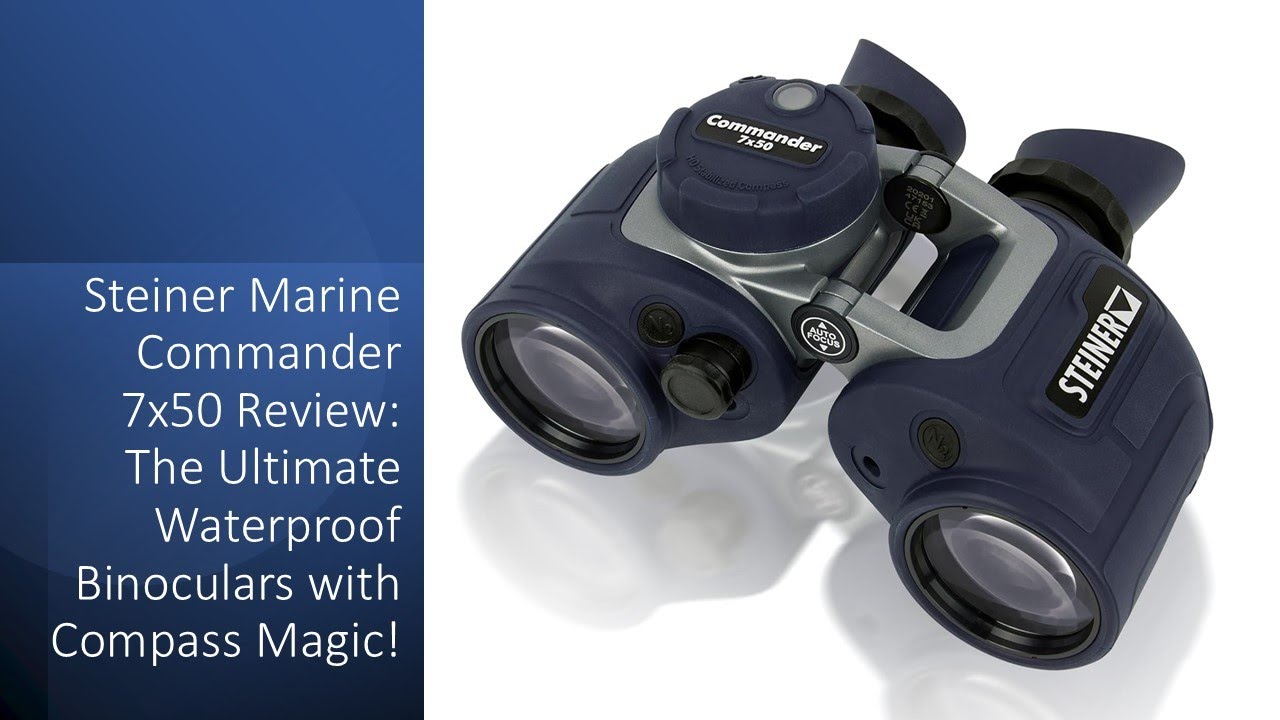
Built-in compasshelps you find your direction easily while boating. It keeps you from getting lost on water. A rangefindershows the distance to objects. This feature can be useful for spotting faraway boats or landmarks.
Floatationkeeps binoculars from sinking if dropped in water. Some models come with tether options. These tethers attach binoculars to your wrist or boat. It prevents loss and keeps them close at hand.
- Compass: shows direction
- Rangefinder: measures distance
- Floatation: prevents sinking
- Tether: secures binoculars to you or boat
Credit: www.youtube.com
Budgeting And Brand Recommendations
Price and performanceoften go hand in hand. Cheaper binoculars may lack durability and clarity. Spending a bit more usually means better waterproofing and sharper views. Consider what features matter most before deciding your budget. Sometimes mid-range options offer the best value.
Top brands offer reliable products known for boating. They focus on waterproof seals, anti-fog lenses, and sturdy builds. Here are some trusted names:
| Brand | Known For | Price Range |
|---|---|---|
| Nikon | Clear optics and solid waterproofing | $$ – $$$ |
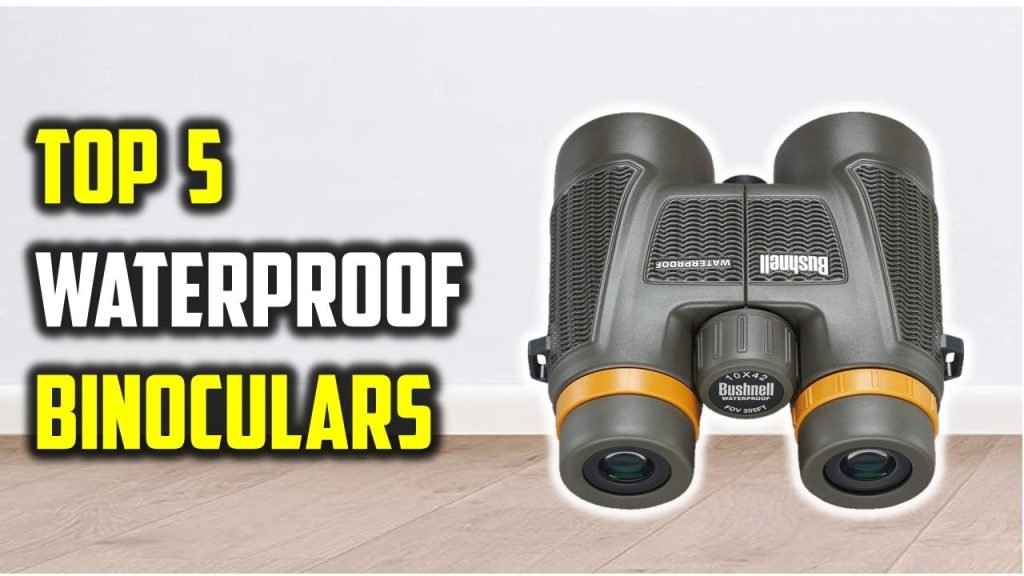
| Bushnell | Good durability and value for money | $ – $$ |
| Steiner | High-quality waterproof and rugged design | $$$ – $$$$ |
| Vortex | Strong build and excellent clarity | $$ – $$$ |
Maintenance Tips For Longevity
Use a soft cloth to clean binocular lenses gently. Avoid harsh chemicals that can damage coatings. Rinse binoculars with fresh water after exposure to saltwater. Dry them thoroughly with a clean, dry cloth. Store binoculars in a cool, dry place away from direct sunlight. Keep them in a protective case to prevent dust and scratches.
Saltwater can cause corrosion if not cleaned promptly. Wipe all metal parts carefully to avoid rust. Use silicone grease on rubber seals to keep them soft and waterproof. Check seals regularly for damage and replace if needed. Proper care extends the life of your binoculars and keeps them working well.
Credit: bringbinoculars.com
Frequently Asked Questions
What Makes Binoculars Waterproof For Boating Use?
Waterproof binoculars have sealed O-rings and nitrogen or argon purging. These features prevent water, dust, and fog inside the lenses, ensuring clear vision in wet conditions. They are essential for boating to protect optics from splashes and humidity.
How To Choose The Right Waterproof Rating?
Look for an IPX7 or higher rating for boating. IPX7 means binoculars can withstand immersion up to 1 meter for 30 minutes. This rating ensures durability and reliability during water exposure while boating.
What Magnification Is Ideal For Boating Binoculars?
A magnification of 7x to 10x is ideal for boating. It balances a wide field of view and image stability. Higher magnification can cause shaky images and narrow views, making navigation difficult on water.
Why Is Lens Coating Important In Waterproof Binoculars?
Lens coatings reduce glare and increase light transmission. This improves image clarity and brightness in low light or bright sunlight. For boating, anti-reflective coatings enhance visibility and reduce eye strain.
Conclusion
Choosing the right waterproof binoculars makes boating safer and more fun. Focus on clarity, durability, and comfort. Check for fog resistance and a good grip. Size and weight matter on the water. Trust your needs and budget to guide you.
With the right pair, enjoy every boating trip clearly and confidently. Keep these tips in mind, and find binoculars that fit you best. Simple steps lead to better adventures on the water.