Have your hiking binoculars stopped working just when you needed them most? It’s frustrating to miss out on breathtaking views or spotting wildlife because your gear is damaged.
But before you think about buying new ones, what if you could fix your binoculars yourself? You’ll discover simple, effective steps to repair your hiking binoculars and bring them back to life. Keep reading—you’ll be surprised how easy it is to save your favorite outdoor companion and keep your adventures going strong.
Common Binocular Issues
Damaged hiking binoculars often suffer from cracked lenses, loose parts, or fogging inside. Cleaning lenses gently and tightening screws can restore function. Replacing broken components helps extend their lifespan during outdoor adventures.
Lens Scratches And Cracks
Scratches on lenses blur the view. Cracks can worsen visibility. Use a soft cloth to clean the lenses. Avoid harsh chemicals or rough cloths. For deep scratches, replace the lens. Cracked lenses need professional repair. Protect lenses with lens caps when not in use.
Misaligned Optics
Misaligned optics cause double vision. Adjust the alignment screws carefully. Follow the manual instructions. Incorrect adjustments can worsen the issue. Test the view after each adjustment. If problems persist, consult a professional.
Damaged Focus Mechanism
Focus issues make images blurry. Check the focus wheel for debris. Clean gently with a soft brush. Avoid using force when turning the wheel. If it’s still stuck, seek professional help.
Loose Or Broken Eyecups
Loose eyecups can fall off easily. Tighten them by turning clockwise. Replace broken eyecups with new ones. Ensure the new eyecups fit properly. Always handle eyecups gently.
Water Damage And Fogging
Water can enter and fog the lenses. Dry binoculars with a soft cloth immediately. Store them in a dry place. Use silica gel packets to absorb moisture. For severe fogging, professional cleaning may be needed.
Tools Needed For Repairs
Basic tools like a small screwdriver, lens cleaning cloth, and glue are essential for fixing hiking binoculars. Having a soft brush and tweezers helps handle tiny parts carefully. These items make repairs easier and protect delicate lenses.
Basic Repair Kit
- Small screwdriversfor tiny screws.
- Tweezersto handle small parts carefully.
- Gluesafe for plastic and metal.
- Soft clothto wipe surfaces gently.
Specialized Optical Tools
- Lens spanner wrenchto open lens rings.
- Optical cleaning brushesto remove dust.
- Lens alignment toolsfor proper focus.
Cleaning Supplies
- Lens cleaning solutionto remove smudges.
- Microfiber clothsfor scratch-free cleaning.
- Air blowerto clear dust safely.
Fixing Scratched Or Cracked Lenses
First, check the lens surfacecarefully. Look for deep cracks or small scratches. Use a bright light to spot any damage. If the cracks go through the lens, the lens may need replacement. Small scratches might be fixed at home.
Try these DIY scratch removal techniques:
- Clean the lens with a soft cloth and lens cleaner.
- Use a small amount of toothpaste on a soft cloth.
- Gently rub the toothpaste on the scratched area in a circular motion.
- Wipe off with a damp cloth and dry carefully.
- Repeat if scratches are still visible but do not overdo it.
Replace lensesif cracks blur your view or if scratches are deep. Damaged lenses can harm your eyes or binoculars. Contact the manufacturer or a repair shop for lens replacement. Using the right parts keeps binoculars safe and clear.
Realigning Binocular Optics
Damaged binoculars often show blurred or double images. This happens due to misalignment of optics. Another sign is eye strainafter short use. Uneven focus between lenses also hints at misalignment.
Start by loosening the screws near the eyepieces carefully. Adjust each barrel slowly to line up the images. Use a distant object to check alignment. Tighten the screws once images merge into one clear view.
Test the accuracy by looking at various objects. Check if both eyes see the same image. Adjust again if you see any shift or blur. Repeat until the view is sharp and clear for both eyes.
Repairing Focus Mechanism
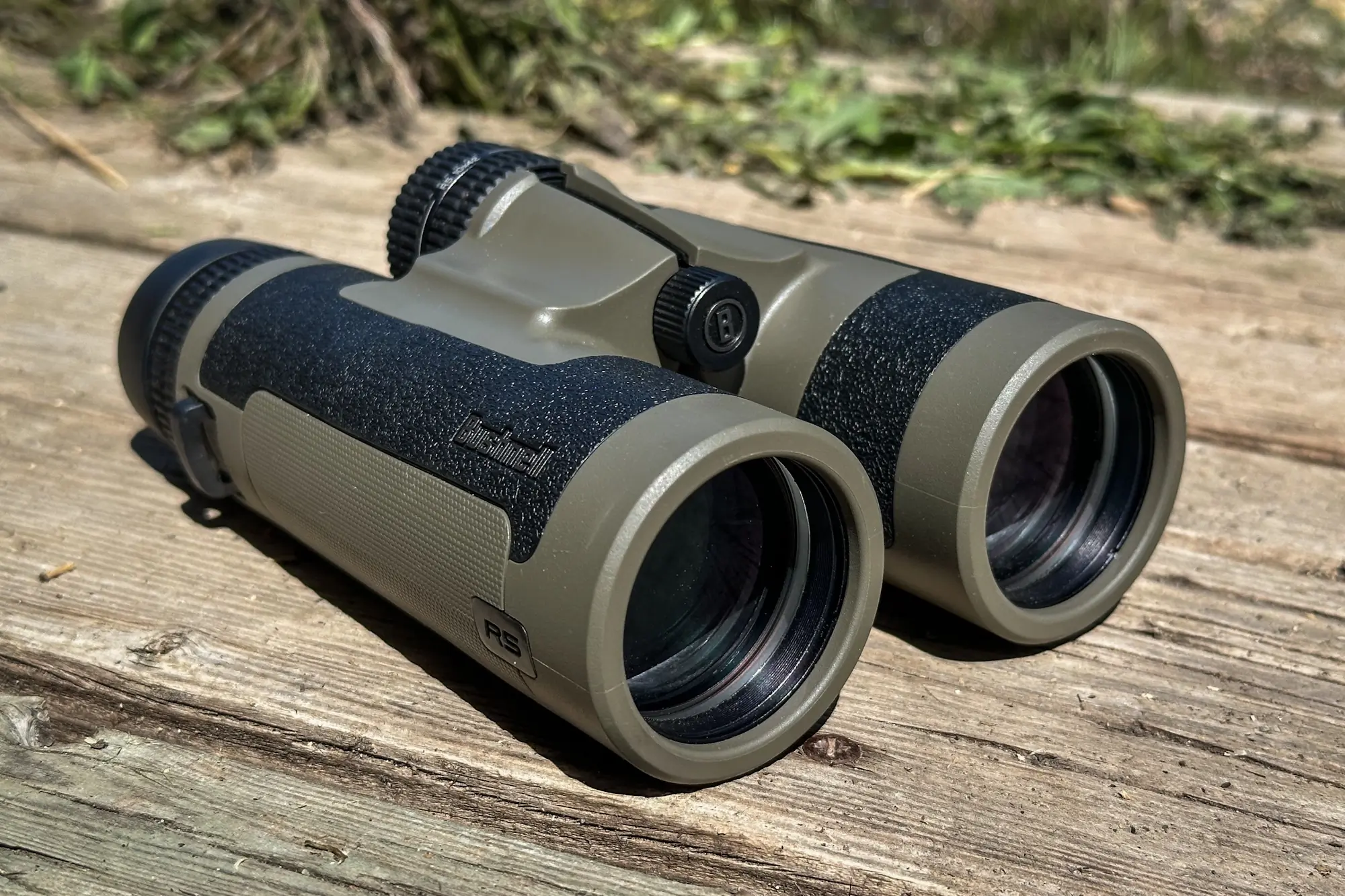
Focus problems in hiking binoculars often show as blurry or stuck lenses. Check if the focus wheel moves smoothly or feels tight. Sometimes dirt or grit blocks the movement.
Cleaning the focus mechanism helps it work better. Use a small brush or soft cloth to remove dust. Apply a tiny drop of light lubricant to the wheel’s moving parts. Avoid using too much oil to stop dirt build-up.
Broken parts like springs or gears need replacement. Use parts that fit your binocular model exactly. Carefully open the casing with the right tools to avoid damage. Replace the faulty parts and test the focus wheel again.
Credit: gearjunkie.com
Fixing Eyecups And Exterior Parts
Loose eyecups can make your binoculars hard to use. Gently clean the area where the eyecup attaches. Use a small amount of strong glue or double-sided tape to reattach the eyecup. Hold it firmly until it sets.
Rubber coatings protect your binoculars from damage. Small tears can be fixed with rubber repair glue. For large damage, replace the rubber coating by carefully peeling off the old layer. Use new rubber sheets cut to size and stick them on.
Loose screws and hinges cause parts to wobble or fall off. Tighten screws using a small screwdriver. If screws are missing, buy replacements at a hardware store. Apply a drop of thread locker to keep screws tight. Check hinges and tighten or replace as needed to keep parts moving smoothly.
Dealing With Water Damage
Water inside binoculars can cause serious damage. Start by opening all accessible parts. Use a soft cloth to wipe away visible water. Place the binoculars in a dry area with good air flow. Avoid using direct heat like hair dryers. Silica gel packets can help absorb moisture faster.
To stop fogging, keep lenses clean and dry. Store binoculars in a sealed case with moisture absorbers. Avoid sudden temperature changes that cause condensation. Anti-fog sprays or wipes can be useful but choose ones made for optics.
| Sealing and Waterproofing Tips |
|---|
| Check rubber seals and replace if cracked or loose. |
| Use waterproof tape on small cracks to prevent leaks. |
| Apply silicone grease on seals to keep them flexible. |
| Store binoculars in waterproof bags during wet weather. |
| Regularly inspect and maintain seals for long-term protection. |

Credit: www.facebook.com
Maintenance Tips To Avoid Future Damage
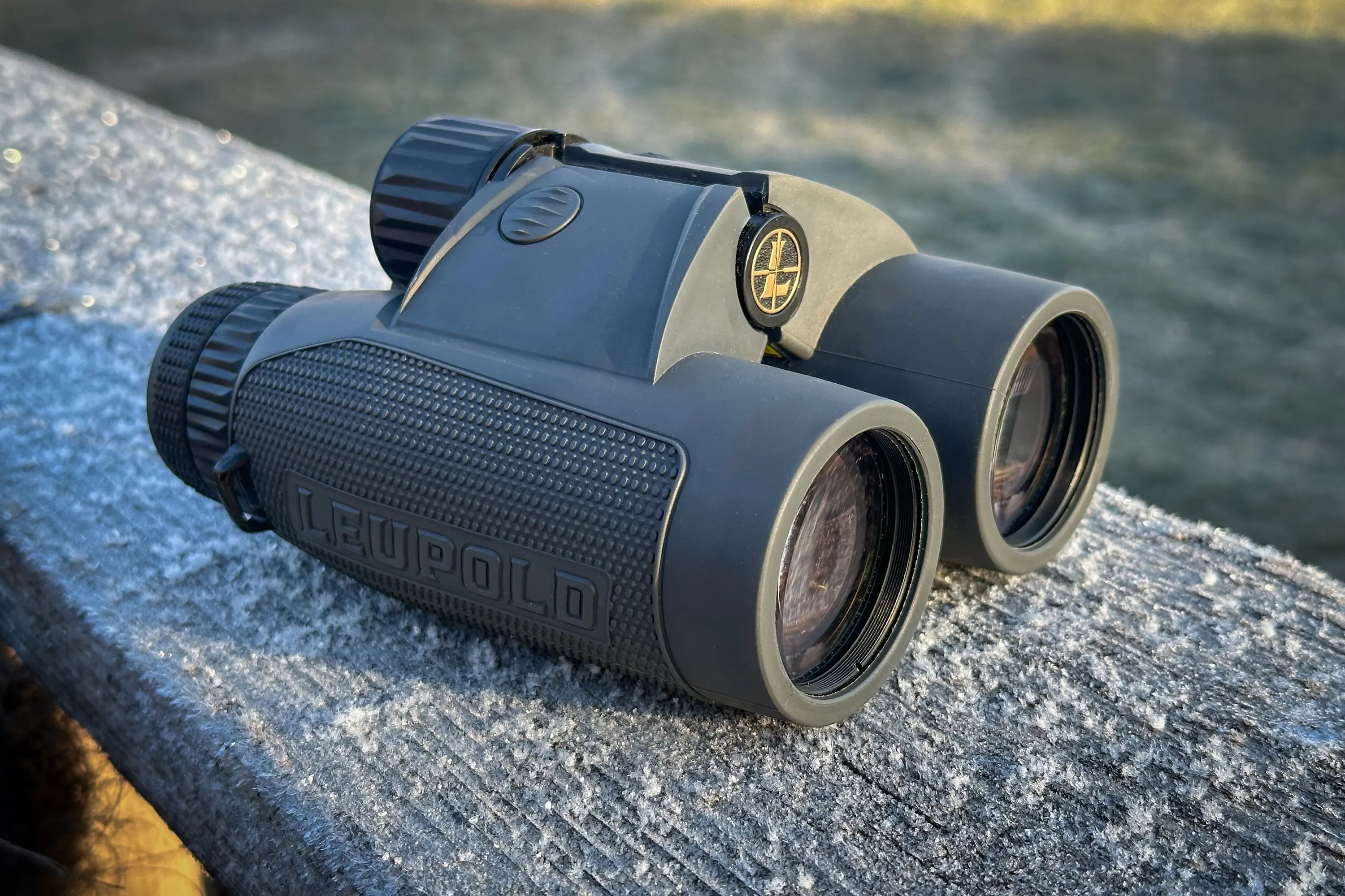
Proper storagekeeps binoculars safe from dust and moisture. Store them in a padded caseto protect from drops. Keep them in a cool, dry placeaway from direct sunlight. Avoid places with high humidity to stop mold growth on lenses.
A regular cleaning routinehelps maintain clear vision. Use a soft, lint-free cloth to wipe lenses gently. Avoid using harsh chemicals; a special lens cleaner is best. Clean lenses only when needed to prevent scratches.
Handling and transportrequire care. Always use a neck strap to avoid dropping. Carry binoculars in a secure case during travel. Avoid shaking or banging them against hard surfaces.
Credit: gearjunkie.com
Frequently Asked Questions
How Can I Fix Scratched Lenses On Hiking Binoculars?
To fix scratched lenses, use a lens repair kit or a mild abrasive polish. Clean lenses gently with a microfiber cloth. Deep scratches may require professional servicing to restore clarity and performance.
What Should I Do If My Binoculars Have Foggy Lenses?
Foggy lenses can be cleared by drying the binoculars in a warm, dry place. Use silica gel packets to absorb moisture. For persistent fogging, consider professional anti-fog treatment or replacement of lens seals.
How Do I Realign Misaligned Binocular Lenses?
Realign lenses by gently loosening the hinge and adjusting the barrels until images merge. Avoid forcing parts to prevent damage. If misalignment persists, seek professional repair to ensure proper alignment and focus.
Can I Repair Cracked Binocular Eyecups Myself?
Minor cracks in eyecups can be fixed using strong adhesive or replaced with compatible parts. For extensive damage, purchasing new eyecups or professional replacement is recommended to maintain comfort and usability.
Conclusion
Damaged hiking binoculars do not mean the end of your adventure. Small fixes can bring them back to life quickly. Clean lenses carefully and check for loose parts. Tighten screws and replace broken pieces as needed. Protect your binoculars with a sturdy case afterward.
Regular care helps prevent future damage too. You can enjoy clear views again on your hikes. Simple repairs save money and reduce waste. Keep your binoculars ready for every outdoor trip.