Have you ever struggled to get a clear view through your binoculars because the eyecups just won’t stay in place? Those tiny adjustment screws might seem small, but they play a big role in your comfort and focus.
If your binocular eyecup adjustment screws are loose, stuck, or broken, it can ruin your whole experience. The good news? Fixing them is easier than you think. You’ll discover simple, step-by-step tips to repair your eyecup adjustment screws and get your binoculars working like new again.
Keep reading to regain sharp views and ultimate comfort every time you look through your lenses.
Tools Needed
Repairing binocular eyecup adjustment screws requires specific tools. First, get a small screwdriver. It should fit the screw size perfectly. Precision screwdrivers are best for small screws. Tweezers can help in handling tiny parts. Sometimes, you need a magnifying glass. It helps to see small details clearly. Cleaning cloths are essential. They keep lenses and parts dust-free. Lubricant may be needed for smooth movement. Keep a safe container for screws and tiny parts. This prevents loss during repairs.
Identifying The Problem
Eyecup screws on binoculars may become loose or stuck. This causes trouble in adjusting the eyecups. Sometimes, screws get rusty or worn out from use. Dirt or dust can block the screw threads, stopping smooth movement.
Look for these signs:
- Eyecups do not turn or move easily.
- Screws look rusty or bent.
- Eyecups wobble or feel loose.
- Screw heads are stripped or damaged.
- Eyecups do not stay in place after adjusting.
These problems affect comfort and clear vision. Fixing or replacing the screws can help. Careful cleaning and checking the screws helps avoid bigger damage.
Removing The Eyecup
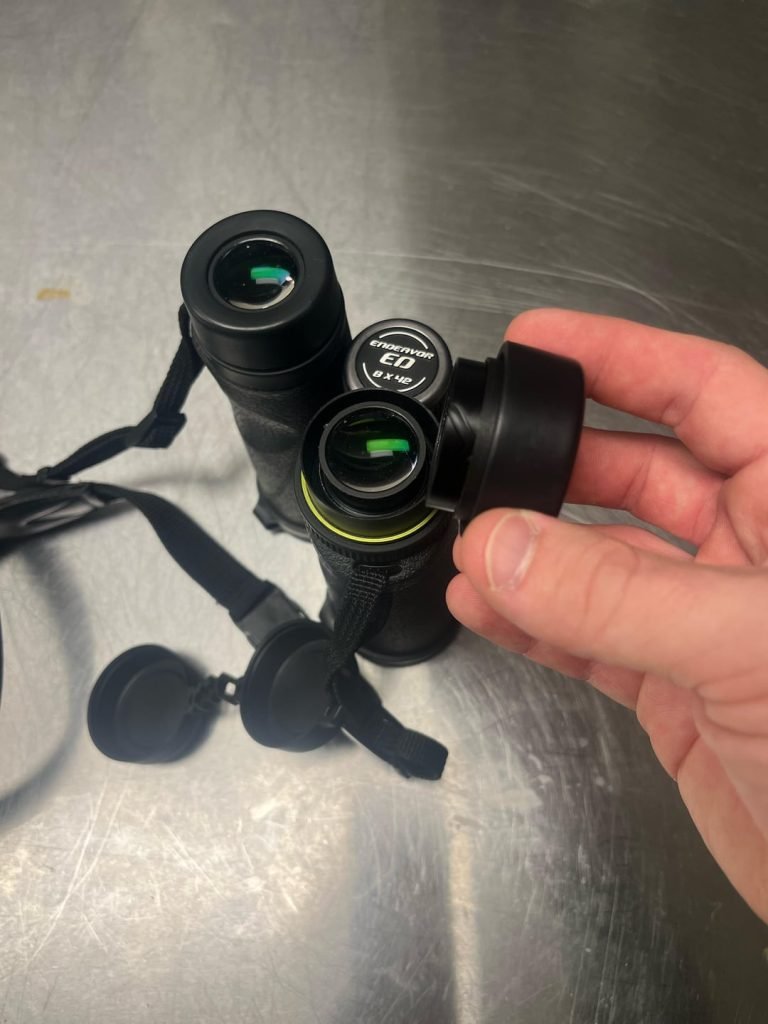
Eyecups can be removed by gently twisting or pulling them away. Avoid using too much force. The eyecup should come off smoothly without damage. Some eyecups may have small screws securing them. Use a small screwdriver to loosen screws if needed. Keep screws in a safe place to avoid losing them.
Hold the binocular firmly to prevent dropping. Work on a soft surface like a towel to protect the lenses. Clean hands help avoid dirt or oil on the lenses. Avoid sharp tools that can scratch the binocular body or lens area.
- Do not force the eyecup off.
- Use the correct screwdriver size.
- Work in a well-lit area.
- Keep small parts organized.
- Handle lenses carefully to avoid scratches.

Credit: mavenbuilt.com
Fixing Loose Screws
Loose screws in binocular eyecups can cause discomfort and poor focus. Start by gently tightening the screws with a small screwdriver. Avoid overtightening to prevent damage to the eyecup or threads.
Thread lockers are useful for keeping screws from loosening again. Apply a tiny drop of thread locker to the screw threads before tightening. This helps the screws stay in place but allows for future adjustments.
- Use a small amount of thread locker for best results.
- Let the thread locker dry fully before using the binoculars.
- Check screw tightness regularly to maintain comfort and focus.
Replacing Damaged Screws
Damaged binocular eyecup adjustment screws can be replaced by carefully removing the old screw and fitting a new one of the same size. Using small tools ensures precision and avoids further damage during the process. Proper replacement restores smooth eyecup movement and comfort.
Finding Compatible Screws
Binocular eyecup screws come in different sizes and types. Measure the old screw length and diameter carefully. Look for screws made from rust-resistant materials like stainless steel. Match the thread type to avoid damage. Check the binocular brand for specific screw recommendations. Using the wrong screw can cause more damage or poor eyecup fit.
Installation Tips
- Use a small screwdriver that fits the screw head perfectly.
- Turn screws gently to avoid stripping the threads.
- Clean the screw holes before inserting new screws.
- Do not overtighten; it can crack the eyecup frame.
- Test the eyecup movement after installation for smooth adjustment.

Credit: www.facebook.com
Cleaning And Lubricating
Use soft cloth or cotton swabs for cleaning. Avoid harsh chemicals. Mild soap and water work well. Dry parts carefully to stop rust.
Lubricate screws with light oil or silicone grease. Too much oil can attract dust. Apply a small drop only. Turn screws gently to spread lubricant.
| Material | Purpose | Notes |
|---|---|---|
| Soft cloth | Wipe dirt and dust | Non-abrasive, gentle |
| Cotton swabs | Clean tight spots | Use with mild soap |
| Mild soap | Remove grease and grime | Diluted in water |
| Light oil | Lubricate screws | Use sparingly |
| Silicone grease | Prevent rust and friction | Apply in small amounts |
Reassembling The Eyecup
Carefully place the eyecup components in their original positions. Make sure the screw holesline up perfectly. This helps avoid any damage or misalignment during reassembly. Gently press the eyecup onto the binocular body, ensuring it fits snugly without forcing it.
Check that the adjustment screwsare seated properly in their slots. Tighten them slowly and evenly to keep parts aligned. Avoid over-tightening to prevent stripping the screw threads.
- Test the eyecup movement by turning the adjustment screws.
- Confirm smooth and firm eyecup extension and retraction.
- Look for any wobbling or loose parts.
- Make final small tweaks to screw tightness if needed.
Proper alignment and secure screws ensure comfortable use and long-lasting repair.

Credit: www.facebook.com
Maintenance Tips
Check your binocular eyecup screws regularly to keep them tight. Loose screws can cause parts to move or fall off. Use a small screwdriver to gently tighten any loose screws. Avoid overtightening to prevent damage.
Look for dirt or rust around the screws. Clean them with a soft cloth or a small brush. Keep the eyecups dry to stop rust from forming. Store binoculars in a dry place after use.
- Handle binoculars with care to avoid bending screws.
- Do not force the eyecups if they are hard to adjust.
- Use protective covers when not in use.
- Regularly check screws and clean any dust or dirt.
Frequently Asked Questions
How Do I Fix Loose Binocular Eyecup Screws?
To fix loose eyecup screws, tighten them gently with a precision screwdriver. Avoid over-tightening to prevent damage. If screws are stripped, replace them with matching ones for a secure fit.
What Tools Are Needed To Adjust Eyecup Screws?
You need a small precision screwdriver set, preferably with flat and Phillips heads. A magnifying glass and tweezers can help with tiny screws. Always use the right-sized tool to avoid damaging the screws.
How Can I Prevent Eyecup Screw Damage?
Avoid forcing the screws when adjusting. Use proper tools and apply gentle pressure. Store binoculars in a protective case to prevent accidental impacts that may loosen or damage eyecup screws.
When Should I Replace Binocular Eyecup Screws?
Replace screws if they are stripped, corroded, or missing. Damaged screws can cause eyecups to loosen or fall off, affecting viewing comfort and binocular functionality.
Conclusion
Fixing binocular eyecup adjustment screws can improve your viewing comfort. Small repairs save you money and extend your binoculars’ life. Take your time and follow steps carefully. Clean parts gently to avoid damage. Test adjustments often to find the right fit.
Regular care keeps your binoculars working well. Enjoy clear, sharp views on your next adventure. Simple fixes make a big difference. Keep your binoculars ready for every use.