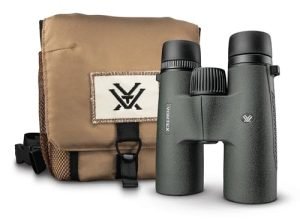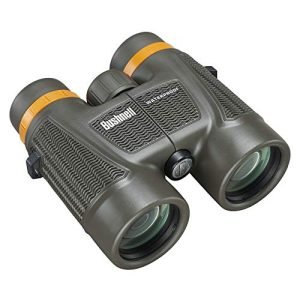
If you love watching wildlife, you know how important your binoculars are. They bring every detail closer and make your experience unforgettable.
But what happens when your binoculars get scratched? Those tiny marks can ruin the view and reduce their value. You want to keep your gear in perfect shape, right? You’ll discover simple and effective ways to protect your wildlife binoculars from scratches.
By the end, you’ll know exactly how to keep your binoculars looking and working like new for years to come. Keep reading to learn the secrets that every nature lover should know!

Credit: www.youtube.com
Choose The Right Case
Choosing a sturdy, padded case keeps wildlife binoculars safe from scratches and bumps. A snug fit prevents movement inside the case, reducing damage risk. Durable materials offer extra protection during outdoor adventures.
Hard Cases Vs Soft Cases
Protecting your binoculars from scratches is crucial. Hard cases offer strong protection. They resist impacts and keep your binoculars safe. Soft cases are lighter and easy to carry. They may not be as tough. Choose based on your needs and the environment.
Waterproof And Shockproof Options
Waterproof cases keep moisture out. They protect your binoculars in wet conditions. Shockproof cases absorb impacts. They help when dropping or bumping occurs. Both options are valuable for outdoor adventures. Ensuring your binoculars stay safe is important.
Use Lens Covers
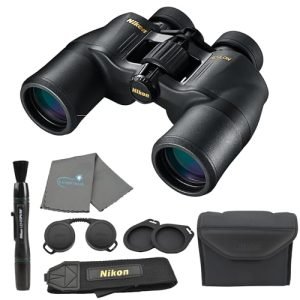
Lens covers protect binoculars from scratches, dust, and dirt. They keep the lenses cleanand safe during travel or storage.
| Type of Lens Cover | Description | Best Use |
|---|---|---|
| Soft Caps | Made of fabric or rubber, fit snugly over lenses. | Short trips or light protection. |
| Hard Caps | Plastic or metal covers that snap on securely. | Heavy protection during transport. |
| Flip-up Covers | Attached covers that flip open easily. | Quick use without removing cover. |
Use covers whenever binoculars are not in use. Protect lenses during hiking, travel, or storage. Covers prevent scratches from keys, rocks, or dirt. Removing covers only when ready to use helps keep lenses clear and safe.
Clean Properly
Use only soft, lint-free clothsto clean your binocular lenses. Avoid rough materials that can cause scratches. Microfiber clothswork best for gentle cleaning.
Choose safe cleaning solutionslike lens cleaning sprays made for optics. Never use household cleaners or alcohol as they can damage lens coatings.
- Blow away dust using a soft brush or air blower.
- Apply a small amount of lens cleaner to the cloth, not directly on lenses.
- Gently wipe the lenses in a circular motion to remove smudges.
- Dry the lenses with a dry part of the cloth to avoid streaks.
Handle With Care
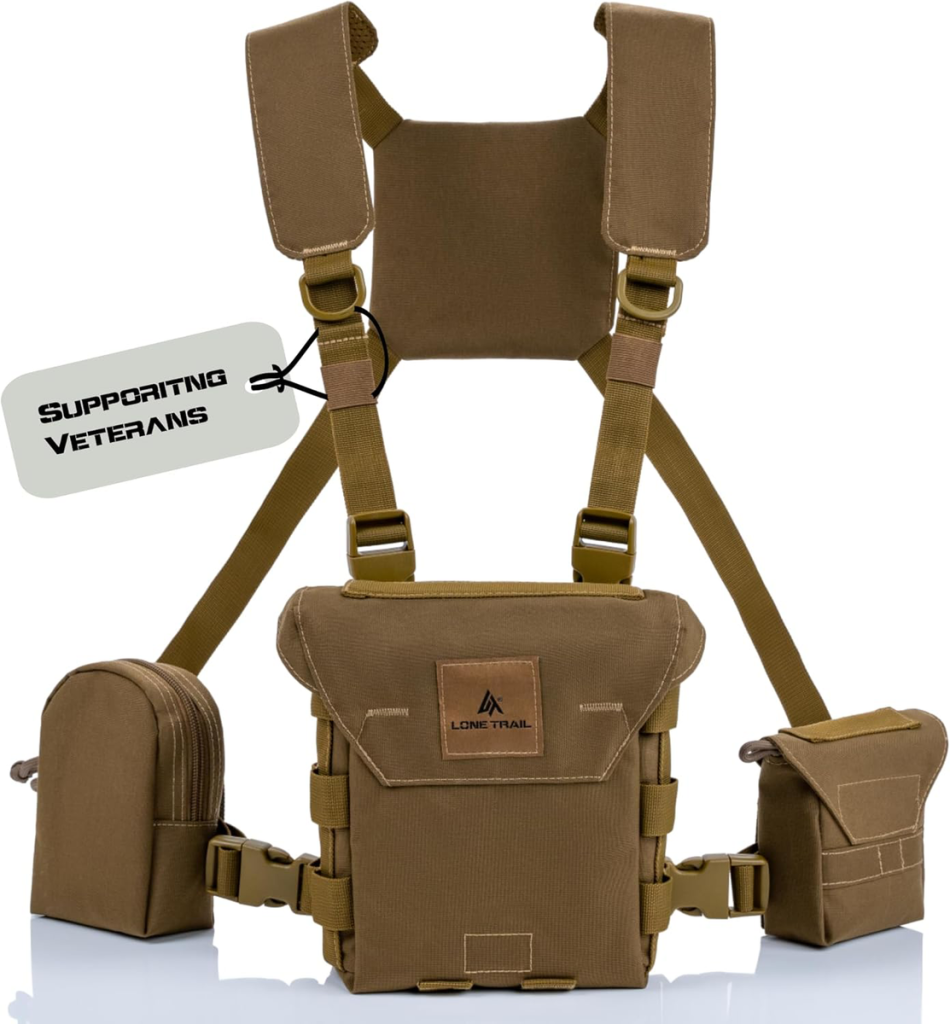
Always hold your binoculars with both handsto keep them steady. Use a neck strapor harness to avoid dropping them. Carrying binoculars in a padded casegives extra protection from scratches and bumps.
Avoid placing binoculars on rough or hard surfaces. These can cause scratcheson the lenses and body. Use a soft cloth or pouch as a buffer when setting them down. Keep binoculars away from dirt and sand, which can scratch the glass.
Apply Protective Coatings
Anti-scratch coatingsform a thin, clear layer on binocular lenses. This layer helps prevent small scratches from daily use. Some coatings also repel water and dust. They keep the lenses clean and clear for better viewing. These coatings are often applied by manufacturers. But some kits allow you to add extra layers at home.
DIY protective filmsare thin, transparent sheets you can stick on lenses. They act as a shield against scratches and dirt. These films are easy to apply and remove without leaving marks. Replace them when they get damaged to keep lenses safe. Many films are designed to not affect image quality.
| Type | Benefits | Drawbacks |
|---|---|---|
| Anti-Scratch Coatings | Permanent, water and dust repellent | Usually applied only by manufacturers |
| DIY Protective Films | Easy to apply, removable, cost-effective | Needs regular replacement |

Credit: gearjunkie.com
Store In Safe Places
Storing binoculars properly helps keep lenses clear and free from scratches. Choose a dry, dust-free placeto avoid dirt buildup. Soft cases with padding offer good protection during storage. Avoid placing binoculars where they might get knocked over or dropped.
| Storage Environment | Why It Is Ideal |
|---|---|
| Cool and dry spot | Prevents moisture and mold on lenses |
| Soft case or padded bag | Protects against bumps and scratches |
| High shelf or secure drawer | Keeps binoculars safe from accidental drops |
Avoid keeping binoculars in places with extreme heat or cold. Extreme heat can damage the lens coating. Cold can cause fogging or condensation inside. Sudden temperature changes may also harm the binocular’s parts.
Regular Maintenance Checks
Regular checks help catch small problems early. Look closely for scratches, cracks,or dust. Clean lenses gently using a soft clothmade for optics. Avoid using rough materials that can cause damage. Keep the binoculars in a protective casewhen not in use. This prevents dirt and scratches.
Professional servicing helps keep binoculars in top shape. Experts can clean inside parts and fix hard-to-see damage. It is smart to have a professional check your binoculars once a year. This keeps the lenses clear and working well. Ask about the service cost before sending your binoculars.

Credit: mohonkpreserve.medium.com
Frequently Asked Questions
How Can I Prevent Scratches On Wildlife Binocular Lenses?
Use lens caps when not in use and store binoculars in a padded case. Clean lenses gently with a microfiber cloth to avoid scratches.
What Materials Protect Binoculars From External Damage?
Silicone or neoprene covers provide excellent protection. These materials absorb shocks and prevent scratches during outdoor use.
Is Carrying Binoculars In A Bag Safe?
Yes, but ensure the bag has a dedicated padded compartment. Avoid placing heavy items on top to prevent pressure damage.
How Often Should I Clean Wildlife Binocular Lenses?
Clean lenses only when necessary to avoid abrasion. Use a soft brush or air blower first, then a microfiber cloth for final cleaning.
Conclusion
Protecting your wildlife binoculars from scratches keeps them clear and sharp. Use a soft cloth to clean lenses gently. Store them in a padded case when not in use. Avoid placing binoculars on rough or hard surfaces. Regular care extends the life of your binoculars.
Small steps make a big difference. Enjoy nature with clear, scratch-free views every time. Keep your binoculars safe and ready for your next adventure. Simple habits protect your gear well.