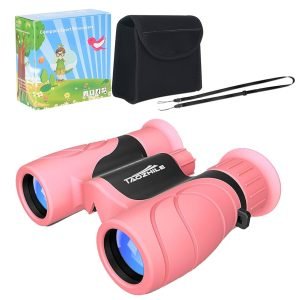
If you love birdwatching, you know how important it is to have your monocular ready and protected. But packing it the wrong way can lead to scratches, damage, or even losing it during your trip.
Imagine missing that perfect bird sighting because your gear wasn’t packed right. You’ll discover simple, effective tips to pack your monocular safely and conveniently. Keep reading to make sure your birdwatching trips go smoothly and your gear stays in top shape.
Choosing The Right Monocular
Size and weightmatter for easy carrying during birdwatching trips. Choose a monocular that feels comfortable in your hand and won’t tire you quickly.
Magnification powerhelps you see birds clearly but higher power may cause shakiness. A 6x to 10x zoom is often enough for birdwatching.
Check the lens quality. Bright, clear images come from good glass with coatings that reduce glare and improve light.
Look for waterproof and fog-prooffeatures. They protect your monocular in wet or cold weather.
| Brand | Popular Model | Key Features |
|---|---|---|
| Vortex | Solo 8×36 | Good brightness, waterproof, compact size |
| Nikon | Monarch 7 10×30 | Sharp image, lightweight, durable |
| Zeiss | Victory Pocket 8×25 | High clarity, small and handy |
| Bushnell | Legend Ultra HD 10×42 | Bright view, waterproof, good grip |
:max_bytes(150000):strip_icc()/tal-athlon-optics-8x42-midas-uhd-binoculars-signe-bamsey-ben-wanamaker-09-1-8caa644274c046f78e4cc47a08bb9750.jpeg)
Credit: www.travelandleisure.com
Protective Cases And Covers
Different types of casesprotect your monocular on birdwatching trips. Soft cases are lightweight and easy to carry. They offer basic protection against scratches and dust. Hard cases provide strong protection from drops and bumps. They are bulkier but keep your gear safe.
Material plays a big role in case durability. Neoprene is stretchy and water-resistant, good for light use. Nylon cases are tough and resist tears. Plastic or metal hard cases offer maximum protection but are heavier.
| Case Type | Material | Protection Level | Weight |
|---|---|---|---|
| Soft Case | Neoprene, Nylon | Basic scratch and dust | Light |
| Hard Case | Plastic, Metal | Strong drop and bump | Heavy |
Choose a case based on how much protection you need. Consider weight for easy carrying during long hikes.
Cleaning And Maintenance
Use a soft microfiber clothto clean lenses gently. Avoid rough materials that may scratch the glass. A lens cleaning solutionhelps remove stubborn dirt. Keep a small brush or air blowerhandy to remove dust from crevices. A cleaning kitwith these tools fits well in your binocular case.
Check your monocular regularly for dirt and moisture. Wipe the body with a dry cloth to keep it clean. Store it in a dry, padded caseto protect from bumps. Avoid touching lenses with fingers to prevent smudges. Keep the lens caps on when not in use to avoid dust.

Credit: www.celestron.com
Packing Techniques
Secure the monocularby wrapping it in a soft cloth or padded case. This protects it from scratches and bumps. Use a small bag with a zipper to keep dirt and dust away. Avoid placing heavy items on top to prevent damage.
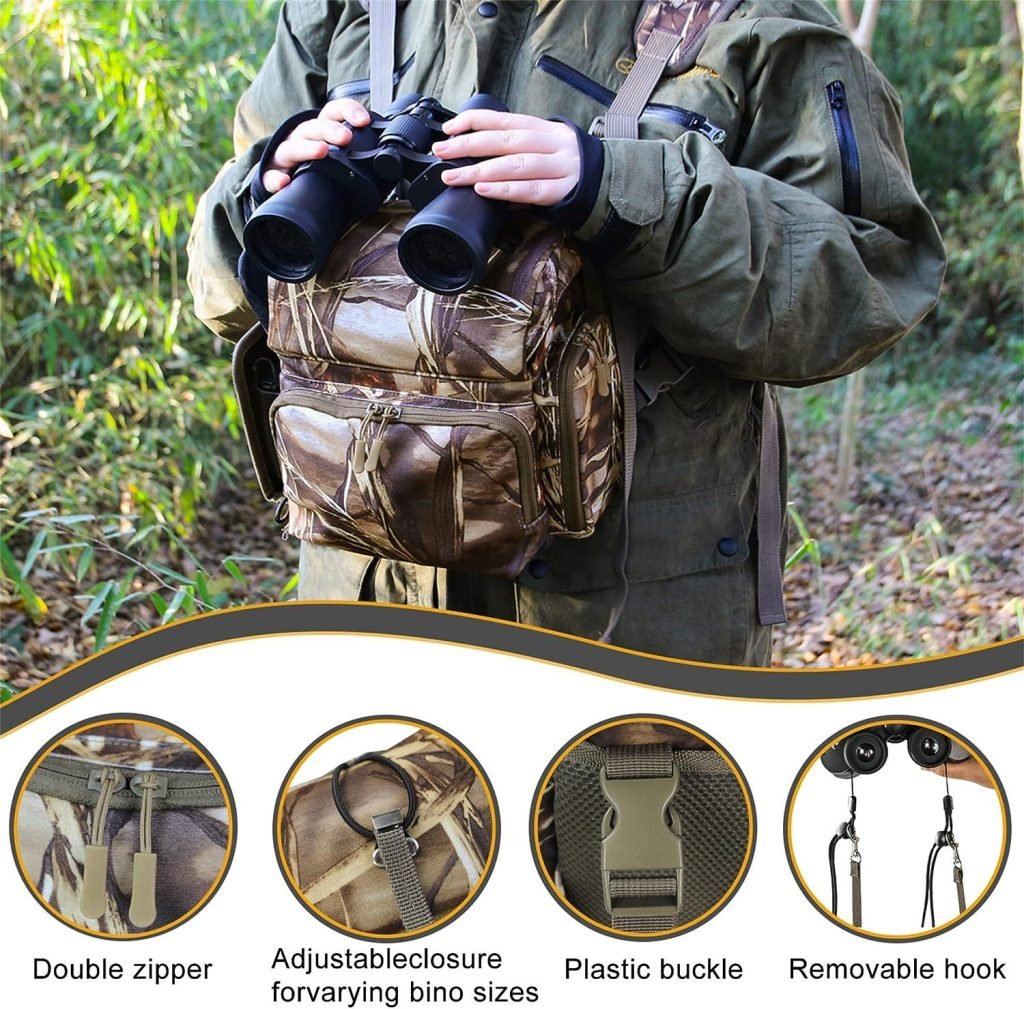
Use straps or elastic bands inside your bag to hold the monocular in place. This stops it from moving during travel. A dedicated compartment in your backpack works best for extra safety.
- Pack the monocular close to your body for better balance.
- Keep it easily reachable for quick use.
- Remove any lenses caps and store them separately.
Space-saving tipsinclude using small pouches for accessories like lens cloths. Compress soft items around the monocular to fill gaps and avoid shifting. Rolling clothes instead of folding saves room and cushions the monocular.
Travel Safety Tips
Keep your monoculars in a padded caseto avoid damage. Use a lockable bagfor extra safety. Carry them close to your body to prevent theft. Avoid leaving them in plain sight inside vehicles.
Secure your equipment with a strapto stop accidental drops. Check the bag’s zippers often to keep them closed tightly. Choose bags made from water-resistant materialsfor protection against rain.
- Keep monoculars in carry-on luggage during flights.
- Label your gear with your contact details.
- Use silica gel packets to keep moisture away.
- Clean lenses carefully before packing.
Weather Considerations
Moisture can damage your monocular quickly.Use a waterproof case to keep it dry. Wrap it in a soft, absorbent cloth inside the case. Carry silica gel packets to absorb any dampness. Avoid placing the monocular where it can get wet or sweaty.
Temperature changes can cause fog inside lenses.Let your monocular adjust slowly to outdoor temperatures. Store it in a padded case that offers insulation. Avoid leaving it in direct sunlight or cold places for long. Keeping your gear dry and protected helps keep the view clear.
Additional Accessories
Tripods and mountshelp keep your monocular steady. This is very useful for clear, sharp views of birds. Small, lightweight tripods fit easily in your bag. Some mounts attach directly to your monocular for quick setup. They reduce shaking, especially during long watching sessions.
Lens attachmentscan improve your viewing experience. Telephoto lenses increase magnification, bringing distant birds closer. Wide-angle lenses help see more area at once. Choose attachments that fit your monocular easily and are light to carry.

Credit: www.gosupps.com
Frequently Asked Questions
How Should I Protect Monoculars During Travel?
Use a padded case to shield your monocular from impacts. Wrap it in a soft cloth for extra protection. Avoid placing heavy items on top to prevent damage.
What Are The Best Packing Tips For Birdwatching Monoculars?
Keep the monocular clean and dry before packing. Use silica gel packets to control moisture. Secure it firmly in your backpack to avoid movement.
Can I Pack Monoculars In Carry-on Luggage?
Yes, carry-on luggage is ideal to keep your monocular safe. It prevents rough handling common with checked bags. Always ensure it’s well-padded inside your carry-on.
How To Avoid Lens Scratches When Packing Monoculars?
Always cover lenses with protective caps before packing. Place the monocular lens-up on a soft surface. Use microfiber cloths to clean lenses before and after trips.
Conclusion
Packing your monocular carefully keeps it safe and ready to use. Use a sturdy case and wrap it in soft cloth. Keep it dry and avoid sharp objects nearby. Organize your bag to prevent damage during travel. These steps help you enjoy clear views every time.
Happy birdwatching trips start with smart packing habits. Stay prepared and protect your gear well.