You rely on your tactical binoculars to perform under tough conditions, especially when water is involved. But what if the waterproof features start to fail?
How would that affect your gear and your mission? Keeping your binoculars truly waterproof isn’t just about buying the right model—it’s about how you care for them every day. You’ll discover simple, effective ways to maintain the waterproof seal and protect your investment.
By following these tips, you’ll ensure your binoculars stay reliable no matter the weather or environment. Keep reading to learn how to keep your vision clear and your gear safe.
Choosing Waterproof Binoculars
Keep tactical binoculars clean and dry after use to protect their waterproof seals. Store them in a cool, dry place to prevent moisture buildup inside. Regularly check for cracks or damage to maintain full waterproof performance.
Materials That Resist Water
Waterproof binoculars need strong materials. Rubber is a popular choice. It keeps water out and is easy to grip. Polycarbonate is another option. It is light and tough. Metal bodies are durable but heavy. Choose materials that suit your needs.
Sealing Technologies To Look For
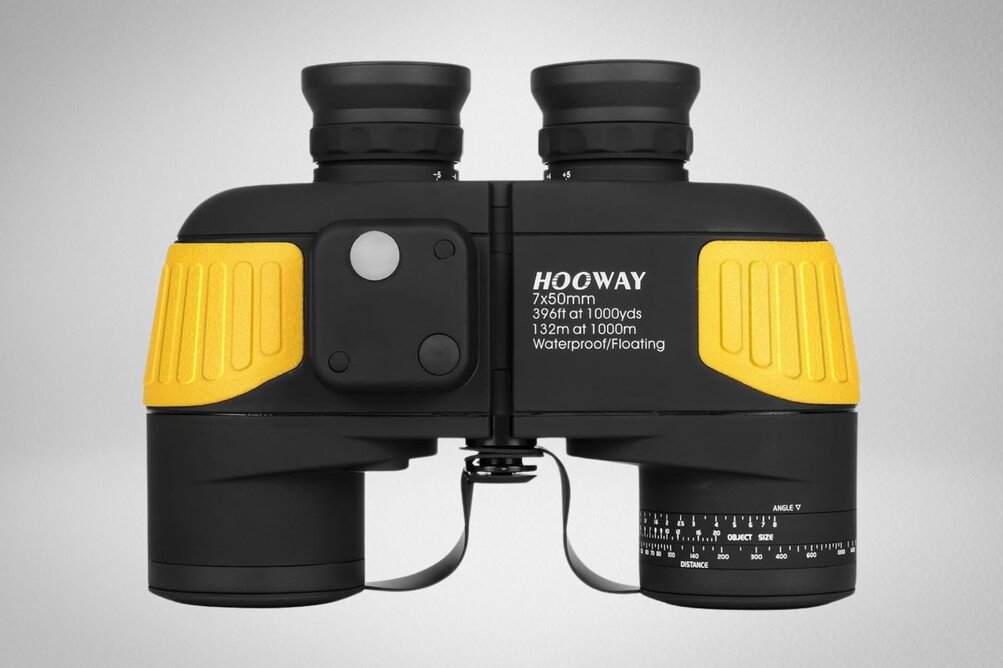
Sealing technology is crucial for waterproof binoculars. O-ring seals are common. They block water and dust. Nitrogen purging prevents fog inside lenses. Water-repellent coatings add extra protection. These technologies ensure your binoculars stay dry.
Credit: www.boatsailmag.com
Regular Cleaning Methods
Use mild soapmixed with water for cleaning lenses. Avoid harsh chemicals as they can damage coatings. A soft, lint-free clothworks best to wipe dirt gently. Never use paper towels or rough fabrics.
For stubborn dirt, dip the cloth slightly in the cleaning solution. Wipe lenses in circular motionsto avoid scratches. Let the binoculars air dry before storing.
- Do not soak binoculars in water.
- Avoid spraying cleaning solution directly on lenses.
- Keep binoculars away from high heat during drying.
- Do not press hard on lenses while cleaning.
- Store binoculars in a dry, dust-free case after cleaning.
Proper Storage Techniques
Keeping binoculars dry is key to protect their waterproof features. Store them in a place with low humidity. Too much moisture can cause fogginginside lenses and damage the seals. Use silica gel packs or moisture absorbers inside the storage area. It helps keep the air dry and safe for your binoculars.
Always use a protective casewhen not using your binoculars. It shields them from dust, dirt, and water. Choose cases with water-resistantmaterials and secure closures. This adds an extra layer of protection during travel or outdoor activities.
Inspecting Seals And O-rings
Seals and O-rings keep binoculars waterproofand safe from dust. Check them often for any cracks, dryness, or breaks. These signs show that the seal might fail soon. A small tear can let water inside and damage the lenses.
Replace damaged O-rings with the right size and type. Use new parts made for your binocular model. Clean the area before putting in new seals. This keeps the binoculars working welland protected.
- Look for hard or cracked seals
- Check if O-rings are sticky or torn
- Replace parts immediately if damaged
- Use proper tools to avoid further damage
- Store binoculars in a dry place after maintenance
Handling Moisture Exposure
After using tactical binoculars in wet places, dry them well. Use a soft cloth to wipe off water outside. Do not use heat sources like hairdryers. Let the binoculars air dry in a warm, dry room. Avoid storing them wet to stop damage or mold.
To stop fog inside the binoculars, keep them sealed. Check that all seals and O-rings are in good shape. Store binoculars in a dry case with silica gel packs. These packs absorb moisture inside the case. Avoid sudden temperature changes that cause fogging.
Avoiding Common Mistakes
Ignoring manufacturer guidelinescan damage the waterproof seal. Each brand has specific care instructions. Using harsh chemicals or abrasive materials may ruin the coating. Avoid submerging binoculars deeper than recommended. Always check the user manual for proper cleaning methods. Store binoculars in a dry place after use. Moisture trapped inside can cause fogging and damage. Do not open parts that are sealed to keep water out. Follow these simple rules to keep your binoculars waterproof and safe.
When To Seek Professional Help
Professional help is important if your binoculars lose their waterproof ability. Small cracks or broken seals need expert repair to keep water out. Trying to fix it yourself might cause more damage.
Repair services can replace worn-out seals and fix leaks. Experts use the right tools and parts to restore waterproofing. This service helps extend the life of your binoculars.
| Warranty | Maintenance Options |
|---|---|
| Check if your binoculars come with a waterproof warranty. | Regular cleaning and drying can prevent damage. |
| Some brands offer free or low-cost repairs under warranty. | Store binoculars in dry places to keep seals intact. |
| Keep your purchase receipt for warranty claims. | Professional inspections can spot early waterproof issues. |

Credit: www.ebay.com

Credit: www.amazon.com
Frequently Asked Questions
How Often Should I Check Waterproof Seals On Binoculars?
Regularly inspect seals every few months to ensure no cracks or damage. Clean seals gently to maintain their flexibility and effectiveness. Promptly replace any worn or broken seals to keep waterproof performance intact.
Can I Use Lubricants To Maintain Waterproof Binocular Seals?
Use only manufacturer-recommended lubricants sparingly on seals. Avoid petroleum-based products as they can degrade rubber seals. Proper lubrication helps keep seals soft and effective, preventing water entry.
What Cleaning Methods Protect Waterproof Features Best?
Clean binoculars with a soft, damp cloth; avoid harsh chemicals. Use mild soap if necessary, rinsing thoroughly afterward. Dry binoculars completely before storage to prevent moisture buildup inside.
Is It Safe To Submerge Tactical Binoculars In Water?
Only submerge binoculars if rated as fully waterproof, not just water-resistant. Follow manufacturer guidelines on depth and duration limits. Avoid saltwater exposure or rinse binoculars with fresh water after contact.
Conclusion
Maintaining waterproof features on tactical binoculars keeps them reliable outdoors. Clean lenses gently with a soft cloth to avoid damage. Always check seals and covers for tightness before use. Store binoculars in a dry place after every trip. Avoid dropping or hitting them hard to protect waterproof parts.
Small steps make a big difference in lasting performance. Your binoculars will stay clear and dry for many adventures. Taking care is simple and worth the effort.