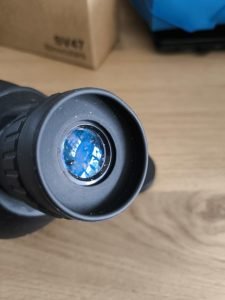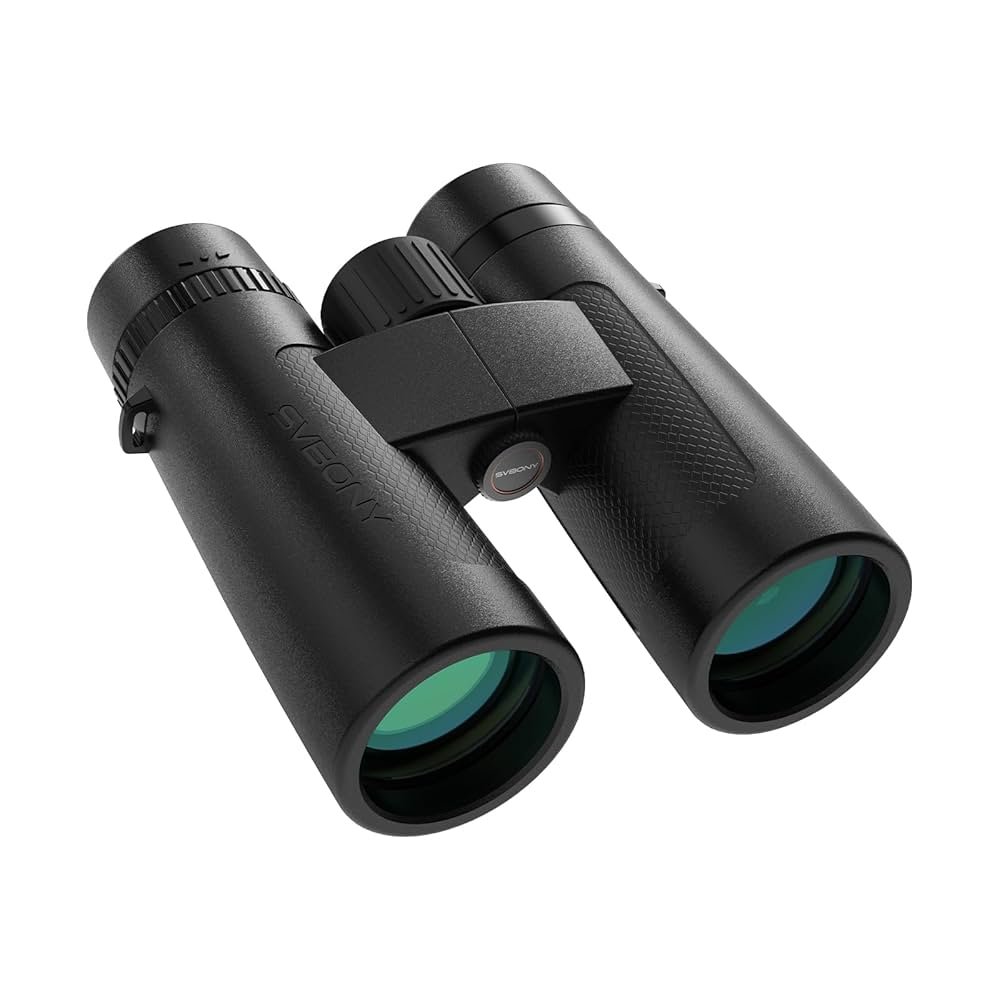
If you own ED glass binoculars with waterproof features, you want to keep them working perfectly for years. But did you know that without proper care, those waterproof seals can wear out or fail?
Imagine being out in the rain or near water and suddenly your binoculars fog up or get damaged. That’s frustrating and avoidable. You’ll discover simple, effective ways to maintain the waterproof qualities of your binoculars. Follow these easy tips, and you’ll protect your investment while enjoying clear, sharp views no matter the weather.
Keep reading to learn how to make your binoculars last longer and perform better every time you use them.
Understanding Waterproof Features
Waterproofingis key to protect binoculars from water damage. It keeps water from entering the lenses and body. This extends the lifeof the binoculars and ensures clear vision in wet conditions.
Waterproofmeans no water can get inside, even underwater. Water-resistantmeans it can resist some water but not fully protect when submerged. Knowing the difference helps in choosing the right binoculars for your needs.
| Feature | Waterproof | Water-Resistant |
|---|---|---|
| Protection Level | Complete, no water entry | Partial, can handle light rain |
| Use | Suitable for wet or underwater use | Good for light moisture or splashes |
| Durability | High, seals and materials prevent leaks | Moderate, may wear out over time |
Regular Maintenance Practices
Use a soft cloth to clean the lenses gently. Avoid using paper or rough materials that can scratch the glass. For stubborn dirt, moisten the cloth with clean water or lens cleaner. Never spray liquids directly on the binoculars.
Dry the binoculars completely after exposure to moisture. Use a dry cloth or air dry in a shaded area. Avoid direct sunlight, which can damage the seals and coatings.
- Check the binoculars for any small cracks or gaps in the seals.
- Look for fogging inside the lenses, which may show leaks.
- Test by holding the binoculars underwater briefly to see if bubbles appear.
- Replace worn-out seals promptly to keep them waterproof.
Proper Storage Solutions
Store binoculars in a cool, dry place to protect their waterproof features. Avoid areas with high humidity, which can cause fogginginside the lenses. Keep binoculars away from direct sunlight and heat sources to prevent damage to seals and coatings.
Use a protective case to shield binoculars from dust and moisture. Ensure the case is ventilated slightly to avoid trapping moisture inside. Always dry binoculars thoroughly before storing if they get wet.
| Storage Condition | Why It Matters |
|---|---|
| Cool Temperature | Prevents seal damage and lens fogging |
| Low Humidity | Stops moisture build-up inside binoculars |
| Protective Case | Guards against dust and water exposure |
| Avoid Direct Sunlight | Prevents heat damage to waterproof seals |
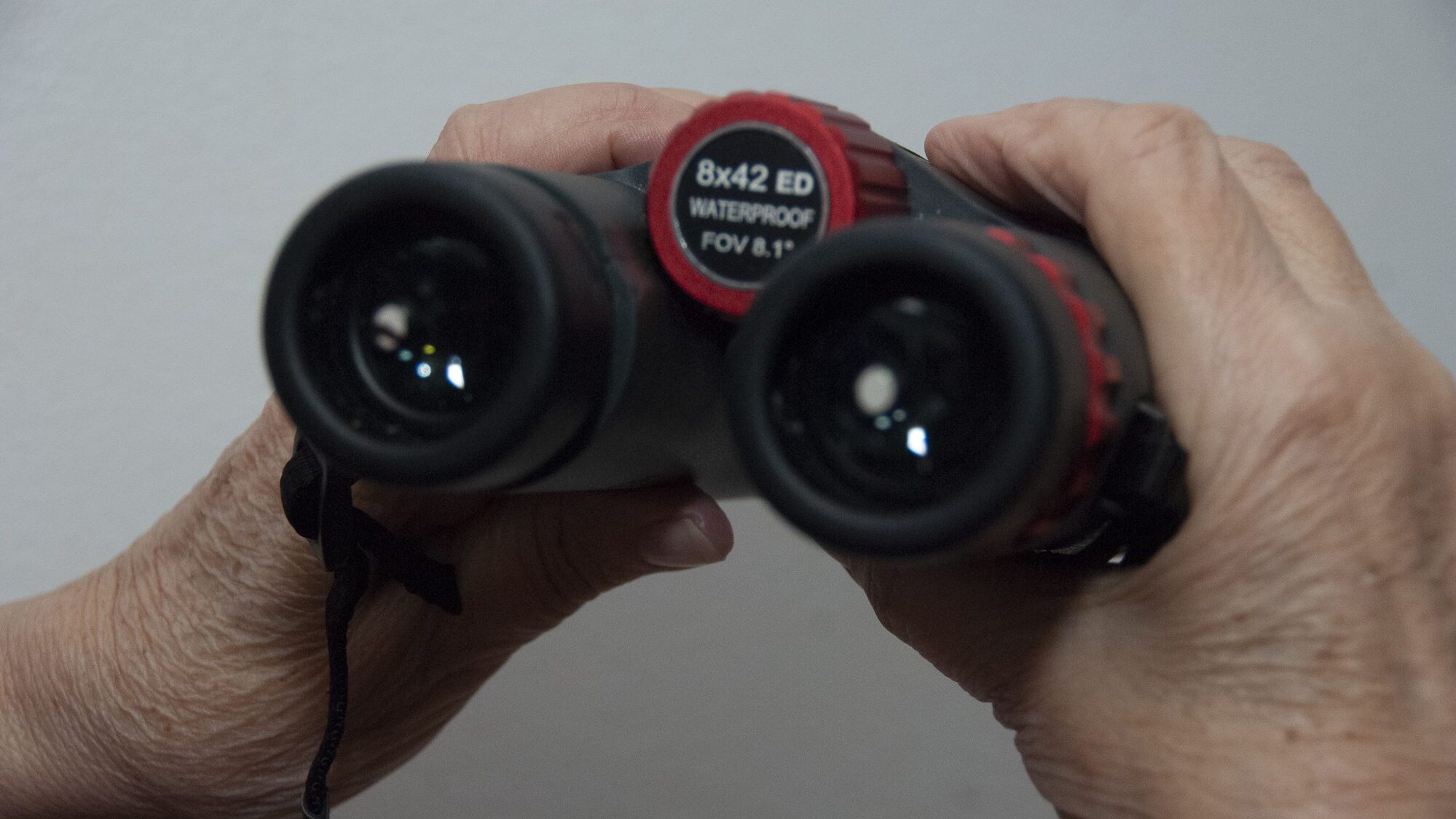
Credit: bringbinoculars.com
Using Protective Accessories
Lens coversprotect binocular lenses from scratches, dust, and water drops. Always use them when the binoculars are not in use. A good casekeeps binoculars safe from impacts and moisture. Choose cases with water-resistant materials for better protection.
Desiccantsabsorb moisture inside the case to prevent fog and mold. Silica gel packets are common and effective. Replace or dry them regularly to keep them working well.
| Accessory | Purpose | Tip |
|---|---|---|
| Lens Covers | Protect lenses from scratches and water | Use covers whenever binoculars are idle |
| Water-resistant Cases | Shield binoculars from moisture and impacts | Pick cases with sealed seams |
| Desiccants (e.g., silica gel) | Absorb moisture inside the case | Replace or dry regularly |
Professional Servicing
Professional servicing helps keep ED glass binocularsfully waterproof. Seek expert help if you notice fogging inside lenses, water leaks, or damaged seals. These signs show the binoculars need special carethat only professionals can provide.
Regular servicing offers many benefits:
- Maintains waterproof sealsto prevent moisture damage.
- Ensures clear visionby cleaning internal lenses.
- Extends binoculars’ lifespanthrough proper care.
- Detects small issuesbefore they become bigger problems.
Experts use tools and techniques not available at home. This keeps your binoculars working well in all weather conditions.
Avoiding Common Mistakes
Handle binoculars gently to keep their waterproof featuresintact. Avoid dropping or banging them against hard surfaces. Use a soft cloth to clean lenses, never harsh chemicals. Keep caps on when not in use to prevent dust and moisture entry.
Many think waterproof means fully submersible. Actually, it means water-resistant in rain or light splashes. Do not immerse binoculars in water unless specified by the manufacturer. Seals can wear out over time, so check for damage regularly.
- Do not twist or force moving parts.
- Store in a dry place after use.
- Dry binoculars with a soft cloth after exposure to moisture.
- Regularly check seals for cracks or wear.
- Avoid leaving them in hot sun or freezing temperatures.
Tips For Extended Lifespan
Check your binoculars often for any signs of water damageor cracks. Wipe them dry after use, especially if exposed to rain or moisture. Keep the lenses clean and free from dust with a soft cloth. Look for any loose parts that might let water inside. Tighten screws gently if needed.
Replace old or worn-out seals and O-rings to keep binoculars waterproof. Consider upgrading to better quality seals if you use them in wet places a lot. Use silicone greaseon seals to keep them soft and effective. Regularly check these parts to avoid leaks and damage.

Credit: www.amazon.com

Credit: www.amazon.com
Frequently Asked Questions
How Do I Clean Waterproof Ed Glass Binoculars Safely?
Use a soft, lint-free cloth to gently wipe lenses. Avoid harsh chemicals; instead, use lens cleaner designed for optics. Clean binoculars regularly to prevent dirt buildup and maintain waterproof seals.
Can I Submerge Ed Glass Binoculars In Water?
Only if the binoculars are rated fully waterproof. Check the IPX rating before submerging. Avoid prolonged underwater exposure to protect internal components and maintain clarity.
How To Store Waterproof Binoculars Properly?
Store in a cool, dry place away from direct sunlight. Keep binoculars in a protective case to prevent dust and moisture damage. Proper storage preserves waterproof seals and extends device lifespan.
What Causes Waterproof Seals To Fail On Binoculars?
Exposure to extreme temperatures, physical damage, or aging can degrade seals. Avoid dropping or exposing binoculars to harsh conditions. Regular maintenance helps detect and prevent seal failure early.
Conclusion
Protecting your ED glass binoculars keeps them working well for years. Regular cleaning and careful storage help maintain waterproof features. Avoid harsh chemicals and rough handling to prevent damage. Check seals often to catch leaks early. Small efforts make a big difference in durability.
Enjoy clear views without worrying about water damage. Simple habits keep your binoculars ready for any adventure. Stay mindful of these tips to protect your investment. Your binoculars will thank you with sharp, bright images every time.