You’ve invested in your zoom binoculars to get a closer look at nature, sports, or distant sights. But what happens when the rain starts falling?
Handling your binoculars in wet weather can be tricky. If you’re not careful, water can fog up the lenses or even damage your gear. Don’t let a little rain ruin your experience. You’ll discover simple, practical tips to protect your zoom binoculars and keep your view clear, no matter the weather.
Stay with us, and you’ll learn how to enjoy every moment—even in the rain.

Credit: swoptics.co.uk
Choosing Waterproof Binoculars
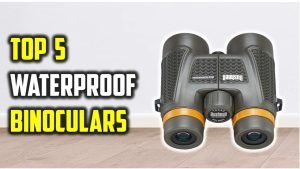
Waterproof designis the most important feature for rainy weather. Choose binoculars with sealed O-ringsto keep out water and dust. Look for models filled with nitrogen or argon gas; this prevents fogging inside the lenses. A good rubber coating offers extra gripand protection from bumps and drops.
Check the IP ratingfor water resistance. An IPX7 rating means binoculars can handle immersion in water up to 1 meter for 30 minutes. Also, consider lens coatingsthat repel water and improve image clarity in rain.
| Model | Waterproof Rating | Gas Filled | Lens Coating | Price Range |
|---|---|---|---|---|
| Nikon Prostaff 3S | Waterproof & Fogproof | Nitrogen | Multi-coated | Affordable |
| Vortex Diamondback | IPX7 Waterproof | Nitrogen | Fully Multi-coated | Mid-range |
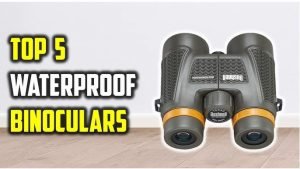
| Bushnell H2O | Waterproof & Fogproof | Argon | RainGuard Coating | Mid-range |
Preparing For Rainy Conditions
Using weatherproof gearprotects your binoculars during rain. Choose models with a rubber coatingto prevent slipping. A water-resistant casehelps keep moisture away. Keep a clean microfiber clothhandy to wipe raindrops immediately.
Protective accessorieslike rain covers shield binoculars without blocking your view. A lens hoodhelps stop water from hitting the lenses. Use a neck strapwith quick release to secure your binoculars safely. Avoid leaving them out in the open during heavy rain.
Using Binoculars In The Rain
Rain can blur the lenses of binoculars. Use a soft cloth to wipe drops gently. Keep a small microfiber cloth handy to clear the view quickly. Avoid touching lenses with fingers to prevent smudges. Applying a water-repellent solution helps rain slide off easily. Cover binoculars with a rain guard or plastic bag when not in use.
Adjusting zoom in rain requires slow, careful movements. Quick changes can cause the image to shake. Find the right zoom level before rain starts. Zoom in slightly to get a clear view without distortion. Keep both hands steady and support the binoculars with your arms.

Credit: www.amazon.com
Maintaining Binoculars After Use
Use a soft cloth to gently wipe the lenses and body. Avoid rough materials that can scratch the glass. Dry off any water drops quickly to stop damage. Use a small brush to remove dirt from tight spots. Never use household cleaners or solvents on lenses. Special lens cleaning solutions are safe and effective. Let your binoculars dry completely before storing them.
Store binoculars in a dry, cool place to avoid moisture build-up. Use a protective case to keep dust and dirt away. Keep silica gel packs in the case to absorb extra moisture. Avoid leaving binoculars in direct sunlight or hot areas. Proper storage helps keep lenses clear and the body in good shape.
Safety Tips For Rainy Weather
Rain makes surfaces slipperyand harder to see. Always walk slowly and watch your step to avoid accidents. Hold the binoculars firmly to prevent dropping them.
Use a strap around your neck for extra security. Keep your binoculars covered with a waterproof case or cloth when not in use. Wiping lenses gently helps keep your view clear.
- Wear shoes with good grip for better balance.
- Choose paths that are less wet or muddy.
- Keep your hands free except for holding binoculars.
- Stand still when adjusting focus to avoid falling.
- Avoid rushing; take your time moving in rain.

Credit: www.amazon.com
Frequently Asked Questions
How To Protect Zoom Binoculars From Rain Damage?
Use waterproof covers or rain guards to protect the lenses. Wipe off water drops immediately with a microfiber cloth. Store binoculars in a waterproof case when not in use. Avoid exposing them to heavy rain for long periods to prevent internal moisture damage.
Can Fogging Affect Zoom Binoculars In Rainy Weather?
Yes, fogging occurs due to temperature differences and moisture. Anti-fog coatings or silica gel packs inside the case help reduce fogging. Keeping binoculars dry and warm before use also prevents internal fog buildup during rainy weather.
Is It Safe To Use Zoom Binoculars In Light Rain?
Using zoom binoculars in light rain is safe with proper protection. Waterproof models or rain covers are best. Always dry them immediately after use to avoid water seepage and lens damage, ensuring clear vision and longevity.
What Maintenance Is Required After Using Binoculars In Rain?
After rainy use, dry binoculars thoroughly with a soft cloth. Remove any dirt or debris from lenses gently. Open and air dry the binoculars in a warm, dry place. Regularly check for moisture inside and service if fogging occurs.
Conclusion
Handling zoom binoculars in rainy weather takes care and attention. Keep them dry using protective covers or waterproof cases. Wipe lenses gently to avoid scratches and clear vision. Avoid sudden temperature changes to stop fogging inside the lenses. Store binoculars in a safe, dry place after use.
Small habits protect your gear and help it last longer. Enjoy nature’s view, rain or shine, with proper care. Simple steps make a big difference for your binoculars’ life. Stay prepared and keep your outdoor adventures clear and bright.