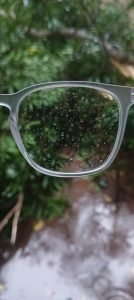
Are you struggling to get a clear view through your wildlife binoculars? You’re not alone.
Focusing binoculars can be tricky at first, but once you know the right steps, it becomes quick and easy. Imagine spotting a rare bird or a distant animal with perfect clarity every time. In this guide, you’ll learn simple tips to focus your wildlife binoculars like a pro.
Keep reading, and you’ll never miss a moment in nature again.
Choosing The Right Binoculars
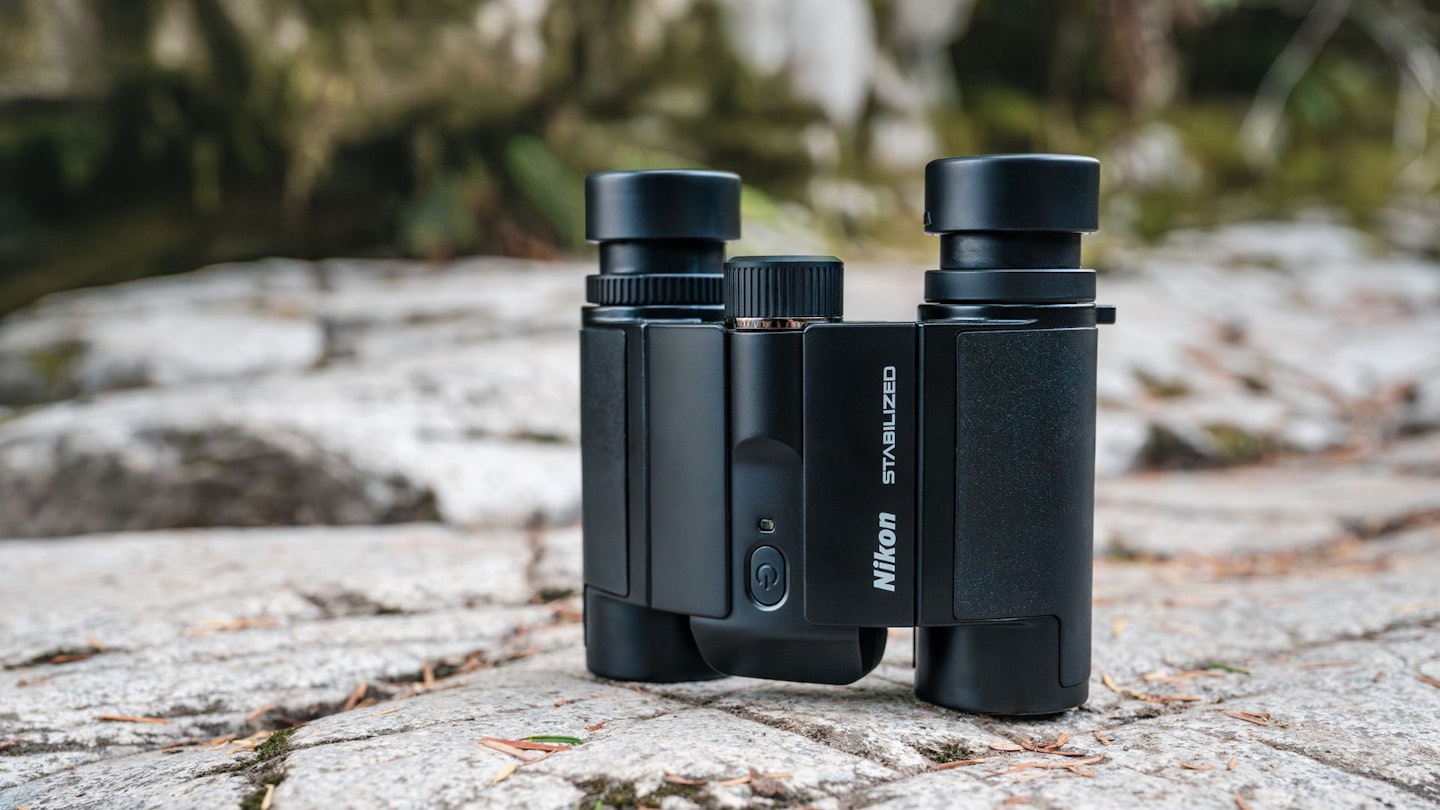
Adjust the central focus wheel slowly until the image becomes clear and sharp. Use the diopter ring to fine-tune one eyepiece for your eyesight. Hold the binoculars steady to keep wildlife in sharp view.
Magnification And Lens Size
Magnification helps you see faraway things closer. Higher magnification means details are clear. But, it can make images shaky. Lens size affects how much light enters. Bigger lenses show brighter images. They are heavier, though.
Field Of View Considerations
Field of view is how much area you see. Wide field helps track moving animals. It is useful for bird watching. Narrow field shows more detail. Choose based on your needs.
Waterproof And Fogproof Features
Waterproof binoculars are safe in rain. They protect from water damage. Fogproof feature keeps lenses clear. It works well in humid places. These features add durability.
Basic Focusing Mechanism
The center focus wheelis the main control for adjusting wildlife binoculars. Rotating this wheel changes the distance between the lenses. This helps make the image clear and sharp. Turn the wheel slowly while looking at a distant object. Stop when the object looks crisp and easy to see.
The diopter adjustmenthelps match the binoculars to your eyes. Usually, it is a small ring near one eyepiece. First, close the eye on the side with the diopter ring. Use the center focus wheel to focus the other eye. Then, close that eye and open the one with the diopter. Turn the diopter ring until the image is clear for that eye.
Step-by-step Focusing Guide
Adjust the eyepiece to match your eyesight for clear images. Focus the central wheel slowly until the wildlife appears sharp and detailed. Fine-tune both eyes using the diopter ring for perfect clarity.
Setting The Diopter
Adjust the diopter ring to match your eyesight. Close your right eye and look through the left lens. Turn the diopter until the image looks sharp and clear. This setting helps balance differences between your eyes. Once done, keep this setting fixed for all future use.
Focusing On A Distant Object
Find a faraway object, like a tree or bird. Use the central focus wheel to bring the object into view. Turn the wheel slowly. Stop when the object looks sharp and detailed. This step sets the main focus for both eyes.
Fine-tuning For Clarity
Look for small details like leaves or feathers. Adjust the focus wheel slightly to sharpen these details. Use gentle movements for better clarity. Small changes can make a big difference in image quality.
Credit: www.birdwatching.co.uk
Common Focusing Issues
Blurry images happen when the binoculars are not focused well. This can be due to the wrong distance settingor the diopter adjustmentnot set properly. Dirt or smudges on the lenses can also cause blurriness. Try cleaning the lenses with a soft cloth.
Double vision occurs when the two eyepieces do not align correctly. This can happen if the binoculars are not held steady or if the interpupillary distanceis incorrect. Adjust the binoculars to fit the space between your eyes.
- Check if the diopter ring is set to zero or the middle position.
- Look through one eye and focus using the central focus wheel.
- Close that eye and open the other. Adjust the diopter ring until clear.
- Make sure the lenses are clean to avoid blurry images.
- Adjust the binoculars for your eye spacing to prevent double vision.
Tips For Steady Viewing
Using a tripodor other support helps keep binoculars steady. It reduces hand shake and lets you focus on animals clearly. Tripods are best for long viewing sessions. They hold the binoculars still without tiring your arms.
For handholding, hold binoculars close to your body. Rest your elbows against your chest or a solid surface. This gives extra support and cuts down shaking. Try to breathe slowly and steadily. It helps keep your hands calm.
- Use a tripod for steady, long viewing
- Hold binoculars close to your body
- Rest elbows on chest or surface
- Breathe slowly and evenly to reduce shake
- Keep your grip firm but relaxed

Credit: www.ebay.com
Maintaining Your Binoculars
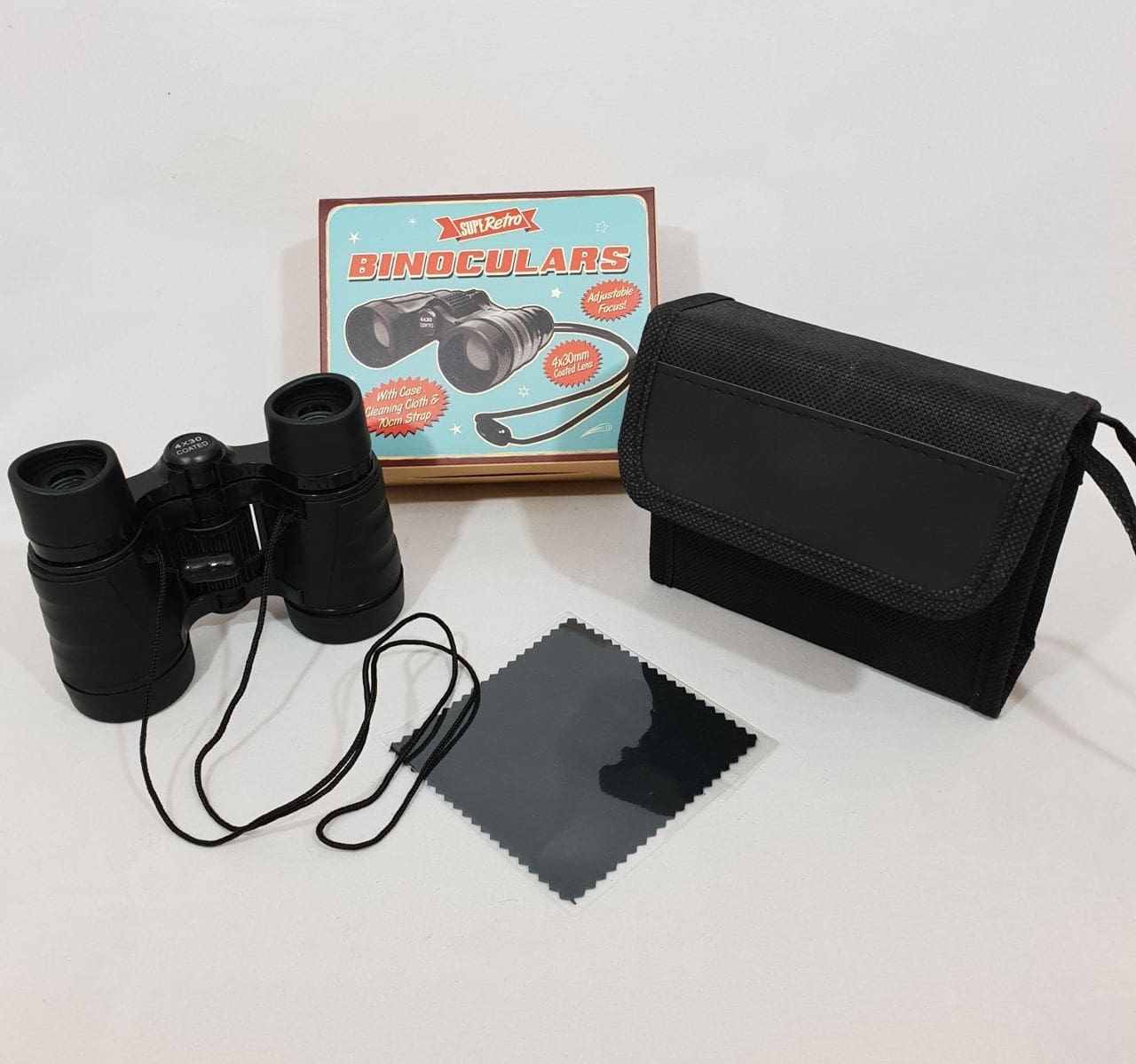
Keeping your binocular lenses clean is very important. Use a soft brush or air blower to remove dust gently. Avoid wiping with your shirt or hard cloth. Use a lens cleaning cloth or special lens paper for smudges. Apply lens cleaner only on the cloth, not directly on the lenses. This stops damage to lens coatings.
Store binoculars in a dry, cool place to avoid moisture and mold. Use a padded case to protect from bumps and scratches. Keep them away from direct sunlight to prevent lens damage. Always cover the lenses with caps when not in use. Avoid leaving binoculars in hot cars or damp areas.
Credit: www.activitiestoshare.co.uk
Frequently Asked Questions
How Do I Adjust Focus On Wildlife Binoculars?
To adjust focus, first set the binoculars to your eye distance. Then, use the central focusing wheel to sharpen the image. Finally, adjust the diopter ring on the right eyepiece for individual eye differences. This ensures clear, crisp wildlife views.
Why Is Focusing Binoculars Important For Wildlife Viewing?
Proper focus improves image clarity and detail, essential for observing wildlife. Clear focus helps identify animals and their behavior accurately. It reduces eye strain during long observation sessions. Focusing ensures the best viewing experience in varied outdoor conditions.
Can I Use Binoculars Without Adjusting The Diopter?
You can, but it may cause blurry images. The diopter compensates for differences between your eyes. Adjusting it ensures both eyes see a sharp image. Skipping this step reduces viewing comfort and detail accuracy.
How Often Should I Refocus My Binoculars Outdoors?
Refocus binoculars whenever you change viewing distance significantly. Wildlife often moves, requiring quick focus adjustments. Environmental factors like temperature and humidity can also affect focus. Regular refocusing keeps images sharp and enjoyable.
Conclusion
Focusing wildlife binoculars takes patience and simple steps. Start by adjusting the eyecups to fit your eyes. Then, use the central focus wheel to sharpen the image. Don’t forget to set the diopter ring for clear vision in both eyes.
Practice often to improve your skills. Clear focus brings the beauty of nature closer. Enjoy every bird, animal, or landscape with sharp, bright views. Keep your binoculars clean and handle them gently. This way, you get the best experience every time you explore outdoors.