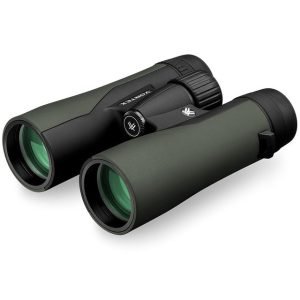
Your compact binoculars open up a world of detail and adventure. But when your eyepieces get smudged or dirty, that clear view quickly disappears.
You might feel frustrated, thinking cleaning them is tricky or risky. What if you scratch the lenses or make things worse? The good news is, cleaning your binocular eyepieces is easier than you think—and doing it right can keep your views sharp and bright for years.
You’ll discover simple, safe steps to clean your eyepieces like a pro, so you never miss a moment. Keep reading, and your binoculars will thank you.
Choosing The Right Cleaning Tools
Microfiber cloths are gentle on lenses. They prevent scratches. Always use clean cloths. Dirty cloths might damage the lenses. Fold the cloth to use a clean side. This keeps the cloth effective.
Use solutions made for lenses. Spray a small amount on the cloth. Avoid spraying directly on the lens. This can cause streaks. Wipe the lens gently with the cloth. Make sure to dry the lens completely.
- Air blowers remove dust without touching.
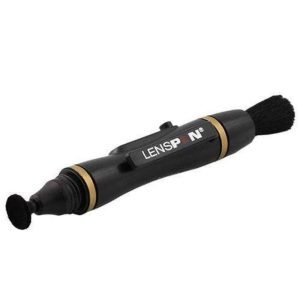
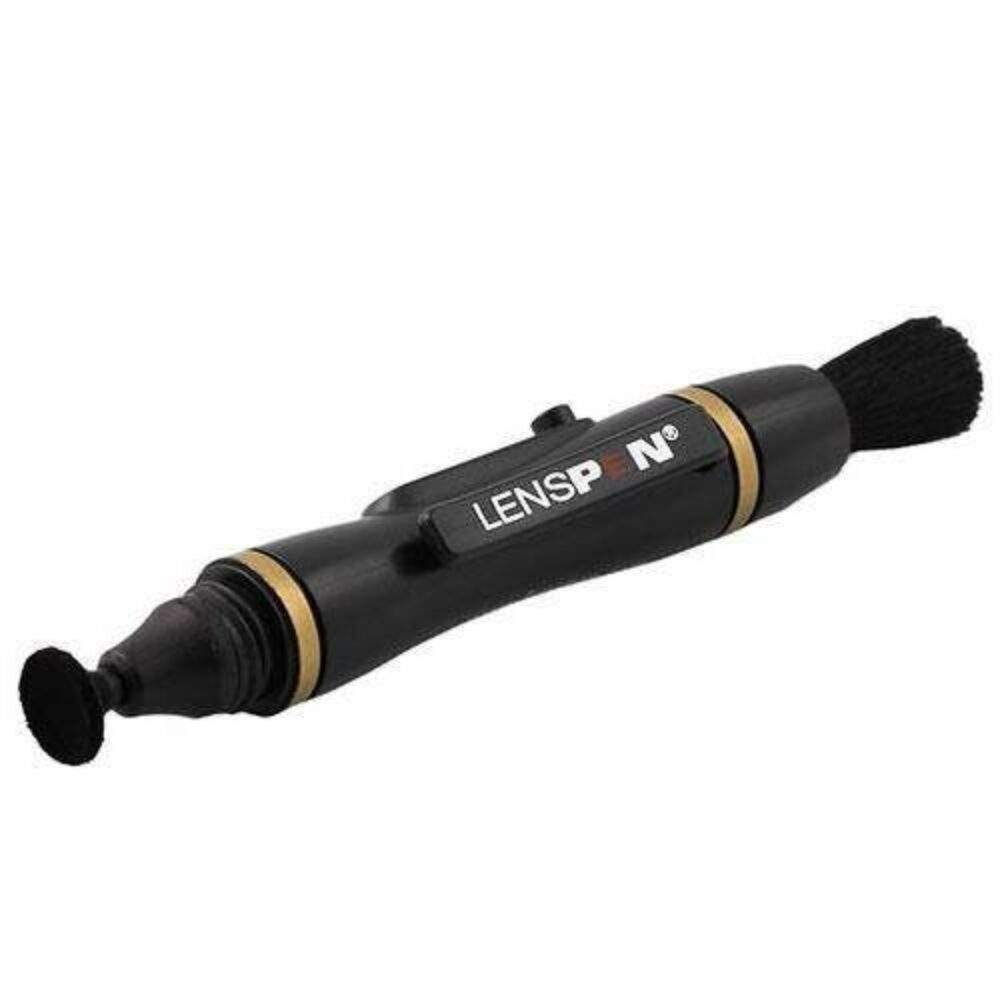
- Soft brushes clean around edges.
- Use blowers first to loosen dust.
- Finish with a brush for stubborn spots.
Preparing Your Binoculars For Cleaning
Start by gently wiping the binoculars with a soft brush. This removes loose dustand debris without scratching the lenses. Avoid using your fingers to touch the lenses, as oils can leave marks. Use a clean, dry microfiber cloth to pick up any remaining particles.
Choose a clean, well-lit areafor cleaning. A flat surface with good lighting helps you see dirt clearly. Keep away from pets and wind to stop new dust from settling. Have all your cleaning tools ready before you begin.
Step-by-step Cleaning Process
Use an air blowerto gently remove dust and small particles. Avoid using your breath to clean the eyepieces. Air blowers push air without touching the glass, keeping it safe from scratches.
Apply a few drops of lens cleanerto the eyepiece surface. Use a cleaner made for optical lenses only. Do not spray the cleaner directly on the eyepiece; instead, put it on the cloth.
Gently wipe the eyepieces with a microfiber cloth. Use soft, circular motions to avoid scratching. Avoid using paper towels or rough fabrics that can harm the lenses.

Credit: www.amazon.co.uk
Handling Stubborn Smudges And Stains
Use a soft microfiber cloth to gently rub stubborn smudges. Avoid using too much pressure to protect the lens coatings. Light, circular motions work best for cleaning without scratching.
For tougher stains, slightly dampen the cloth with water or lens cleaner. Never apply liquids directly to the eyepiece. This prevents moisture from getting inside and damaging the binoculars.
- Use only lens-safe cleaning solutions.
- Do not use paper towels or tissues; they can scratch.
- Do not rub hard; coatings are delicate.
- Clean regularly to avoid buildup.
Maintaining Eyepieces For Longevity
Keeping the eyepieces clean helps your binoculars last longer. Dirt and dust can scratch lenses if not cleaned often. Use a soft brush or air blower to remove loose dust gently. Avoid using fingers to wipe, as oils can leave marks.
Use a microfiber cloth to clean the lenses. Lightly wipe in a circular motion. For stubborn smudges, dampen the cloth with lens cleaner or water. Never spray liquid directly on the lenses.
- Clean eyepieces every few weeks or after heavy use.
- Store binoculars in a case to protect from dust and damage.
- Keep them in a dry place to avoid mold growth.
- Use lens caps when not in use for extra protection.

Credit: www.ebay.com
Common Mistakes To Avoid
Harsh chemicalscan damage the eyepiece coating. Avoid using alcohol, bleach, or ammonia-based cleaners. These substances may cause scratches or cloudiness on the lenses.
Rough cleaning materialslike paper towels or tissues can scratch the eyepieces. Soft microfiber cloths are best for cleaning. They remove dirt without harming the lens surface.
- Never rub the lenses with abrasive materials.
- Do not use household cleaners not meant for optics.
- Use gentle strokes when wiping the eyepieces.
- Keep the cloth clean to avoid spreading dirt.

Credit: zarimex.eu
Frequently Asked Questions
How Often Should I Clean Compact Binocular Eyepieces?
Clean eyepieces only when visibly dirty or blurry. Frequent cleaning can damage lenses. Use a soft brush or air blower first to remove loose debris before wiping.
What Materials Are Safe For Cleaning Binocular Eyepieces?
Use microfiber cloths and lens cleaning solution designed for optics. Avoid paper towels, tissues, or household cleaners as they can scratch or damage coatings.
Can I Use Water To Clean My Binocular Eyepieces?
Use distilled water sparingly if no lens cleaner is available. Avoid tap water which may leave mineral spots. Always dry gently with a microfiber cloth after cleaning.
How Do I Prevent Scratches On Compact Binocular Eyepieces?
Remove dust with a blower or soft brush before wiping. Always use gentle, circular motions with a clean microfiber cloth. Avoid pressing too hard to protect lens coatings.
Conclusion
Cleaning your compact binoculars’ eyepieces keeps your view clear and sharp. Use gentle tools and avoid harsh chemicals to protect the lenses. Regular cleaning helps prevent damage and extends the life of your binoculars. Take your time and clean carefully for the best results.
Clear lenses make every outdoor adventure more enjoyable. Keep your binoculars ready for any trip by cleaning them often. Simple steps, big difference.