You’ve just spent hours exploring the great outdoors, relying on your fog-proof binoculars to bring distant scenes into clear view. But now, those lenses are smudged, foggy, or dusty—blocking your next adventure.
Cleaning your binocular lenses properly isn’t just about clear vision; it protects your investment and ensures your gear lasts longer. If you’ve ever wondered how to clean fog-proof binocular lenses safely and effectively after outdoor use, you’re in the right place.
Keep reading to discover simple, step-by-step tips that will keep your lenses spotless and your views crystal clear every time.
Prepare Cleaning Materials
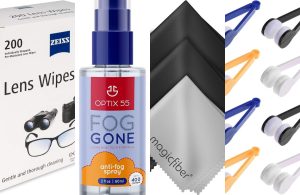
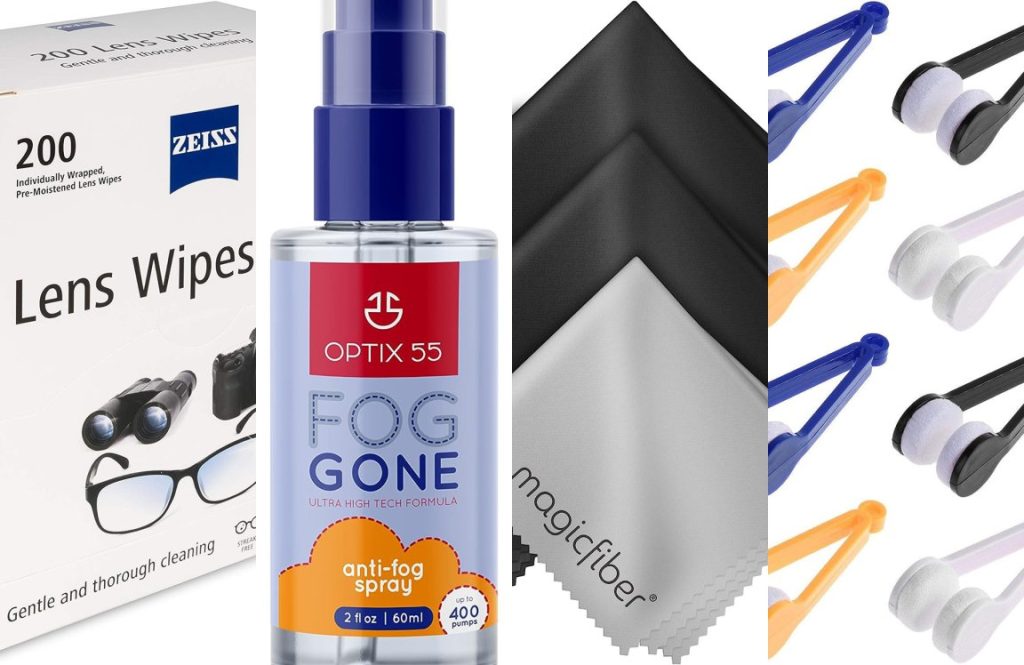
Gather soft microfiber cloths, lens cleaning solution, and a small brush before starting. Having the right tools makes lens cleaning safe and easy.
Choose A Soft Cloth
Pick a microfiber clothfor cleaning. It prevents scratches on lenses. Never use paper towels or tissues. They can damage your binocular lenses. A soft cloth is gentle and effective.
Select Lens Cleaning Solution
Choose a lens cleaning solutionthat is alcohol-free. It keeps the lenses safe and clean. Avoid household cleaners; they might harm the lens coating. A proper solution ensures clarity and protection.
Gather A Blower Or Brush
Use a blowerto remove dust from lenses. A soft brush can help too. Blowers are safe and easy to use. Brushes gently clear away dirt. Both tools keep lenses clean without damage.

Credit: www.amazon.com
Remove Loose Debris
Start by using a blowerto gently remove loose dust and dirt. This tool pushes air without touching the lens, preventing scratches. Avoid wiping the lens before blowing off debris.
For particles stuck on the lens, use a soft brush. Lightly sweep the surface to clear stubborn dirt. Choose a brush with soft bristles made for optics.
Never use your fingers or rough cloths to clean fog-proof lenses. This can damage the delicate coating. Clean lenses last longer and give clearer views.
Apply Cleaning Solution
Apply a small amount of cleaning solutionto the lenses. Use only a few dropsto avoid damage. Too much liquid can seep inside and harm the binoculars.
Avoid harsh chemicalslike ammonia or alcohol. These can ruin the fog-proof coatingon the lenses. Instead, choose a solution made for optics or a mild soap diluted with water.
- Use a soft clothor lens tissue to spread the liquid gently.
- Do not rub hard; this can scratch the lenses.
- Let the lenses air dry or use a dry part of the cloth.
Wipe Lenses Gently
Use a soft, clean cloth to wipe the lenses gently. Avoid pressing too hard, as this can damage the lens surface. Circular motions work best to remove fog and dirt evenly.
Never wipe the lenses with rough materials or paper towels. These can cause scratchesthat reduce image clarity. Always use a microfiber cloth designed for optics.
- Start from the center and move outward in small circles.
- Keep the cloth clean; dirt can scratch the lens.
- Use only gentle pressure to avoid damage.
Dry And Inspect
After outdoor use, gently dry your binocular lenses with a soft cloth. Avoid rubbing hard to prevent scratches. Use a clean microfiber cloth designed for lenses. Inspect the lenses carefully for any remaining smudgesor dirt spots that the cloth missed. A quick check helps keep your view clear.
To dry thoroughly, place the binoculars in a dry area and allow the lenses to air drynaturally. This step prevents moisture buildup inside the lenses, protecting the fog-proof coating. Avoid using heat sources like hair dryers, as they can damage the lenses.

Credit: www.amazon.ca
Store Binoculars Properly
Store binoculars in a protective caseto keep lenses safe. The case stops dust, dirt, and scratches. It also protects from bumps and drops.
Keep the binoculars in a dry place. Moisture can cause fog and damage lenses. Avoid places that are damp or humid. A dry spot helps lenses stay clear and fog-free.
- Use a sturdy case with padding.
- Close the case tightly after use.
- Place the case in a shelf or drawer away from moisture.
- Do not leave binoculars in direct sunlight for long.

Credit: www.ubuy.com.jm
Frequently Asked Questions
How Do I Safely Remove Dirt From Fog-proof Lenses?
Use a soft brush or air blower to remove loose dirt. Avoid wiping dry dirt, as it can scratch the lens surface. Always clean with a microfiber cloth after removing debris.
What Cleaning Solutions Are Safe For Fog-proof Binocular Lenses?
Use lens cleaning solutions specifically designed for optics. Avoid household cleaners and alcohol, as they can damage lens coatings. Apply solution sparingly to a microfiber cloth, not directly on lenses.
How Often Should I Clean Fog-proof Binocular Lenses?
Clean lenses after every outdoor use or when visibly dirty. Regular cleaning maintains clarity and prevents damage from dirt buildup. Frequent gentle cleaning extends the life of your binoculars.
Can Fog-proof Coatings Be Damaged By Cleaning?
Yes, harsh chemicals and abrasive materials can harm coatings. Use only recommended cleaning products and soft cloths. Handle lenses gently to preserve fog-proof properties and optical quality.
Conclusion
Cleaning fog-proof binocular lenses keeps your view clear and sharp. Use a soft cloth and gentle cleaning solution to avoid scratches. Always clean lenses after outdoor use to remove dirt and moisture. Take care with every wipe to protect the lens coating.
Regular cleaning helps your binoculars last longer and perform better. Keep your gear ready for your next adventure. Clear lenses mean better spotting and more enjoyment. Simple steps make a big difference in lens care. Stay patient and gentle with your cleaning routine.
Your binoculars will thank you with crisp, fog-free views.