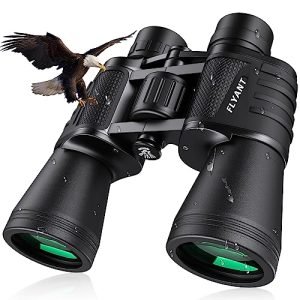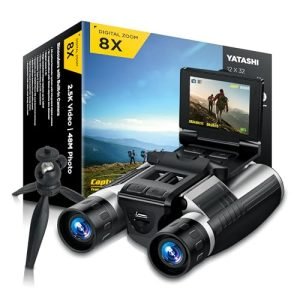
If you love using binoculars, you know how important clear lenses are for the best view. But cleaning your binocular lenses can be tricky—using the wrong method can scratch or damage them.
What if you could clean them safely while also killing germs? That’s where an anti-bacterial lens cleaner comes in. You’ll learn simple, effective steps to keep your binocular lenses spotless and germ-free. Keep reading, and discover how easy it is to protect your gear and enjoy crystal-clear views every time.
Choosing The Right Cleaner
It’s important to select a cleaner designed for binocular lenses. Anti-bacterial lens cleaners are very effective. They keep lenses free from germs and dirt. These cleaners are gentle on lens coatings. They remove smudges without scratching. It’s essential to check the cleaner ingredients. Make sure they are safe for optics.
Benefits Of Anti-bacterial Lens Cleaner
- Kills germs on the lens surface.
- Removes fingerprints and smudges easily.
- Protects the lens coating from damage.
- Keeps lenses clear for better viewing.
Safe Ingredients For Binocular Lenses
| Ingredient | Safety Note |
|---|---|
| Distilled Water | Gentle on lenses. |
| Isopropyl Alcohol | Kills germs without harm. |
| Surfactants | Remove dirt gently. |

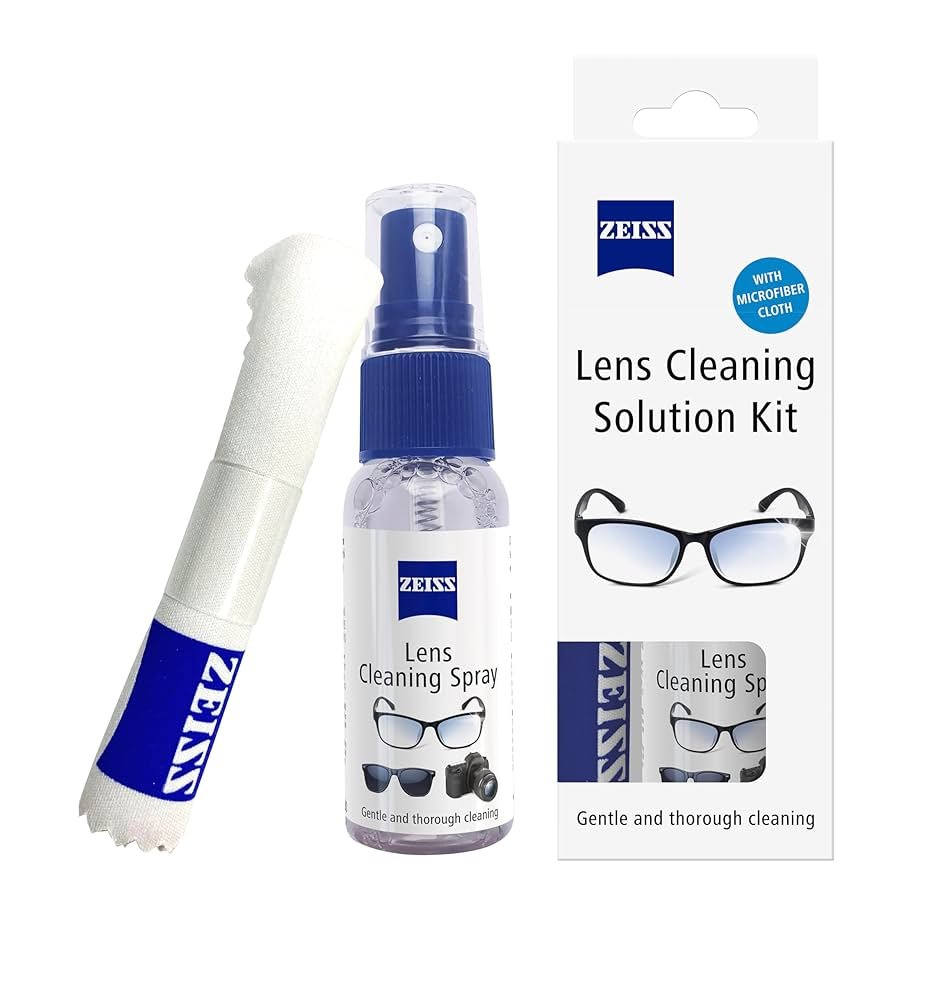
Credit: www.amazon.in
Preparing Your Binoculars
Before cleaning, gently remove loose dust and debrisusing a soft brush or air blower. Avoid touching the lenses with fingers to prevent smudges.
Check the binoculars for any stubborn dirtthat might need special care. Do not use rough cloth or paper towels, as they can scratch the lenses.
- Handle binoculars with clean hands to avoid transferring oils.
- Keep the binoculars steady on a flat surface while cleaning.
- Avoid pressing hard on the lenses during cleaning to prevent damage.
Cleaning Techniques
Spray the anti-bacterial lens cleanergently on the lens surface. Avoid using too much liquid to prevent damage.
Use a soft microfiber clothto wipe the lenses. Move the cloth in small, circular motions to remove dirt and germs.
Keep the cloth clean by washing it regularly. Dirty cloths can cause scratches and spread bacteria.
- Do not use paper towels or rough fabric on lenses.
- Avoid applying cleaner directly on binocular body parts.
- Never press hard; gentle cleaning protects lens coating.

Credit: www.amazon.in
Drying And Polishing
Use a soft, clean microfiber cloth to dry the lenses after cleaning. Gently pat the lens surface instead of rubbing hard. This prevents scratches and preserves the lens coatings.
To ensure streak-free lenses, use light circular motions with the cloth. Avoid pressing too hard. Let the lenses air dry for a few seconds if needed.
Maintaining lens coatings is very important. Avoid using harsh chemicals or rough materials. These can damage the coatings and reduce lens clarity.
- Use only anti-bacterial lens cleaner made for optics.
- Keep cloths clean and dry before use.
- Store binoculars in a dry case after cleaning.
Regular Maintenance Tips
Clean binocular lenses regularly to keep them clear and sharp. Use an anti-bacterial lens cleanerto remove germs safely. Avoid touching lenses with dirty hands.
Store binoculars in a dry, dust-free case. Keep them away from direct sunlight and moisture. This helps prevent lens damage and mold growth.
- Clean lenses after every few usesor when you see dirt.
- Wipe gently with a soft microfiber cloth.
- Never use rough materials or paper towels.
- Store binoculars in a sealed casewhen not in use.
- Keep the case in a cool, dry place.
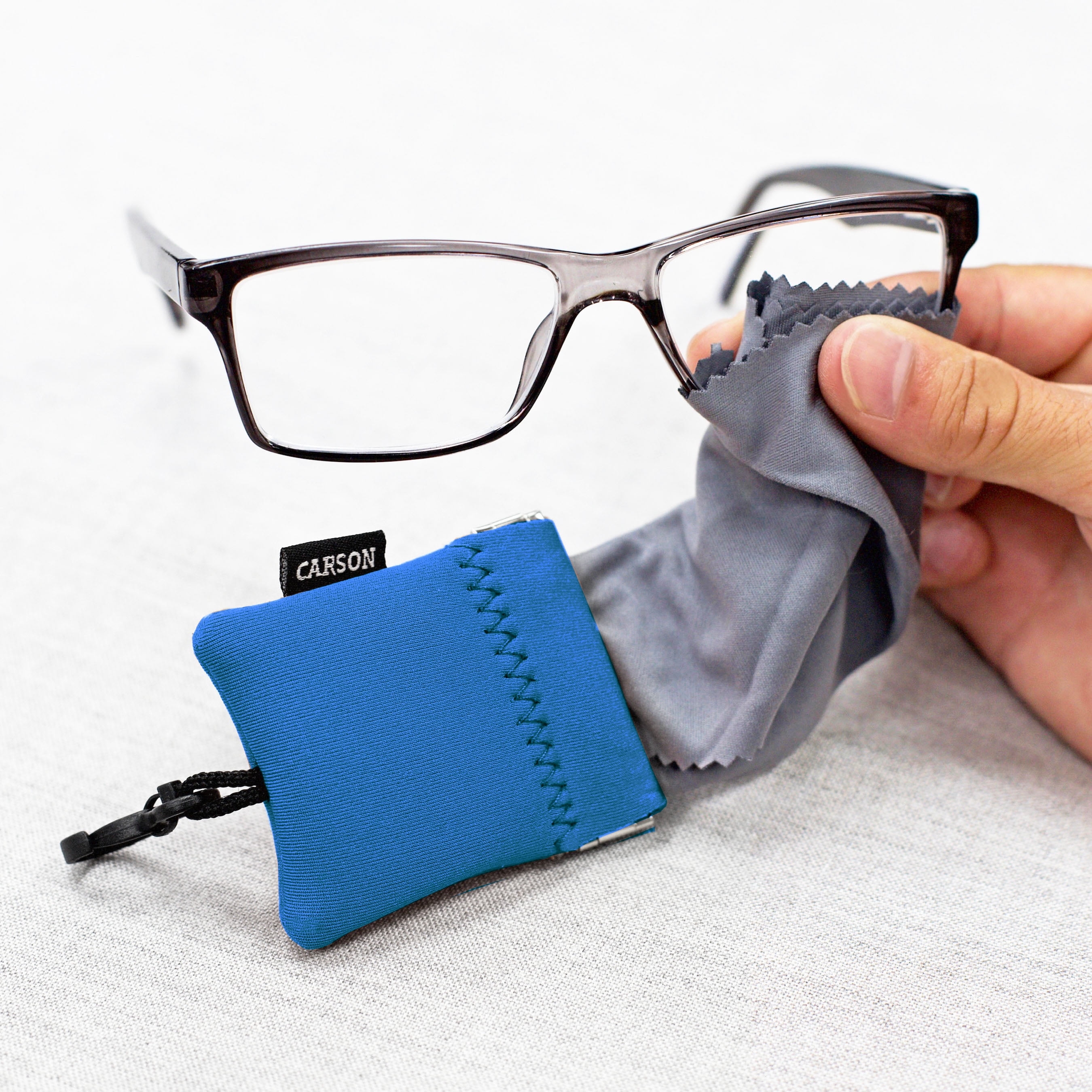
Credit: www.walmart.com
Frequently Asked Questions
How Do I Safely Clean Binocular Lenses?
Use an anti-bacterial lens cleaner and a microfiber cloth. Avoid harsh chemicals or rough materials. Gently wipe in circular motions to remove dirt and bacteria without scratching the lenses.
Can I Use Regular Cleaners On Binocular Lenses?
No, regular cleaners may damage lens coatings. Always use products specifically designed for optics. Anti-bacterial lens cleaners are safe and effective for cleaning binocular lenses without harm.
How Often Should I Clean Binocular Lenses?
Clean lenses when you see dirt, smudges, or bacteria buildup. Regular cleaning maintains clarity and hygiene. Avoid excessive cleaning to protect lens coatings and extend lens life.
What Are The Benefits Of Anti-bacterial Lens Cleaner?
It removes bacteria and prevents infections. It also cleans dirt and smudges effectively. Using it keeps binocular lenses hygienic and ensures clear, sharp vision every time.
Conclusion
Cleaning binocular lenses with anti-bacterial lens cleaner keeps your view clear. It removes dirt, germs, and smudges safely. Use a soft cloth and gentle wipes for best results. Regular cleaning helps protect your lenses from damage. Clean lenses give sharper, brighter images every time.
Keep your binoculars ready for outdoor adventures or bird watching. Simple steps make lens care easy and effective. Clean lenses mean better fun and longer use. Take care of your binoculars, and they will take care of you.