Your binoculars are your window to the world, especially during winter and in humid conditions. But when moisture, fog, or dirt cloud your lenses, your view becomes frustrating and unclear.
Cleaning your binocular lenses the right way isn’t just about seeing better—it protects your gear and saves you money. You’ll discover simple, effective steps to keep your lenses spotless and clear no matter the weather. Ready to enjoy crisp, sharp views every time you look through your binoculars?
Let’s dive in.
Winter Challenges For Binoculars
Cold and humid weather can fog up binocular lenses quickly. Gently wipe lenses with a soft cloth and use lens cleaner to remove moisture and dirt. Store binoculars in a dry place to prevent fogging and damage during winter.
Effects Of Cold On Lenses
Cold weather can make lenses foggy. Ice and frost stick on the glass. This makes it hard to see clearly. Low temperatures can cause the lenses to contract. This can lead to small cracks over time. Always clean them gently with a soft cloth. Warm the binoculars in your coat before using them.
Common Issues In Snow And Frost
- Snow can cover the lenses quickly.
- Frost can make them slippery to hold.
- Water spots can appear after snow melts.
- Frost can scratch the surface if rubbed.
- Keep binoculars dry with a protective case.

Credit: www.facebook.com
Humidity And Lens Care
Condensationforms on lenses when cold air meets warm moisture. This causes blurry vision and can harm your binoculars. Avoid sudden temperature changes by letting your binoculars warm up slowly. Use a soft cloth to gently wipe off any moisture. Never use hot air or direct heat to dry lenses.
Mold and mildewgrow in damp places and can damage lenses permanently. Store binoculars in a dry place with silica gel packs to absorb moisture. Clean lenses regularly with a microfiber cloth. Keep binoculars in a sealed case to protect from humidity. Check your equipment often to spot any signs of mold early.
Essential Cleaning Tools
Use microfiber clothsfor cleaning binocular lenses. These cloths are soft and do not scratch the glass. Avoid using paper towels or rough fabrics. They can damage the lens coating.
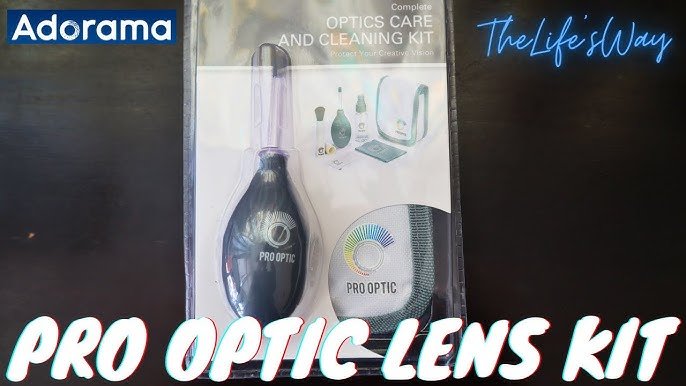
Small, soft brushes help remove dust and dirt. Choose brushes made for camera lenses or electronics. Gently sweep the lens surface to clear particles.
For safe cleaning solutions, use lens cleaning fluidsmade for optics. Never use household cleaners or alcohol. These can harm lens coatings and cause fogging.
Distilled water can help rinse lenses if no cleaner is available. Dry the lenses gently with a microfiber cloth after rinsing.
Step-by-step Cleaning Process
Start by placing the binoculars on a clean, dry surface. Remove any loose dirt or dust gently using a soft brush or a blower. Avoid using your fingers to prevent smudges.
Use a microfiber cloth or lens cleaning tissue to wipe the lenses softly. Apply lens cleaner or a mix of water and a tiny drop of dish soap for tough smudges. Wipe in a circular motion, never press hard.
Let the lenses air dry or use a clean, dry microfiber cloth. Avoid using tissues or paper towels as they can scratch the lenses. Store binoculars in a dry place to prevent moisture buildup during winter and humid days.
Storage Tips For Harsh Conditions
Protective cases keep binoculars safe from dust, dirt, and moisture. Choose cases made from water-resistant materials. Soft padded cases help avoid scratches. Hard cases provide extra protection against impacts. Always close the case tightly to prevent moisture entry. Store binoculars in their cases when not in use. This helps maintain lens clarity during winterand humid conditions.
| Humidity Control Method | Description |
|---|---|
| Silica Gel Packs | Absorb moisture inside the case to keep lenses dry. |
| Dehumidifiers | Small electric devices that remove moisture from storage areas. |
| Dry Cabinets | Special cabinets that maintain low humidity for sensitive gear. |
| Regular Airing | Open cases briefly in dry air to prevent mold growth. |

Credit: www.facebook.com
Preventive Measures For Lens Longevity
Keep binocular lenses clean to protect their qualityand clarity. Use a soft brush or air blower to remove dust before wiping. Avoid using your shirt or rough cloth, as they can scratchthe lens.
Store binoculars in a dry place. Use silica gel packs to absorb moisture during humidor winterseasons. This prevents foggingand mold growth on lenses.
- Handle binoculars with clean hands to avoid oil stains.
- Keep the lens caps on when not in use.
- Avoid touching lenses directly.
- Use a lens cleaning cloth made of microfiber.
Regularly check for dirt and wipe gently. Do not apply too much pressure. This keeps the lenses clear and damage-free.

Credit: www.facebook.com
Frequently Asked Questions
How Do I Prevent Fogging On Binocular Lenses In Winter?
Use anti-fog sprays or wipes designed for optics. Store binoculars in a dry, warm place. Avoid sudden temperature changes to reduce fog buildup.
What Is The Best Way To Clean Lenses In Humid Conditions?
Use a soft microfiber cloth and lens cleaning solution. Gently wipe in a circular motion to avoid scratches. Avoid using household cleaners or rough materials.
Can I Use Household Items To Clean Binocular Lenses?
No, household cleaners can damage lens coatings. Always use products made specifically for optical lenses. This protects clarity and extends lens lifespan.
How Often Should I Clean Binocular Lenses During Winter?
Clean lenses only when visibly dirty or foggy. Frequent cleaning may damage coatings. Regularly check for dust and moisture to maintain clarity.
Conclusion
Cleaning binocular lenses in winter and humid weather needs care and patience. Use a soft cloth and gentle strokes to avoid scratches. Keep lenses dry to prevent fog and damage. Store binoculars in a dry, clean place after use. Regular cleaning helps you see clearly and protects your gear.
Follow these steps often for the best results. Clear lenses mean better views, no matter the weather. Simple habits keep your binoculars ready for every adventure.