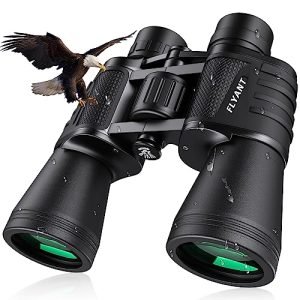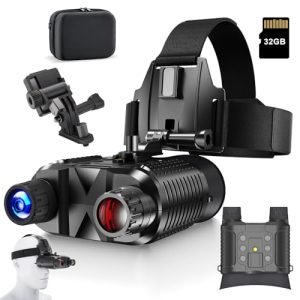
Your binoculars are your window to the world, capturing every detail with stunning clarity. But what happens when rain or humidity fogs up those precious lenses?
You might feel frustrated, worried about damaging your gear, or unsure how to clean them safely. Don’t let moisture ruin your view or your next adventure. In this guide, you’ll discover simple, effective steps to restore your binocular lenses quickly and protect them from future damage.
Keep reading to ensure your vision stays sharp no matter the weather.

Credit: manuals.plus
Effects Of Rain And Humidity On Binoculars
Rain and humidity can cause several problemsfor binocular lenses. Water droplets leave spotsand smudges. Humidity can lead to fogginginside the lenses. This happens because moisture gets trapped in small spaces.
Common lens issues include:
- Water spotsthat block clear vision.
- Fog buildupinside the lens.
- Surface scratchesfrom wiping wet lenses improperly.
- Fungal growthif moisture stays too long.
These problems reduce optical performance. Images become blurredor distorted. Colors may look faded. Focusing becomes harder. Good cleaning and drying help keep lenses clear and sharp.
Essential Cleaning Tools
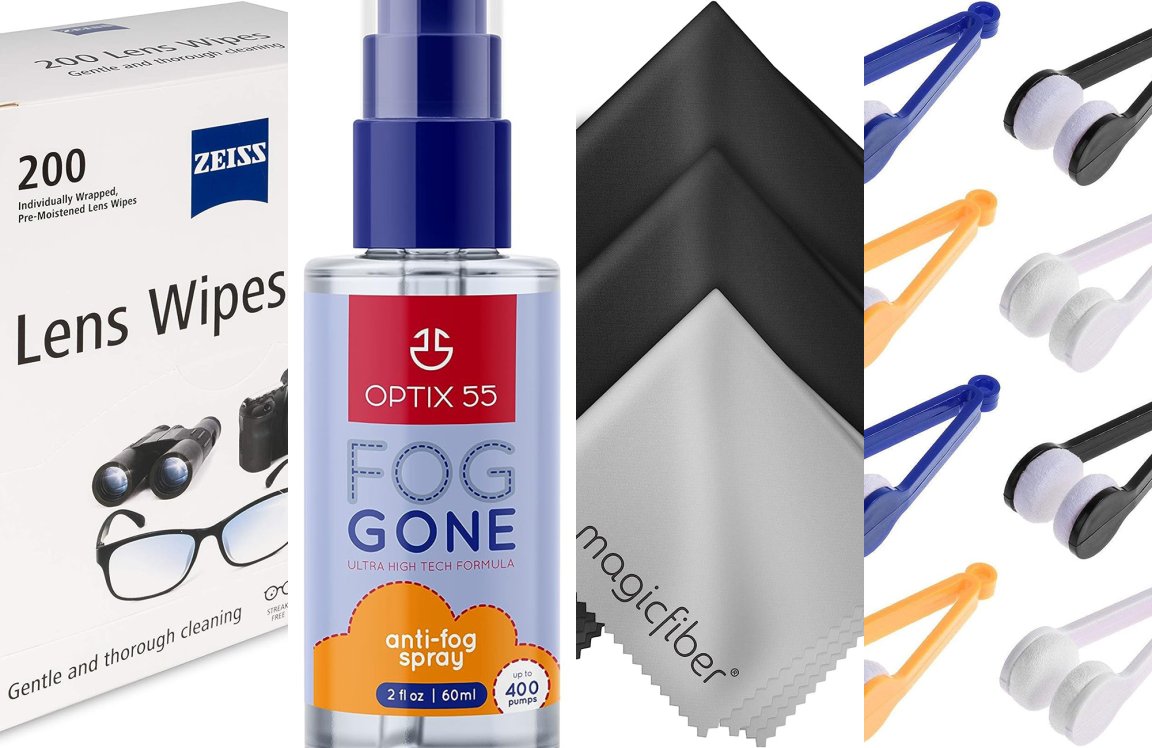
Soft microfiber cloths and lens cleaning solution are key for removing moisture gently. Use a blower brush to clear dust without scratching lenses.
Lens Cleaning Cloths
Use a soft, microfiber clothto clean the lens. It removes dust and moisturewithout scratching. Avoid using paper towels or fabric with rough textures. These can damage the lens.
Cleaning Solutions And Sprays
Choose a solution made for optical lenses. Spray a small amount on the cloth, not directly on the lens. This prevents liquid from seeping into the edges. Ensure the solution is alcohol-freeto avoid streaks.
Brushes And Air Blowers
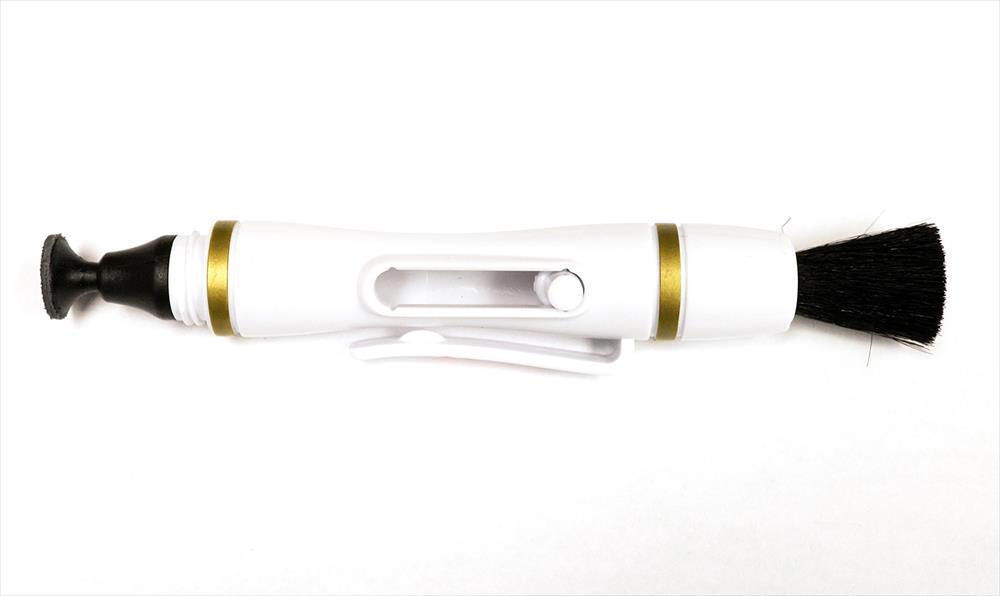
Use a soft brushto remove particles gently. An air blower can also help. It blows away dust without touching the lens. These tools are safe and easy to use.
Step-by-step Cleaning Process
Use a soft brush or air blower to remove loose dust. Avoid wiping dry dust directly.
Gently wipe lenses with a clean microfiber cloth to clear small particles. This prevents scratches.
- Lightly dab water spots with a damp microfiber cloth.
- Use lens cleaning solution if spots don’t come off easily.
- Never use harsh chemicals or paper towels.
Let lenses air dry in a cool, shaded place. Avoid direct sunlight or heat.
Use a dry microfiber cloth for gentle drying if needed. Do not rub hard.
Credit: binocularscanada.com
Preventive Measures For Future Protection
Using lens coverskeeps binocular lenses safe from rain and dust. They block water and dirt, preventing damage. Always put the covers on after use.
Proper storage is key. Keep binoculars in a dry, cool place. Avoid places with high humidity. Use a sealed case to protect them from moisture.
Applying protective coatingson lenses helps repel water. These coatings reduce fog and make cleaning easier. Use coatings made for optical lenses only.
When To Seek Professional Help
Cloudy or foggy lenses insideoften mean moisture got trapped. This can blur your view and damage coatings. Spots or stains that don’t wipe away might be mold. Scratches or cracks inside lenses are serious issues. If lenses do not focus properly, internal parts may be damaged. Strange smells or rust sounds signal internal rust or corrosion.
Repairing inside parts needs special tools. Professionals can open and clean lenses safely. They can replace seals to stop future leaks. Repair shops also check and fix focusing and alignment. Regular cleaning by experts extends binocular life. Avoid trying to fix inside parts yourself. It may cause more harm than good.
Credit: www.popsci.com
Frequently Asked Questions
How Do I Safely Dry Binocular Lenses After Rain Exposure?
Use a soft microfiber cloth to gently blot lenses. Avoid rubbing to prevent scratches. Let binoculars air dry in a shaded area to remove moisture fully. Never use heat sources like hair dryers as they can damage coatings.
Can Humidity Damage Binocular Lenses Permanently?
High humidity can cause internal fogging and mold growth. Prolonged exposure may damage lens coatings and optics. Proper drying and storage in a dry case help prevent permanent damage. Use silica gel packs to absorb moisture during storage.
What Cleaning Tools Are Best For Wet Binocular Lenses?
Use a clean microfiber cloth and lens cleaning solution designed for optics. Avoid paper towels or rough fabrics that scratch lenses. Lens cleaning pens and air blowers also help remove dirt without harming coatings.
How Often Should I Clean Binocular Lenses After Rain?
Clean lenses immediately after rain to prevent water spots and mold. Regular cleaning after outdoor use maintains clarity and extends lifespan. Avoid over-cleaning; only clean when lenses appear dirty or fogged.
Conclusion
Cleaning binocular lenses after rain and humidity protects your view. Use soft cloths and gentle motions to avoid scratches. Keep lenses dry by storing them in a sealed case. Regular care helps maintain clear, sharp images every time. Taking these simple steps extends your binoculars’ life.
Clear lenses mean better outdoor adventures and enjoyable experiences. Remember, patience and care work best for lens cleaning. Your binoculars will thank you with clearer sights and lasting use.