Are you ready to get closer to nature and see wildlife like never before? Choosing the right binoculars can make all the difference in your outdoor adventures.
But with so many options out there, how do you pick the perfect pair for your needs? Don’t worry—this guide will help you understand exactly what to look for, so you can enjoy sharp, clear views without any confusion or frustration.
Keep reading, and soon you’ll know how to find wildlife binoculars that feel just right for you.
Credit: www.huntstand.com
Key Features To Consider
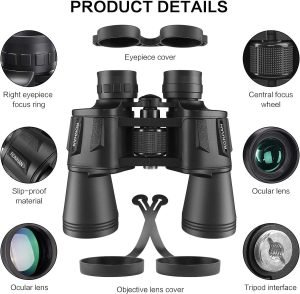
Choosing binoculars involves checking their size, weight, and magnification power. Clear lenses and good light gathering help see animals better, especially in low light. Comfort and ease of use make longer wildlife watching more enjoyable.
Magnification And Lens Diameter
Choosing the right magnification is important. Beginners should start with 8x or 10x magnification. It allows you to see wildlife clearly. Lens diameter affects the brightness. A 42mm lens diameter is ideal for beginners. It balances light and size well.
Field Of View And Eye Relief
Field of view helps you see more at once. Wider is better for watching animals. Eye relief is for comfort. It’s important for glasses wearers. Look for at least 15mm of eye relief. It will keep your eyes happy.
Prism Type And Coatings
Prisms affect clarity. Roof prisms are compact and good for beginners. Coatings improve brightness and reduce glare. Multi-coated lenses are best. They help you see wildlife in detail. Choose binoculars with good coatings.
:max_bytes(150000):strip_icc()/tal-athlon-optics-8x42-midas-uhd-binoculars-signe-bamsey-ben-wanamaker-09-1-8caa644274c046f78e4cc47a08bb9750.jpeg)
Credit: www.travelandleisure.com
Types Of Binoculars For Wildlife
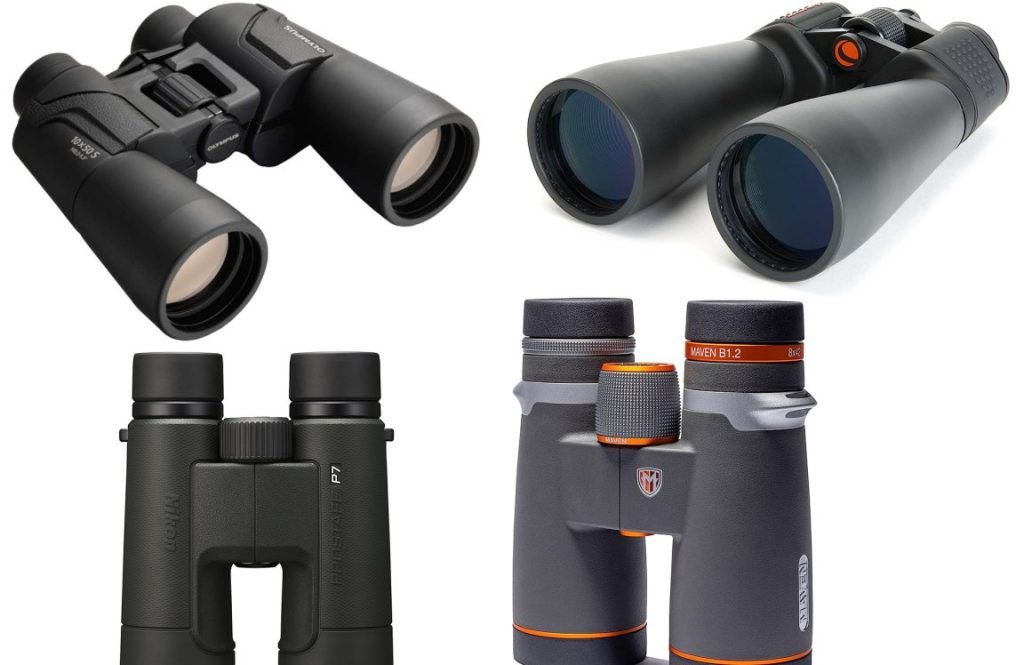
Compact binoculars are small and easy to carry. They fit well in pockets and backpacks. Full-size models are bigger and heavier but give better views. They show more detail at a distance.
Waterproof binoculars protect against rain and splashes. Fogproof models prevent lenses from misting inside. Both types are great for outdoor use. They keep your view clear in wet or cold weather.
| Type | Size | Weight | Best For | Features |
|---|---|---|---|---|
| Compact | Small | Light | Easy carrying, casual use | Less detail, portable |
| Full-Size | Large | Heavier | Detailed viewing, long distance | Better clarity, wider view |
| Waterproof | Varies | Varies | Wet weather, rainy days | Sealed against water |
| Fogproof | Varies | Varies | Cold or humid conditions | Anti-fog lens coating |
Comfort And Ergonomics
Choosing binoculars with the right weight and sizeis key for comfort. Lightweight binoculars reduce arm strain during long use. Smaller sizes are easier to carry but may offer less view.
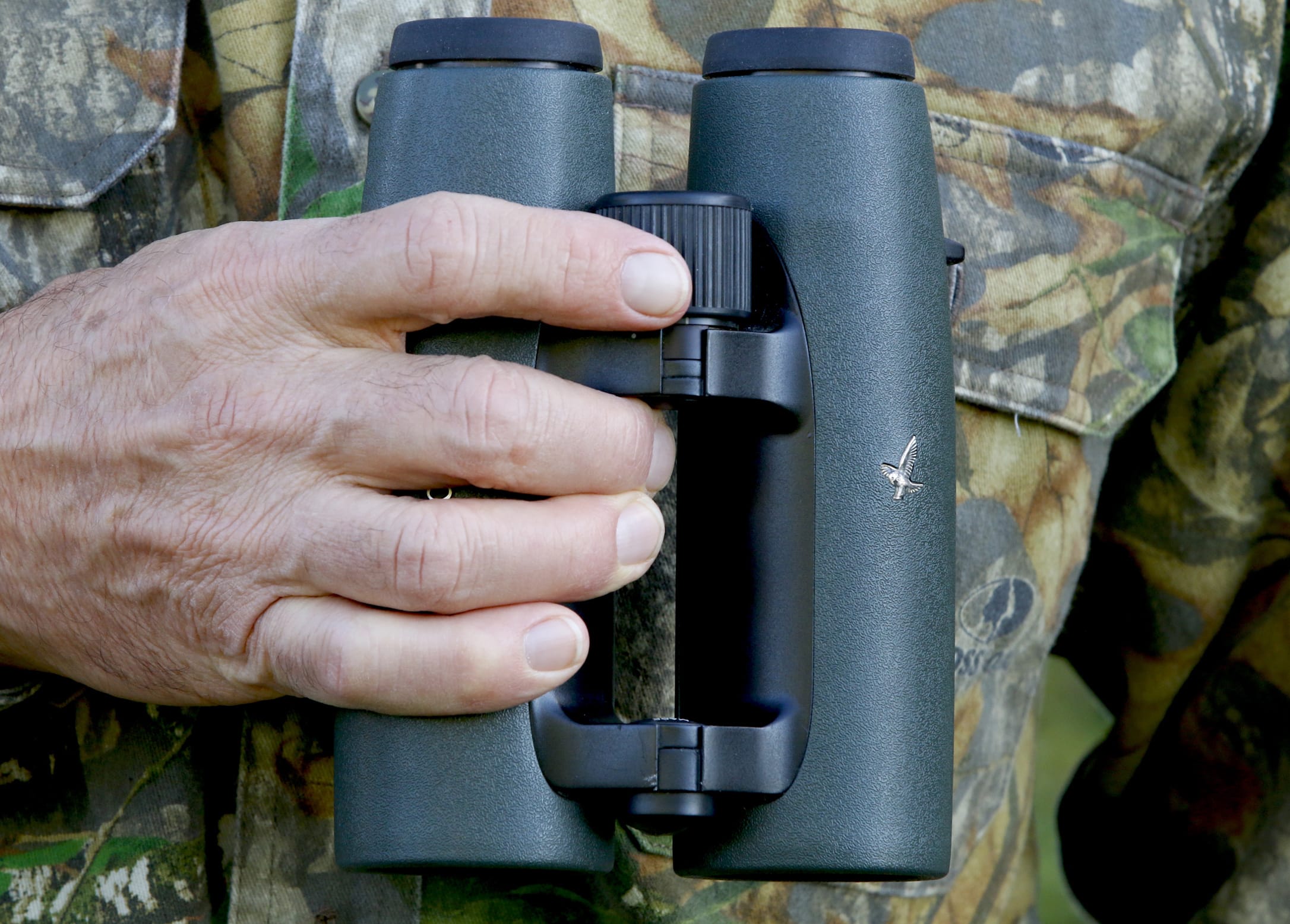
Grip and handlingmatter for steady viewing. Look for binoculars with a textured or rubber coating. This helps keep them from slipping, especially in wet or cold conditions.
- Lightweight models are best for long hikes.
- Compact size fits easily in pockets or bags.
- Non-slip grip helps hold binoculars steady.
- Check if the binoculars feel balanced in your hands.
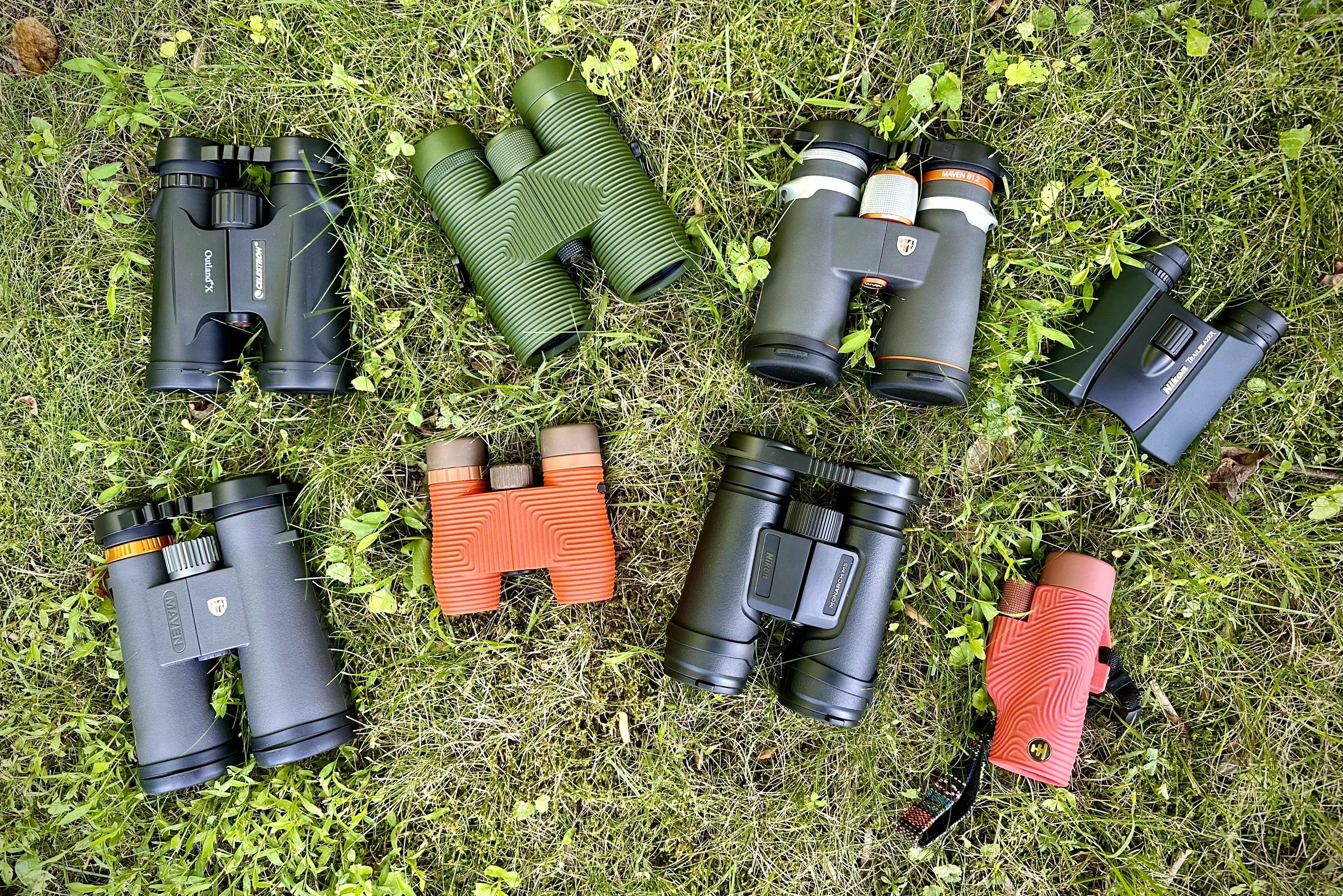
Credit: gearjunkie.com
Budget And Brand Choices
Affordable binoculars can offer good performancefor beginners. Look for models with a magnificationof 8x to 10x and an objective lens sizearound 32mm to 42mm. These are easy to carry and provide clear views. Many budget binoculars have coated lenseswhich improve brightness and reduce glare. Check for a sturdy build and comfortable grip to use during long wildlife watching sessions.
Some trusted brandsoffer reliable options for beginners. These brands focus on durabilityand optical qualitywithout a high price tag. Brands like Nikon, Bushnell, and Celestron are known for making beginner-friendly models. They also provide good warranty and customer support, which is useful for new users.
| Brand | Good for | Approximate Price |
|---|---|---|
| Nikon | Clear images, easy to use | $50 – $150 |
| Bushnell | Durable, budget-friendly | $40 – $120 |
| Celestron | Good optics, beginner focus | $60 – $130 |
Tips For Testing And Buying
Test binoculars outside to see how they work in real life. Check if they are easy to hold and focus. Look at far objects to see if the view is clear and bright. Notice if the binoculars feel heavy or uncomfortable after some time. Try them in different light conditions like bright sun and shade.
Read the warranty details carefully. A good warranty covers repairs or replacements. Check how long the warranty lasts and what it includes. Also, look for return policies. Some stores allow returns if you don’t like the binoculars. Know the time limit for returns and any fees involved.
Frequently Asked Questions
What Magnification Is Best For Beginner Wildlife Binoculars?
A 8x or 10x magnification is ideal for beginners. It balances clarity and ease of use, perfect for wildlife viewing.
How Important Is Binocular Lens Size For Wildlife Observation?
Lens size affects brightness and field of view. Larger lenses gather more light, improving visibility in low light conditions.
Should Beginners Choose Waterproof Binoculars For Wildlife?
Yes, waterproof binoculars are recommended. They protect against rain, moisture, and fog, ensuring durability in outdoor environments.
What Weight Should I Consider For Beginner Wildlife Binoculars?
Lightweight binoculars under 600 grams are best. They reduce arm fatigue during long wildlife watching sessions.
Conclusion
Choosing the right wildlife binoculars makes your outdoor trips better. Focus on comfort, size, and clear vision. Remember, durability matters for long adventures. Test different models to see what feels good. A good pair helps you spot animals easily. Enjoy nature with confidence and sharp views.
Your perfect binoculars are out there waiting. Take your time and pick what fits best. Happy wildlife watching!