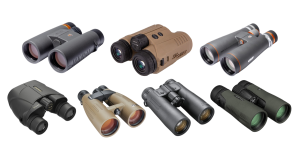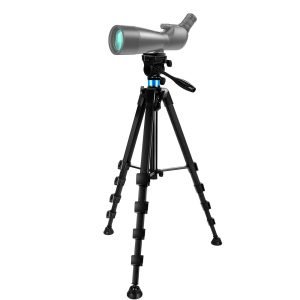
Are you tired of shaky views ruining your outdoor adventures? Choosing the right tripod compatible binoculars can change everything.
With the right pair, you get steady, clear images that make every detail pop. But how do you know which binoculars will work perfectly with your tripod? This guide will walk you through simple steps to find the best match for your needs.
Keep reading, and you’ll soon enjoy smooth, hands-free viewing that brings your favorite scenes to life.

Credit: www.amazon.com
Benefits Of Tripod Compatible Binoculars
Tripod compatible binocularsoffer steady views for long periods. Your arms won’t tire holding them. For bird watching, they are great. You can focus on details without shaking. Stargazers love them too. They provide clear skies and stars. Perfect for night viewing. Nature lovers enjoy the stability. It helps spot wildlife easily. You won’t miss fast-moving animals.
Photographers find them useful. They help capture sharp images. No blurry shots with stable support. A tripod keeps binoculars firm. It adds extra balance in windy areas. This feature is helpful outdoors. Tripods are great for group events. Everyone can see through them.
- Steady views for long periods
- Great for bird watching
- Perfect for stargazing
- Helpful in windy areas
- Useful for photographers
- Good for group events
Key Features To Look For
Magnificationshows how much closer objects appear. Higher magnification means clearer views but can be shaky. The objective lens sizeaffects light entry. Bigger lenses give brighter images but add weight. Find a balance for your needs.
Weightmatters for carrying comfort. Lightweight binoculars are easier to hold for long times. Portability helps if you walk or hike a lot. Choose a size that fits your trips.
Check if binoculars have a tripod mount. This helps keep views steady for high magnification. Some models include adapters or built-in mounts. Tripod compatibility is key for long watching sessions.
Durabilitymeans the binoculars last longer. Look for weather resistancelike waterproof and fog-proof features. These protect binoculars from rain and cold. Tough materials help in rough outdoor use.
Types Of Tripod Mounts
Standard thread mountsare common on most binoculars. They use a small screw hole at the bottom to attach to tripods. This mount fits many tripod heads and adapters. It is simple and reliable, but may need a special adapter for some tripods.
Adapter compatibilitymatters a lot. Not all tripod mounts fit all binoculars. Some binoculars need a specific adapter to connect to the tripod. Always check the size and type of the thread on your binoculars before buying an adapter. This ensures a secure fit and steady viewing.
Quick release systemsmake attaching and removing binoculars faster. These systems have two parts: one on the binocular and one on the tripod. You can click the binoculars on or off quickly. This is useful for fast setup and pack up. It also protects your binoculars from dropping.
Matching Binoculars With Your Tripod
Choose a tripod that can hold the weightof your binoculars easily. Check the weight capacityon the tripod’s label. A tripod with too low a capacity will shake and cause blurry views.
Look for tripods with good stability. Strong legs and a solid base help reduce vibrations. This keeps your view steady, especially at high zoom levels.
| Binocular Weight | Recommended Tripod Capacity |
|---|---|
| Under 1 lb (450 g) | At least 2 lbs (900 g) |
| 1 to 3 lbs (450 g to 1.4 kg) | At least 4 lbs (1.8 kg) |
| Over 3 lbs (1.4 kg) | At least 6 lbs (2.7 kg) |
- Use tripods with rubber feet for better grip.
- Consider tripods with adjustable legs for uneven ground.
- Check if the tripod head fits your binocular mount.
Additional Features To Enhance Experience
Image stabilizationhelps keep the view steady. It reduces shaking caused by hand or wind. This feature is very helpful for long-distance viewing or using high magnification. It makes images clear and less blurry.
Eye relief and comfortaffect how easy it is to see through binoculars. Longer eye relief is best for people who wear glasses. Comfortable eyecups also protect your eyes from dust and light. This helps you use binoculars for a longer time without strain.
Lens coatingsimprove light transmission and reduce glare. Coated lenses show brighter and clearer images. Some coatings also protect lenses from scratches and water. Different binoculars have different types of coatings, so choose one that fits your needs.
Budgeting And Brand Recommendations
Setting a budgethelps narrow down choices quickly. Tripod compatible binoculars range from affordableto high-end. Decide how much you want to spend before shopping. This avoids overspending or buying poor quality.
Brand reputation matters. Some brands offer reliable durabilityand good optics. Trusted names often provide better customer support and warranties. This can save money in the long run.
| Price Range | Brand Recommendations | Key Features |
|---|---|---|
| Under $100 | Barska, Celestron | Basic tripod adapter, entry-level optics |
| $100 – $300 | Nikon, Bushnell | Good image quality, sturdy build, tripod ready |
| Above $300 | Vortex, Zeiss | Superior optics, weatherproof, professional-grade |
Check if the binoculars have a standard tripod mount. This ensures easy attachment. Reading reviews helps find models that work well with tripods.
Maintenance Tips For Longevity
Keep binoculars clean by gently wiping lenses with a soft cloth. Avoid using rough materials that can scratch them. Store binoculars in a dry place to stop moisture damage. Use a lens cover when not in use to protect against dust and dirt.
Check tripod connections regularly. Tighten screws and bolts to keep binoculars stable. Avoid dropping or hitting binoculars to prevent damage. If binoculars get wet, dry them carefully before storing.
- Use a soft brush to remove dirt from small parts.
- Do not use harsh chemicals for cleaning lenses.
- Keep binoculars away from extreme heat or cold.
- Regularly inspect for cracks or loose parts.

Credit: www.amazon.com

Credit: www.instagram.com
Frequently Asked Questions
What Makes Binoculars Tripod Compatible?
Tripod compatible binoculars have a threaded socket for mounting on a tripod. This feature offers stability and reduces hand shake for clearer viewing.
How To Check If Binoculars Fit A Tripod?
Look for a tripod adapter socket or a removable center hinge cap. This indicates the binoculars can attach securely to a tripod.
Why Use A Tripod With Binoculars?
A tripod stabilizes binoculars during extended viewing. It prevents fatigue and improves image clarity, especially at high magnifications or in low light.
Which Binoculars Are Best For Tripod Use?
Binoculars with larger objective lenses and tripod adapters are ideal. They offer better light gathering and steady viewing when mounted.
Conclusion
Choosing tripod compatible binoculars takes careful thought and simple checks. Focus on weight, tripod mount type, and binocular size. Check if the binoculars have a standard tripod adapter. Stability matters for clear, steady views. Don’t forget comfort during long use.
Remember, the right choice improves your viewing experience. Take your time to compare options and pick what fits best. This way, you enjoy sharp, steady sights every time you use your binoculars.