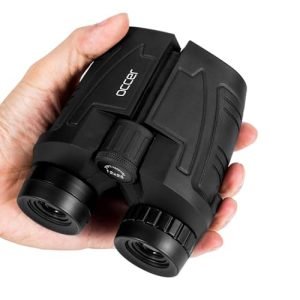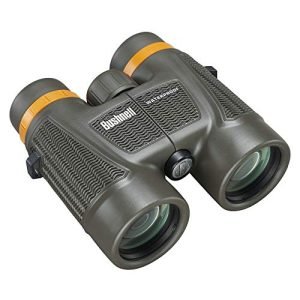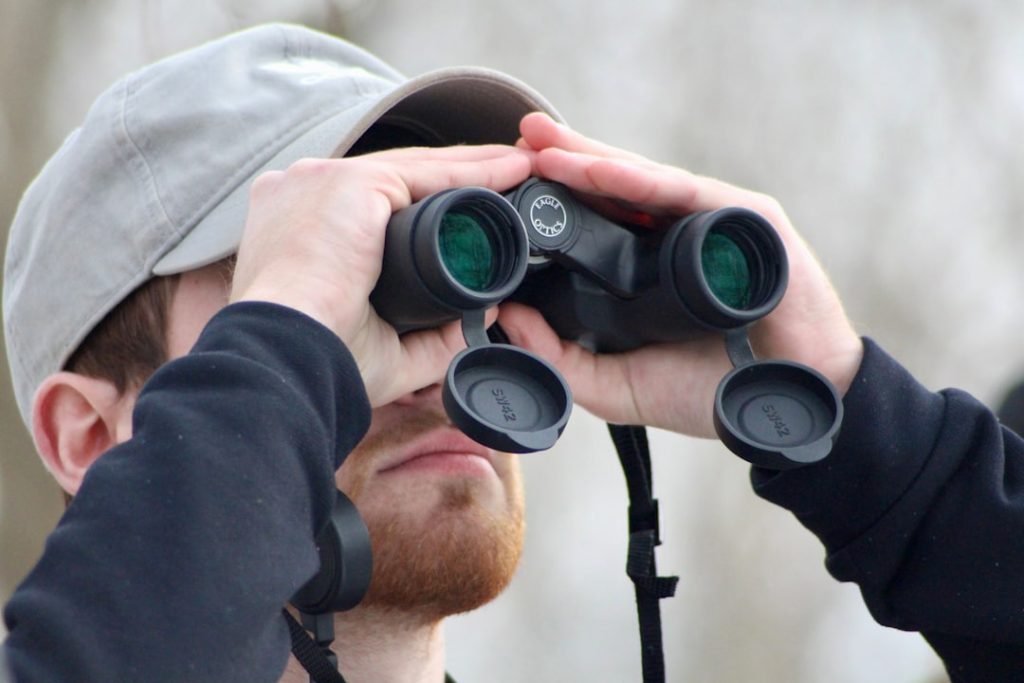
Are you thinking about buying surveillance binoculars but feel overwhelmed by all the options? Choosing the right pair can make a huge difference in how clearly and comfortably you see distant objects.
Whether you want them for wildlife watching, security, or just keeping an eye on things, picking the perfect binoculars is easier than you think. In this guide, you’ll discover simple tips that help you find binoculars that match your needs and budget.
Keep reading, and you’ll soon feel confident making the best choice for your next adventure.
Credit: www.digitalcameraworld.com
Key Features To Consider
Choosing binoculars with clear lens quality and good magnification helps beginners see details from far away. Lightweight and comfortable designs make them easier to carry and use for longer times. Durable materials protect the binoculars during outdoor activities.
Magnification Power
Magnificationhelps you see things closer. More power means more detail. Beginners should choose between 8x and 10x. Higher power makes objects appear larger. But, it can be hard to hold still.
Lens Diameter
Lens diameteraffects how much light gets in. A larger lens gathers more light. This gives brighter images. Look for lenses between 40mm to 50mm. Bigger lenses can be heavy.
Field Of View
Field of viewis how wide you can see. Bigger fields show more area at once. It helps track moving things. Choose binoculars with wide fields for better viewing.
Image Stabilization
Image stabilizationkeeps images steady. It helps reduce shaking. Steady images are easier to see. This feature is helpful for beginners.
Night Vision Capabilities
Night visionlets you see in dark places. It uses special technology. Some binoculars have this feature. It’s useful for night watching.

Credit: www.celestron.com
Types Of Surveillance Binoculars
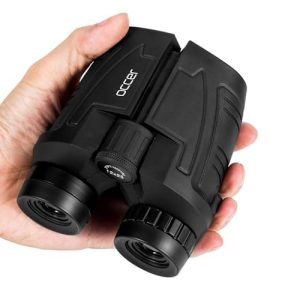
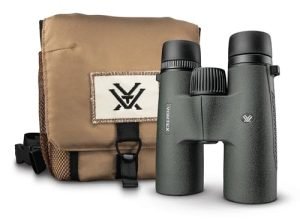
Standard binocularsare the most common type. They use lenses and prisms to magnify distant objects. These binoculars work well in daylight and are easy to use. They do not have any electronic parts, so they are light and affordable.
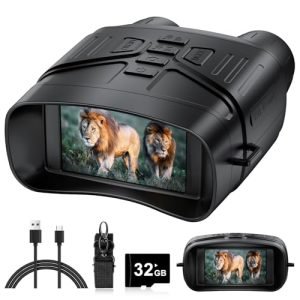
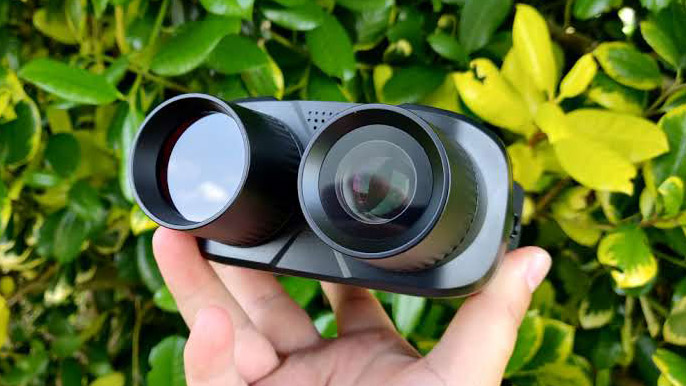
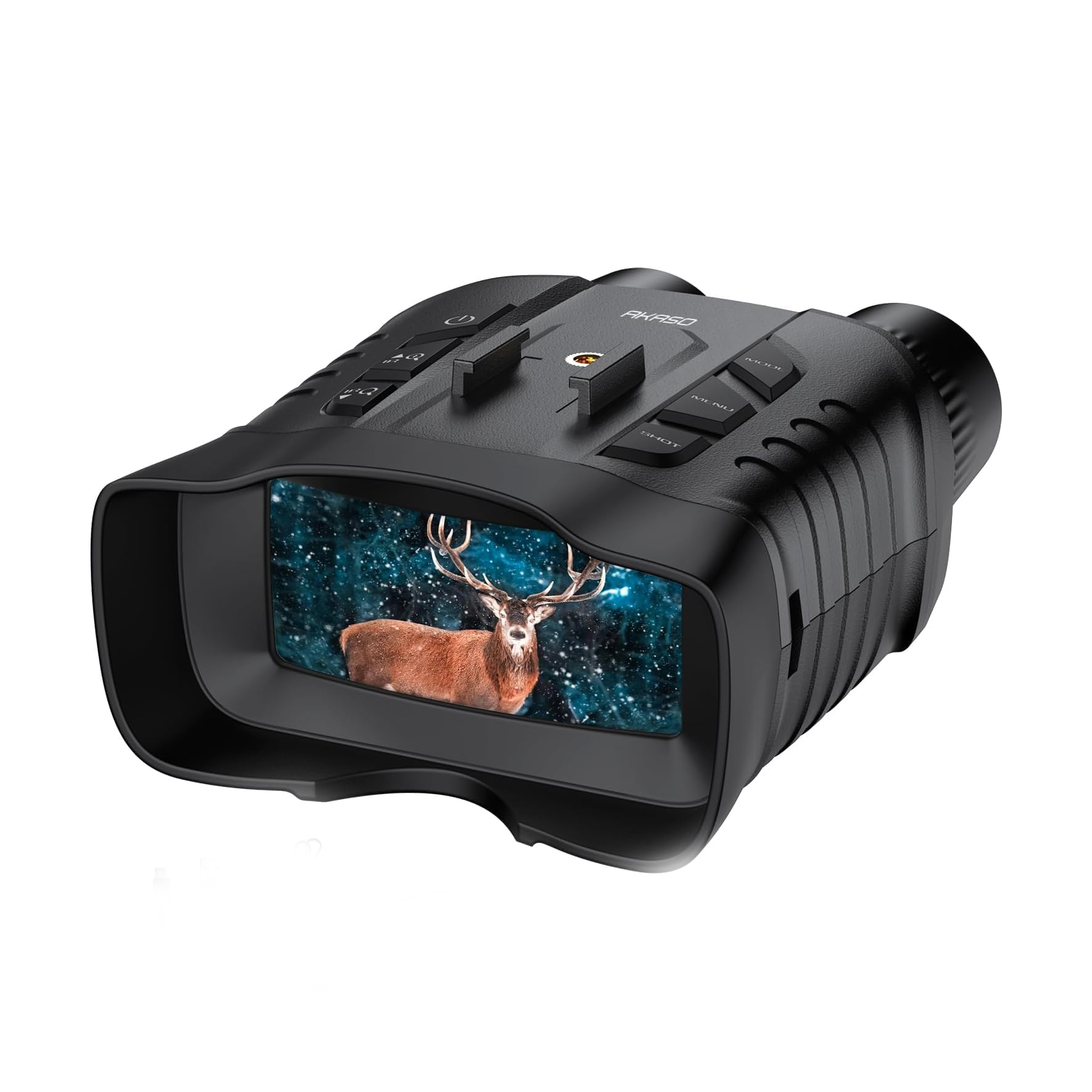
Digital binocularshave a built-in camera and screen. They can record videos and take pictures. These binoculars work well in low light and can zoom in digitally. They need batteries to work and are usually heavier.
Thermal binocularsdetect heat from objects. They show warm things as bright spots, even in total darkness. These are good for night surveillance and spotting animals or people hidden in bushes.
Infrared binocularsuse infrared light to see in the dark. They show images by capturing reflected infrared light. These are great for night use but need infrared light to work well.
Choosing The Right Size And Weight
Choosing binoculars with the right size and weightis key for easy use. Portability matters most for beginners who move a lot. Lightweight models help avoid tired hands and neck pain. Compact binoculars fit easily in bags or pockets, making them perfect for travel.
Comfort during use is just as important. Look for binoculars with rubber gripsto hold firmly. Adjustable eyecups help protect eyes and improve viewing. Make sure the binoculars balance well in your hands to avoid strain. Straps can add extra comfort and security.
Durability And Weather Resistance
Surveillance binoculars must be waterproofto work well in rain or fog. Water can damage lenses and internal parts.
Shockproof featuresprotect binoculars from drops and bumps. This keeps them working even after rough use.
The build materialsshould be strong but light. Rubber coatings help with grip and add extra protection.
| Feature | Why It Matters |
|---|---|
| Waterproofing | Keeps binoculars safe in wet weather |
| Shockproof | Prevents damage from falls or hits |
| Build Materials | Ensures durability and easy handling |
Budget And Price Considerations
Entry-level binocularsusually cost less and suit beginners well. They offer basic features and clear views but may lack durability. These models are great for simple surveillance tasks and short usage times.
Mid-range choicesbalance price and quality. They provide better optics and stronger build. These binoculars often include features like night vision or image stabilization, which improve viewing comfort and accuracy.
High-end modelscome with advanced technology and premium materials. They are designed for long use and tough conditions. Expect sharper images, waterproofing, and enhanced zoom capabilities. These are ideal for serious users who need reliable performance.
| Price Range | Features | Best For |
|---|---|---|
| Low | Basic optics, lightweight | Beginners, casual use |
| Medium | Improved optics, extra features | Regular users, moderate budgets |
| High | Advanced tech, rugged build | Professional use, long-term |
Additional Accessories To Enhance Experience
Tripods and mounts help keep binoculars steady. They reduce shaking, which improves image clarity. A tripod is great for long viewing sessions. Mounts attach binoculars to different surfaces. This adds convenience and stability.
Carrying cases protect binoculars from dust and damage. They make it easier to carry binoculars safely. Look for cases with padding and sturdy material. Some cases have extra pockets for small accessories.
Lens cleaning kits keep binocular lenses clear and sharp. They usually include a brush, cleaning solution, and cloth. Using the right kit prevents scratches on lenses. Clean lenses give brighter and clearer views.
Tips For Testing Binoculars Before Purchase
Check the clarityby looking at objects both near and far. Make sure the image stays sharp and clear.
Test the focuswheel to see if it moves smoothly. It should be easy to adjust without much effort.
Comfortis key. Hold the binoculars for a few minutes to see if they feel heavy or awkward.
Try different grip styles. The binoculars should fit your hands well and not cause strain.
Ease of use matters. Practice folding and unfolding the binoculars to check if the mechanism is simple.
Look for buttons or dials that are easy to reach and operate. Avoid complicated controls.
Credit: www.digitalcameraworld.com
Frequently Asked Questions
What Features Should Beginners Look For In Surveillance Binoculars?
Beginners should focus on magnification, lens diameter, and image clarity. Lightweight and waterproof models are ideal. Easy-to-use focus and durable build enhance the experience. These features ensure clear, stable views for effective surveillance.
How Important Is Magnification In Surveillance Binoculars?
Magnification affects how close objects appear. For beginners, 7x to 10x is ideal. Higher magnification can reduce image stability and brightness. Choose magnification that balances detail and ease of use for surveillance.
Should Beginners Choose Waterproof Surveillance Binoculars?
Yes, waterproof binoculars protect against rain and moisture. This durability is crucial for outdoor use. Waterproof models ensure consistent performance in various weather conditions. They are a smart choice for reliable surveillance.
How Does Lens Diameter Affect Binocular Performance?
Lens diameter impacts light gathering and image brightness. Larger lenses provide clearer, brighter images in low light. Beginners should select lens sizes between 30mm and 42mm. This size offers a good balance of brightness and portability.
Conclusion
Choosing the right surveillance binoculars can feel tricky at first. Focus on clear vision, comfort, and durability. Think about your main use and budget. Test different models if you can. Remember, the best binoculars fit your needs and are easy to handle.
Taking time to choose well helps you enjoy better viewing. Start simple, then explore more features later. Good binoculars make watching far places easy and fun. Keep these tips in mind for a smart choice.