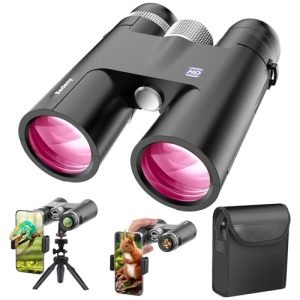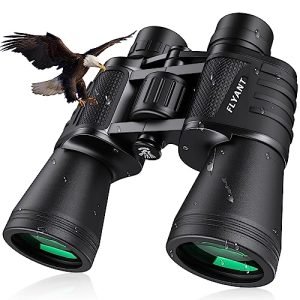
Choosing the right lightweight camping binoculars can make all the difference in your outdoor adventures. You want something easy to carry, yet powerful enough to bring distant views into clear focus.
But with so many options out there, how do you find the perfect pair that fits your needs without weighing you down? This guide will help you understand exactly what to look for, so you can enjoy every moment of your trip with sharp, vibrant sights—and no extra bulk.
Keep reading to discover the simple steps that will make your choice easy and smart.
Credit: www.outdoorlife.com
Benefits Of Lightweight Binoculars
Lightweight binoculars make hiking and camping easier by reducing the load you carry. They offer clear views without causing arm fatigue. Choosing the right pair helps you enjoy nature without extra weight slowing you down.
Ease Of Carrying
Lightweight binoculars are easy to carry. They fit in small bags. You can hang them around your neck without discomfort. Their compact size makes them travel-friendly. Perfect for long hikes or camping trips.Reduced Fatigue
Heavy binoculars can tire your arms. Lightweight ones reduce arm fatigue. You can use them for longer periods. They are comfortable to hold and use. Great for extended bird watching or nature exploring.Versatility In Outdoor Activities
Light binoculars work well in many settings. Suitable for bird watching, hiking, and sports events. They adapt to different outdoor activities. They offer good performance in various conditions. Ideal for adventure lovers and nature enthusiasts. `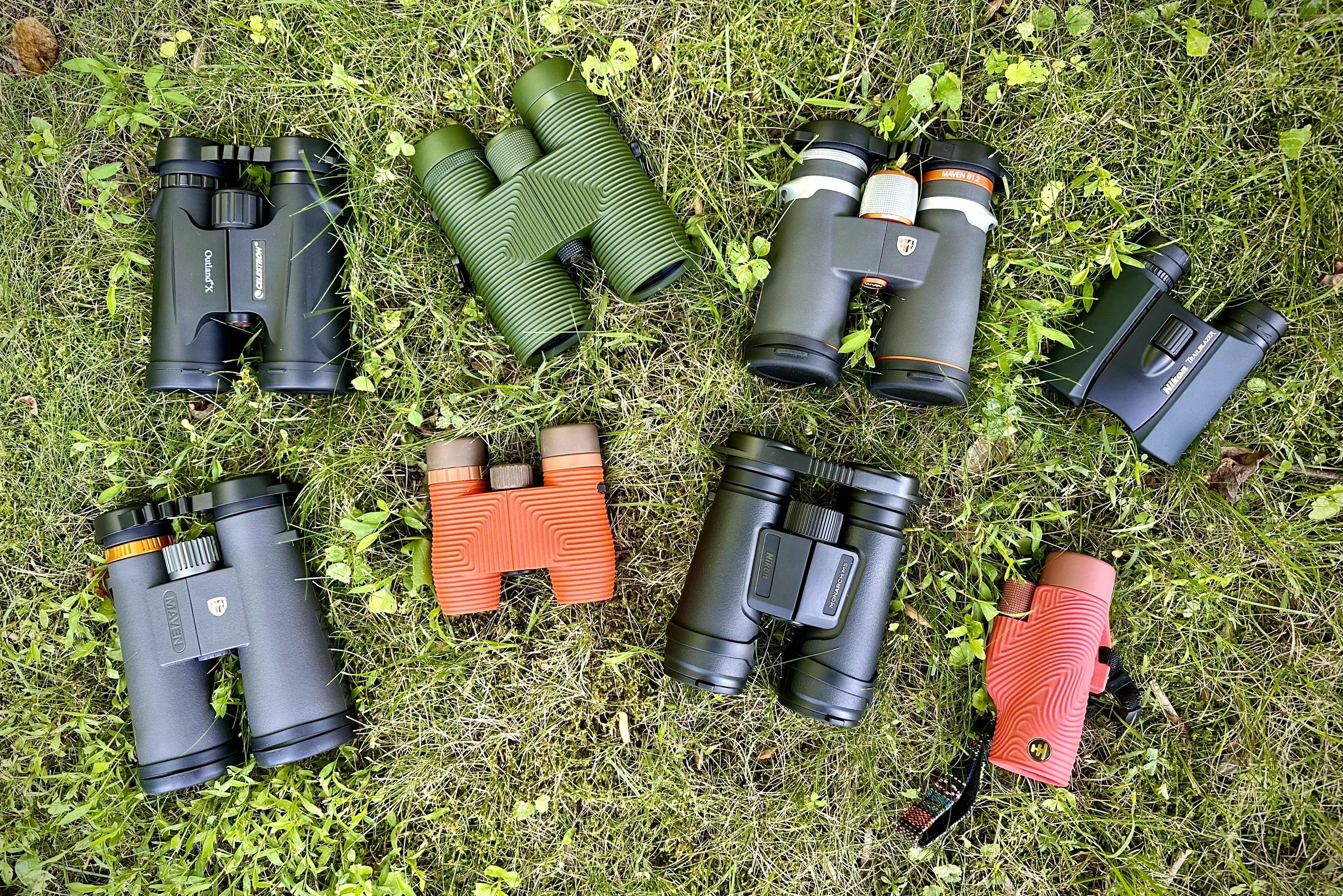
Credit: gearjunkie.com
Key Features To Consider
Magnificationshows how close objects appear. A range of 8x to 10x works well for camping. Lens diametercontrols how much light enters. Bigger lenses give brighter views but add weight.
Field of viewmeans how wide you see through binoculars. A wider view helps spot animals and landmarks easily. Look for at least 300 feet at 1000 yards.
Optical qualityaffects sharpness and color. Choose binoculars with coated lenses to reduce glare. This improves clarity and comfort during use.
Durabilitymatters in rough outdoor use. Pick models with rubber armor to protect against drops. Weather resistancekeeps them safe from rain and fog. Look for waterproof and fog-proof labels.
Materials And Build
Choosing binoculars made from lightweight materialslike aluminum or magnesium helps reduce weight. These metals are strong and do not add bulk. Some models use carbon fiber, which is even lighter and durable. Plastic bodies can be light but may not last long.
An ergonomic designmeans the binoculars fit well in your hands. They should feel comfortableduring long use. Rounded edges and smooth shapes help avoid hand strain. Compact shapes are easier to carry.
- Good gripprevents slipping, especially when hands are wet.
- Textured surfaces or rubber coatings improve handling.
- Check for non-slipfeatures to keep binoculars steady.
Types Of Lightweight Binoculars
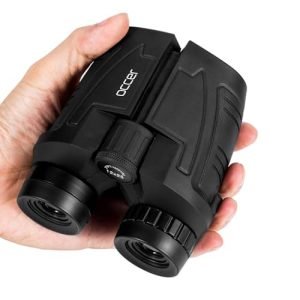
Compact binocularsare small and light. They fit easily in a pocket or bag. Great for hiking or quick trips. Their size means they may have a smaller lens. This can affect how much light they capture.
| Type | Shape | Advantages | Disadvantages |
|---|---|---|---|
| Porro Prism | Wider, zigzag shape | Better depth and wider view | Usually bulkier and heavier |
| Roof Prism | Straight, slim shape | Compact and lightweight | More expensive to make |
- Specialized modelsfocus on certain uses, like bird watching or stargazing.
- They may have extra features like waterproofing or night vision.
- Choose based on what activities you plan to do most.
Budget And Brand Considerations
Choosing lightweight camping binocularsinvolves balancing price and performance. Expensive models often offer better optics and durability. Cheaper options can work but may lack clarity or build quality.
Trusted brandslike Nikon, Bushnell, and Vortex are known for reliable binoculars. They provide consistent image qualityand long-lasting materials. Picking a well-known brand reduces the risk of disappointment.
Check the warranty and customer supportbefore buying. A good warranty protects against defects and damage. Responsive customer service helps if you have questions or issues.
Tips For Testing Before Buying
Try holding the binoculars in your hands first. Check if they feel light and balanced. Heavy or bulky binoculars can tire your hands quickly.
Test the focus by looking at objects near and far. The image should be clear and sharpwithout much effort. Adjust the focus wheel smoothly.
Comfort matters a lot. Look through the binoculars for a few minutes. Make sure the eyecups fit your eyes well and don’t cause strain.
- Hold binoculars steady for a few seconds.
- Check if you can see a clear image quickly.
- Notice if the binoculars feel good in your hands.
- Test different focus distances.
- Try the eyecups for comfort and fit.
Maintenance And Care
Cleaning lenseskeeps your view clear and sharp. Use a soft brush or air blower to remove dust. Gently wipe lenses with a microfiber cloth. Avoid using rough materials that can scratch lenses. Use lens cleaner made for optics, never household cleaners.
Storage solutionsprotect binoculars from damage. Store them in a padded case to avoid bumps. Keep them in a dry place to prevent mold. Use silica gel packs to absorb moisture inside the case. Always cover lenses with caps when not in use.
- Handle with care:Avoid dropping or banging binoculars.
- Hold with both hands:Keeps binoculars steady and safe.
- Use straps:Prevents accidental drops.
- Keep away from extreme heat or cold:Protects delicate parts.
Credit: gearjunkie.com
Frequently Asked Questions
What Features Define Lightweight Camping Binoculars?
Lightweight camping binoculars are compact, weigh under 20 ounces, and have a durable, ergonomic design. They offer clear images and easy portability, ideal for hiking and outdoor use.
How To Choose The Right Magnification For Camping Binoculars?
Choose 8x to 10x magnification for camping binoculars. This range balances clear close-up views and a wide field of view, perfect for spotting wildlife and landscapes.
Why Is Waterproofing Important In Camping Binoculars?
Waterproof binoculars protect against rain, dew, and moisture. This ensures durability and reliable performance in all weather conditions during camping trips.
What Lens Size Suits Lightweight Camping Binoculars?
A lens size of 25mm to 32mm is ideal for lightweight camping binoculars. It offers good brightness without adding bulk or weight.
Conclusion
Choosing the right lightweight camping binoculars makes your outdoor trips better. Focus on size, weight, and lens quality for clear views. Don’t forget comfort and durability for long hikes. Test different models to find what fits your needs best. Good binoculars bring nature closer and boost your adventure fun.
Keep these tips in mind to pick the best pair for you. Simple and smart choices help you enjoy every outdoor moment fully.