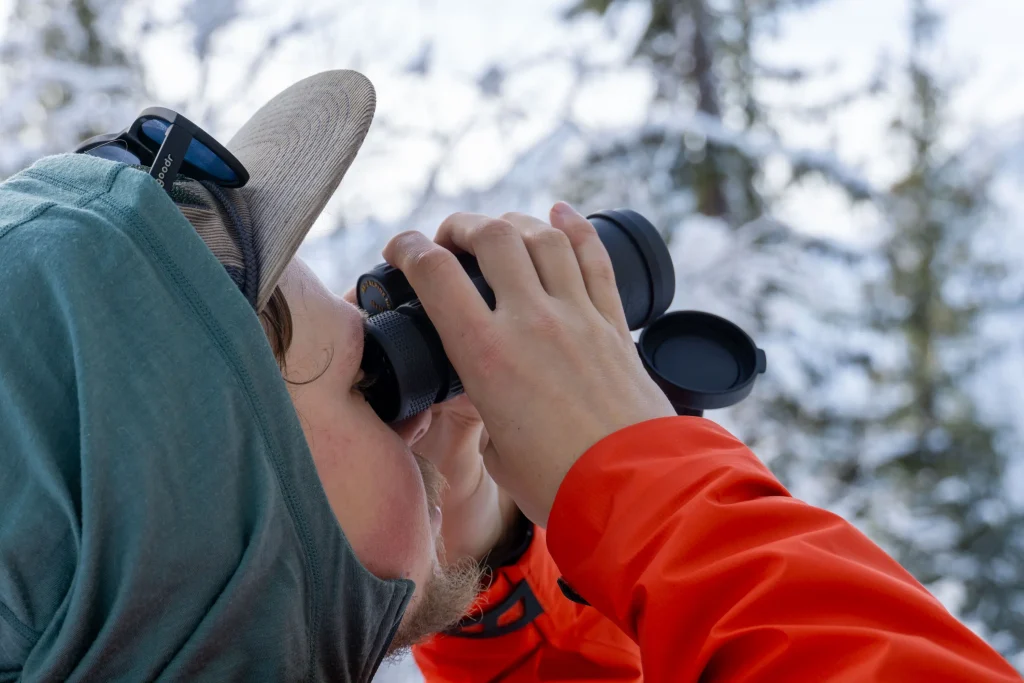
Are you ready to take your hiking adventures to the next level? Choosing the right hiking binoculars can make all the difference in how you experience the great outdoors.
But with so many options out there, it’s easy to feel overwhelmed. Don’t worry—you’re not alone. This guide will help you find binoculars that fit your needs perfectly, so you can see every detail clearly without any hassle. Keep reading, and soon you’ll know exactly what to look for to make your hikes more exciting and memorable.
Key Features To Consider
Focus on size, weight, and ease of use for comfortable hiking. Clear vision and good zoom help spot distant objects quickly. Durable, waterproof materials protect binoculars in tough outdoor conditions.
Magnification And Lens Size
Choose binoculars with magnificationbetween 7x and 10x. This is ideal for beginners. Look for a lens sizearound 42mm. Bigger lenses are heavier.
Field Of View
Wide field of viewhelps see more area. Helps track moving objects. Check the binocular specs for this feature.
Weight And Portability
Lightweight binoculars are easy to carry. They should fit in a backpack. Make sure they are portablefor long hikes.
Durability And Waterproofing
Choose durable and waterproofbinoculars. They last longer and withstand rain. Rubber armor provides good grip and protection.
Eye Relief And Comfort
Eye relief is important for glasses wearers. Look for binoculars with good eye relief. Comfortable binoculars make hiking enjoyable.
Credit: gearjunkie.com
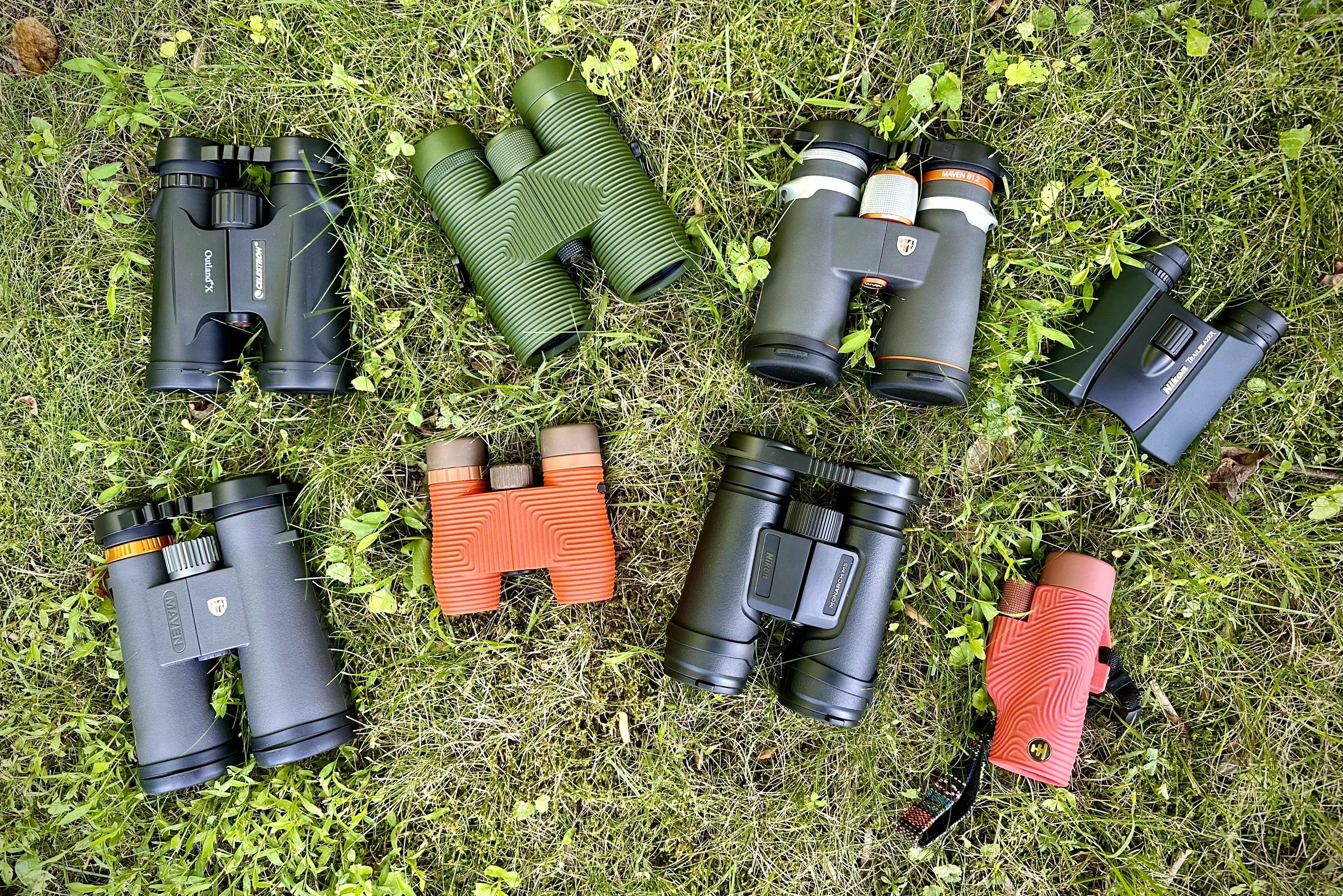
Types Of Binoculars Suitable For Hiking
Compact binocularsare small and lightweight. They fit easily in pockets or backpacks. Perfect for hikers who want to carry less weight. Though smaller, they still offer good image quality. Ideal for short hikes or quick spotting.
Roof prism binocularshave straight barrels. They are more durableand water-resistant. These binoculars are lighter than porro prism types. They give clear images and are easy to carry on trails.
Porro prism binocularsare bulkier but offer better depth perception. They have a wider field of view, good for wide landscapes. These are often less expensive but heavier. Good choice for those who want better claritywithout extra cost.
Budget And Price Range
Entry-level hiking binocularsoffer good value at a low cost. They are light and easy to use. These models suit beginners who want basic features without spending much.
Mid-range choicesprovide better image clarity and durability. They often have waterproof and fog-proof features. These binoculars are ideal for regular hikers who want more quality.
Premium modelsdeliver excellent optics and strong build. They are perfect for serious hikers or nature lovers. These binoculars usually come with extra features like wide field of view and image stabilization.
| Price Range | Features | Best For |
|---|---|---|
| Under $50 | Basic optics, lightweight | Beginners, casual use |
| $50 – $150 | Better clarity, waterproof | Regular hikers, moderate use |
| Above $150 | High-quality optics, durable | Serious hikers, professionals |
Credit: m.youtube.com
Additional Features To Look For
Lens coatingshelp reduce glare and improve light transmission. This makes images clearer and brighter. Look for binoculars with multi-coated lensesfor better viewing.
The focus mechanismshould be smooth and easy to adjust. A central focus wheel is common and simple to use. Some binoculars have individual eyepiece focus for sharper views.
- Accessorieslike lens caps protect the glass from dust and scratches.
- Carrying caseskeep binoculars safe during travel and hiking.
- Straps make it easier to carry binoculars around your neck or shoulder.
Tips For Testing Binoculars Before Buying
Test binoculars in a well-lit area to check clarityand brightness. Look at distant objects and see if the image is sharp and clear. Dim or blurry views mean poor quality lenses.
Hold binoculars up to your eyes to check comfortand fit. They should feel light and balanced. Eyecups should adjust easily, especially if you wear glasses. Try different grips to see if they feel good in your hands.
Try binoculars with various magnifications. Lower magnification offers a wider view and is easier to hold steady. Higher magnification shows more detail but can be shaky. Find a balance that suits your hiking needs.
:max_bytes(150000):strip_icc()/tal-athlon-optics-8x42-midas-uhd-binoculars-signe-bamsey-ben-wanamaker-09-1-8caa644274c046f78e4cc47a08bb9750.jpeg)
Credit: www.travelandleisure.com
Frequently Asked Questions
What Size Binoculars Are Best For Hiking Beginners?
Compact binoculars with 8x to 10x magnification are ideal for beginners. They offer a good balance of clarity and portability, making them easy to carry on hikes without adding much weight.
How Important Is Waterproofing In Hiking Binoculars?
Waterproofing is crucial for hiking binoculars. It protects your device from rain, fog, and accidental water exposure, ensuring durability and clear vision in various weather conditions.
Should Beginners Choose Binoculars With Image Stabilization?
Image stabilization is helpful but not essential for beginners. It reduces hand-shake effects, providing clearer views, especially at higher magnifications, but it can increase cost and weight.
What Is The Ideal Field Of View For Hiking Binoculars?
A wide field of view (around 330 feet at 1000 yards) helps beginners spot wildlife and navigate terrain easily. It enhances overall viewing experience during hikes.
Conclusion
Choosing the right hiking binoculars makes your outdoor trips better. Focus on size, weight, and lens quality. Comfort matters for long hikes. Don’t forget durability and weather resistance. Test different models to find what fits you best. Clear views help you enjoy nature fully.
Good binoculars bring the world closer. Take your time and choose wisely. Your adventure deserves the best view.