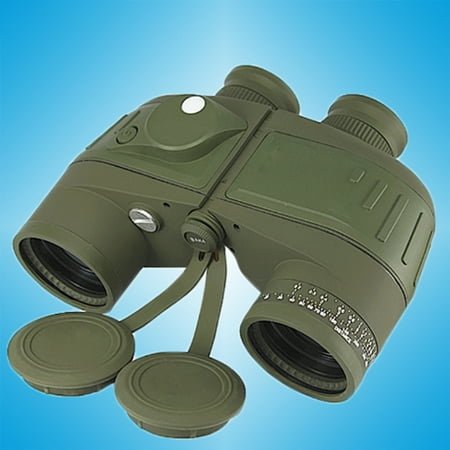
Are you ready to discover the tiny details that usually go unnoticed? Choosing the right close-focus binoculars can open up a whole new world right before your eyes.
But with so many options out there, how do you pick the perfect pair that fits your needs and budget? This guide will help you understand exactly what to look for, making your choice simple and exciting. Keep reading, and soon you’ll know how to zoom in closer than ever before!
Benefits Of Close-focus Binoculars
Close-focus binocularsare perfect for seeing details up close. You can see little bugs on leaves. They help you watch birds in nearby trees. These binoculars show clear pictures. They make things look bigger. Beginnerswill find them easy to use. They are not heavy. These binoculars fit in small bags.
Enhanced Detail For Nearby Objects
These binoculars show amazing detailsof nearby things. You can spot tiny flowers and bugs. They help you see patterns on butterfly wings. They make everything sharp and bright. You won’t miss anything. Close-focusis great for learning about nature.
Ideal Uses For Close-focus Features
- Watching birds in your backyard.
- Studying insects on plants.
- Observing details on art pieces.
- Exploring small animals.
Key Features To Consider
Magnificationshows how close objects appear. Choose a number between 8x and 10xfor clear views without too much shake. The objective lens sizeaffects brightness. Bigger lenses, like 30-42 mm, give brighter images but weigh more.
Field of viewmeans how wide you can see. A wide field helps find objects fast. Eye reliefis the safe distance your eyes keep from lenses. Long eye relief is good for glasses wearers.
Weightmatters for comfort. Lightweight binoculars, around 1 to 2 pounds, are easier to carry. Small models fit in pockets and bags for easy travel.
Durabilitykeeps binoculars safe from drops. Look for rubber coatingthat stops slips. Weather resistancemeans binoculars work in rain or fog. Waterproof and fog-proof types last longer outdoors.
How Close Should The Focus Be?
Close-focus distanceis how near you can see objects clearly. It matters for birdwatching, nature, or sports. The shorter the distance, the better for viewing small, nearby details.
| Binocular Type | Typical Close-Focus Distance | Best For |
|---|---|---|
| Standard Binoculars | 10-20 feet (3-6 meters) | General use, distant objects |
| Close-Focus Binoculars | 3-6 feet (1-2 meters) | Birdwatching, insects, flowers |
| Specialized Macro Binoculars | Less than 3 feet (less than 1 meter) | Extreme close-up details |
- Choose close-focus based on what you want to see.
- For nature close-ups, pick binoculars with 3-6 feet focus.
- Longer close-focus is fine for sports or distant views.
- Try binoculars in store to test their focus distance.
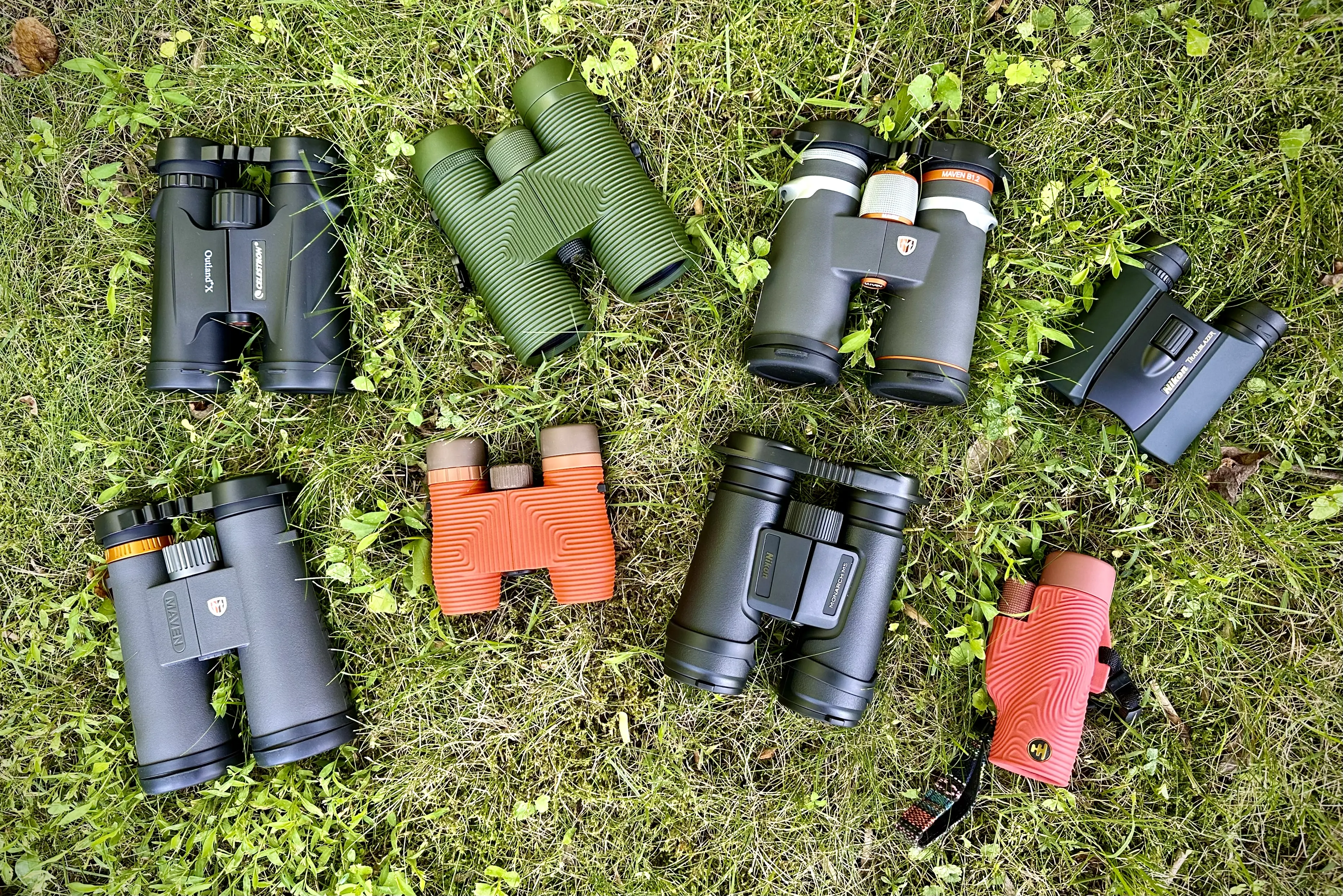
Credit: gearjunkie.com
Types Of Close-focus Binoculars
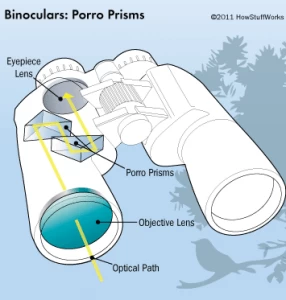
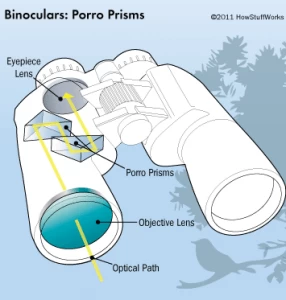
Porro prism binocularshave a zigzag shape and offer a wider view. They are often larger and heavierbut provide better depth perception. Roof prism binocularsare straight and compact. They are lighter and easier to carry. Both types can focus closely, but Porro prisms often give a brighter image.
Some binoculars are made for bird watching, with sharp colors and wide views. Others suit hikingor sports, focusing quickly on moving objects. There are also models for astronomythat gather more light for night use.
| Type | Shape | Weight | View | Best Use |
|---|---|---|---|---|
| Porro Prism | Zigzag | Heavier | Wider, brighter | Bird watching, general use |
| Roof Prism | Straight | Lighter | Narrower, compact | Hiking, sports, travel |
Budgeting For Beginners
Choosing binoculars means finding a balance between costand quality. Cheap models may lack clear images or durability. Expensive ones offer better lenses and build but might be too costly for beginners.
Think about how often you will use your binoculars. This helps set a reasonable budget. For casual use, mid-range binoculars give good value. They provide decent focus and sharp views without breaking the bank.
| Price Range | What to Expect | Good For |
|---|---|---|
| $30 – $70 | Basic focus, plastic build, limited clarity | Kids, beginners, occasional use |
| $70 – $150 | Better optics, metal parts, sharper images | Regular users, hobbyists |
| $150+ | High-quality lenses, durable, precise close focus | Serious bird watchers, nature lovers |

Credit: zarimex.eu
Testing And Trying Out Binoculars
Try holding the binoculars for a few minutes. Check if they feel lightand easy to hold. The grip should be comfortable, not slippery or rough. Look through the lenses and see if the view is clearand sharpwithout much effort.
Adjust the focus wheel smoothly. It should not be too tight or too loose. Check if the eyecups move easily to fit your eyes. Make sure you can see the full field of view without dark edges.
- Weight and balance matter for long use
- Focus wheel should move smoothly
- Eyecups must be easy to adjust
- Clear and sharp image is key
- Check if binoculars fit your face well
Maintenance And Care Tips
Use a soft brush or air blower to remove dust and dirt. Avoid wiping lenses with rough cloths that can scratch. Use a lens cleaning solution with a microfiber cloth for smudges. Clean gently in a circular motion.
Store binoculars in a dry place to prevent mold and damage. Keep them in a padded case to protect from bumps. Avoid leaving binoculars in direct sunlight or extreme heat. Handle with clean hands to avoid oil stains.
| Cleaning Tips | Storage Tips |
|---|---|
| Use soft brush or air blower | Keep in a padded case |
| Clean lenses with microfiber cloth | Store in a dry place |
| Avoid rough or dirty cloths | Avoid direct sunlight and heat |
| Use lens cleaner for smudges | Handle with clean hands |

Credit: newhopegr.org
Frequently Asked Questions
What Is Close-focus In Binoculars?
Close-focus refers to the shortest distance where binoculars can clearly focus. It is crucial for observing nearby objects, such as flowers or insects. Beginners should choose binoculars with a close-focus distance of 6 feet or less for better detail and versatility.
Why Is Close-focus Important For Beginners?
Close-focus allows beginners to explore nearby subjects easily. It enhances the viewing experience by offering sharp images at short distances. This feature is essential for nature watching, sports, and detailed observations, making it a valuable factor when selecting binoculars.
How To Check Close-focus Distance In Binoculars?
Manufacturers usually list the close-focus distance in the product specs. Look for terms like “minimum focus distance” or “close-focus range. ” Choosing binoculars with a shorter close-focus distance ensures better performance for observing nearby objects.
Can Close-focus Binoculars Be Used For Distant Views?
Yes, close-focus binoculars also work well for distant objects. They provide versatility by allowing clear focus at both short and long distances. Beginners benefit from this dual functionality, making close-focus binoculars a practical all-around choice.
Conclusion
Choosing close-focus binoculars for beginners requires clear priorities. Focus on comfort and ease of use first. Check the minimum focus distance carefully. Brightness and image clarity matter a lot. Don’t ignore size and weight for long use. Try different models before deciding.
Remember, the right binoculars make viewing more enjoyable. Keep these tips in mind, and you will find a pair that fits your needs perfectly. Happy viewing!