If you love exploring the great outdoors, you know how important it is to have the right gear. Wide-angle binoculars can open up a whole new world of detail on your hikes, helping you spot wildlife and take in breathtaking views.
But carrying them comfortably on long treks can be tricky. You don’t want bulky gear slowing you down or causing discomfort. You’ll discover simple, effective ways to carry your wide-angle binoculars so they’re always within reach—without weighing you down. Keep reading, and make your next hike both easier and more exciting.
Choosing The Right Binoculars
Wide-angle binoculars need careful carrying on long hikes to stay comfortable. Use padded straps or a chest harness to keep them secure and easy to reach. Balance weight evenly to avoid strain during your walk.
Benefits Of Wide-angle Models
Wide-angle binoculars offer a broad view of landscapes. They help hikers see more of the trail. These models can be great for spotting distant animals. Their design lets users enjoy the scenery easily. Wide lenses capture more light for a brighter image. This makes them useful in dim lighting. They enhance the outdoor experience.
Weight And Size Considerations
Lightweight binoculars are easy to carry on hikes. Heavy models can tire your arms quickly. Compact designs fit well in backpacks. Small size is convenient for long treks. Choose binoculars that balance size and weight. This helps in avoiding neck strain. Portability is key for comfort.
Durability And Weather Resistance
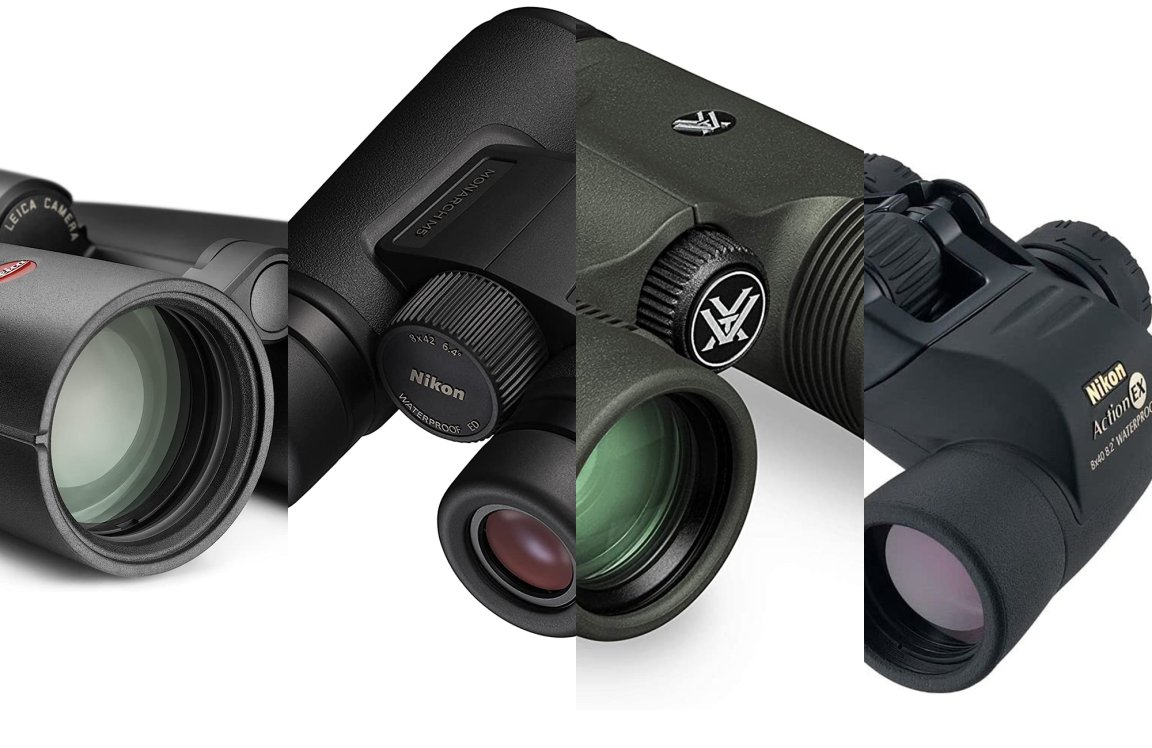
Durable binoculars withstand rough conditions. They should survive drops and bumps. Weather-resistant models protect against rain. Moisture can damage lenses if not guarded. Look for binoculars with sturdy materials. Strong casing protects them from harsh environments. Reliable gear enhances hiking adventures.
Credit: www.popsci.com
Selecting A Comfortable Carrying Method
Choosing the right way to carry wide-angle binocularsis key for comfort and easy access. Neck strapslet you keep binoculars ready to use. They are light but may cause neck strain on long hikes.
Harnessesspread weight across shoulders and back. This reduces neck pain and keeps binoculars steady during walking. Harnesses also stop binoculars from bouncing around.
- Chest packshold binoculars close to the body. This keeps them secure and easy to reach.
- Waist packsoffer quick access but may swing while moving.
Backpack integrationmeans storing binoculars inside or on the pack. It protects them from weather and bumps. Some backpacks have special pockets or straps for binoculars.
| Carrying Method | Pros | Cons |
|---|---|---|
| Neck Straps | Easy access, lightweight | Can strain neck, binoculars bounce |
| Harnesses | Even weight, stable hold | More gear, takes time to adjust |
| Chest/Waist Packs | Secure, close to body | Waist packs may swing |
| Backpack Integration | Protects binoculars, frees hands | Slower access |
Packing Techniques For Stability
Securing wide-angle binoculars during hikes keeps them safe and easy to reach. Use straps or clips to attach binoculars firmly to your backpack or belt. This stops them from swinging or bumping while you walk. A snug fit helps avoid damage and noise.
Protective cases shield binoculars from dust, scratches, and rain. Choose a lightweight, padded case with a zipper or flap closure. This adds a layer of safety without extra bulk. Cases with belt loops or carabiners are handy for quick access.
| Technique | Benefit |
|---|---|
| Strap Attachment | Keeps binoculars stable and hands-free |
| Protective Case | Guards against weather and scratches |
| Balanced Weight | Prevents strain and improves comfort |
Balancing weight helps prevent shoulder or back pain. Place binoculars where their weight spreads evenly. Avoid heavy loads on one side. This keeps your hike easier and more enjoyable.
Maintaining Accessibility On The Trail
Quick-release systems let you grab your binoculars fast. Clips or magnets work well. Attach them to your backpack or belt. This keeps binoculars ready without using hands.
Place binoculars where you can reach them easily. Near your chest or side is best. Avoid spots where they swing or get caught on branches.
Keep binoculars out of your walking path. Don’t let straps block your arms or legs. This stops tripping or dropping them on rough trails.
Protecting Binoculars From Environmental Factors
Keep binoculars dry by using a waterproof caseor cover. Rain and moisture can damage lenses and mechanics. Use silica gel packs inside the case to absorb moisture.
Protect binoculars from dust by storing them in a dustproof bag. Wipe lenses gently with a soft cloth to remove debris. Avoid touching lenses with fingers to prevent smudges.
| Temperature Issue | How to Manage |
|---|---|
| Fogging inside lenses | Use anti-fog wipes or sprays. Keep binoculars in a sealed bag when not in use. |
| Extreme cold | Store binoculars close to your body to keep warm. Avoid sudden temperature changes. |
| Heat exposure | Keep binoculars shaded. Avoid leaving them in direct sunlight for long times. |
Adjusting Carry Methods For Different Terrains
Steep and rocky pathsneed careful carrying. Use a secure harnessor chest strap to keep binoculars close. Avoid swinging to prevent hitting rocks. Padding around the straps helps reduce discomfort. Keep binoculars covered to stop scratches from stones and rough surfaces.
Dense forests and bushesrequire protection from branches. Carry binoculars in a soft casewith a shoulder strap. This keeps them safe and easy to reach. Use a case with a flap or zipper to keep dirt and leaves out. Keep the strap short to avoid catching on branches.
Open and windy areascan cause binoculars to swing. Use a neck strapwith a quick-release clip for safety. Adjust the strap length to keep binoculars close to your body. This helps control movement in strong winds. A lightweight case also works well here.
Additional Gear To Enhance Carrying Experience
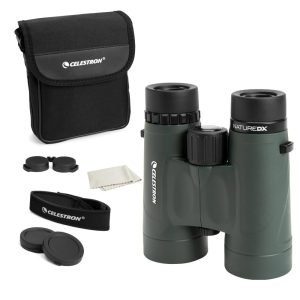
Keeping your binocular lenses clean is key to clear views. A small lens cleaning kithelps remove dust and smudges quickly. Soft cloths and cleaning solution protect lenses from scratches.
Comfort padding on straps or harnesses reduces shoulder strain. It makes carrying binoculars for long hikes much easier and less tiring.
- Multi-tool attachments add convenience by combining tools in one.
- They often include small screwdrivers and pliers for quick fixes.
- Some attach directly to your binocular case or belt.
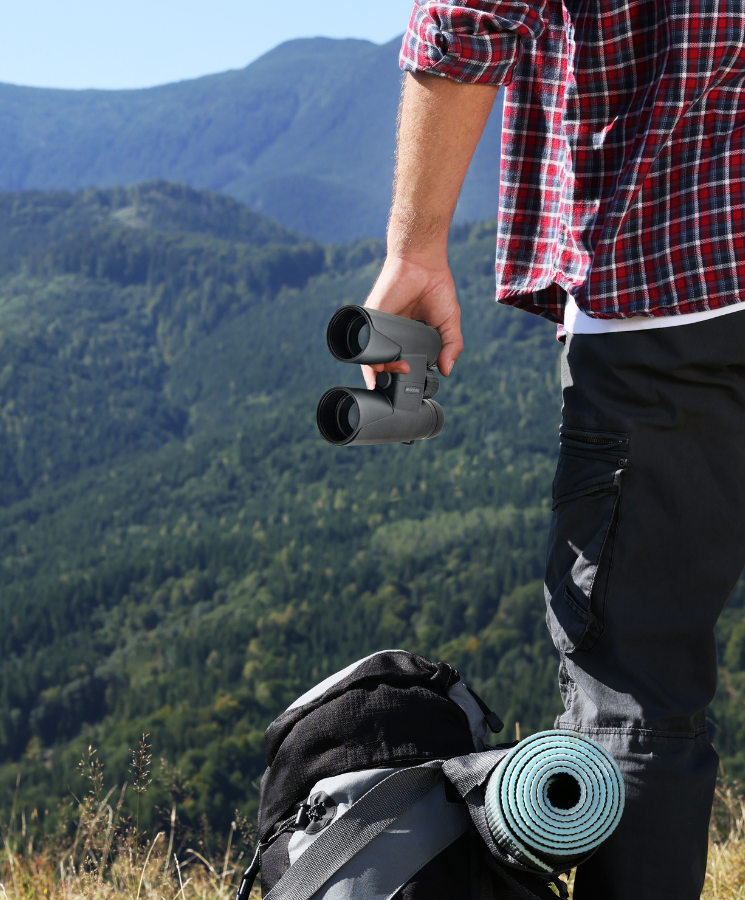
Credit: www.kodak.gtcie.com

Credit: fieldethos.com
Frequently Asked Questions
How Do I Choose A Carrying Case For Wide-angle Binoculars?
Pick a lightweight, durable carrying case with padding. Ensure it has adjustable straps for comfort during long hikes. A water-resistant material protects binoculars from weather. Look for easy access compartments to quickly grab your binoculars.
What Is The Best Way To Secure Binoculars On A Backpack?
Use a binocular harness or attach them to backpack loops with carabiners. This keeps binoculars stable and prevents swinging. Ensure they are within easy reach but secure enough to avoid damage during movement.
Can I Carry Wide-angle Binoculars Around My Neck Safely?
Yes, but use a padded, adjustable neck strap to reduce strain. A harness system is safer for long hikes, distributing weight evenly and preventing neck pain.
Should I Protect Binocular Lenses While Hiking?
Always use lens caps or covers to protect against scratches and dust. Clean lenses with a microfiber cloth before and after use. Proper lens care ensures clear viewing and prolongs binocular life.
Conclusion
Carrying wide-angle binoculars on long hikes can feel tricky. Choose a comfortable, secure spot on your pack. Use padded straps or a harness to reduce strain. Keep the binoculars easy to reach for quick views. Protect them from weather and bumps during the walk.
Small steps make a big difference in comfort. Enjoy the hike and the clear, wide views your binoculars provide. Simple care and smart carrying help you focus on nature’s beauty.