You’ve invested in night vision binoculars to see clearly in the dark. But do you know the best way to carry them safely?
Handling these delicate devices the right way protects your gear and ensures it works perfectly every time you need it. You’ll discover simple, effective tips to carry your night vision binoculars without risking damage. Keep reading to learn how to keep your equipment safe and ready for action whenever darkness falls.
Choosing The Right Binoculars
Night vision binoculars come in different typesto fit various needs. The most common are Generation 1, 2, and 3. Generation 1 is the most affordable but less clear. Generation 2 offers better image quality and longer life. Generation 3 provides the best clarity and range but costs more.
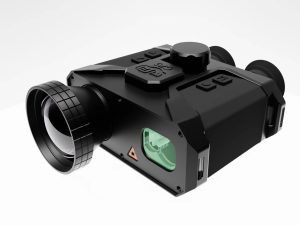
Other types include digital night vision binoculars. These use a camera sensor and display images on a screen. They often have features like video recording and zoom.
| Type | Description | Best Use |
|---|---|---|
| Generation 1 | Basic image quality, affordable | Casual use, beginners |
| Generation 2 | Improved clarity and durability | Regular use, hunting |
| Generation 3 | High clarity, long range | Professional, military |
| Digital | Camera sensor, video recording | Recording and zooming |
Key features to considerinclude weight, battery life, and durability. Lightweight binoculars are easier to carry for long times. Long battery life means less worry about power. A sturdy build helps protect against drops or weather.
Look for adjustable focusand easy controls. Good optics provide a clear image. Waterproof or fog-proof designs are helpful for outdoor use.
Preparing For Safe Transport
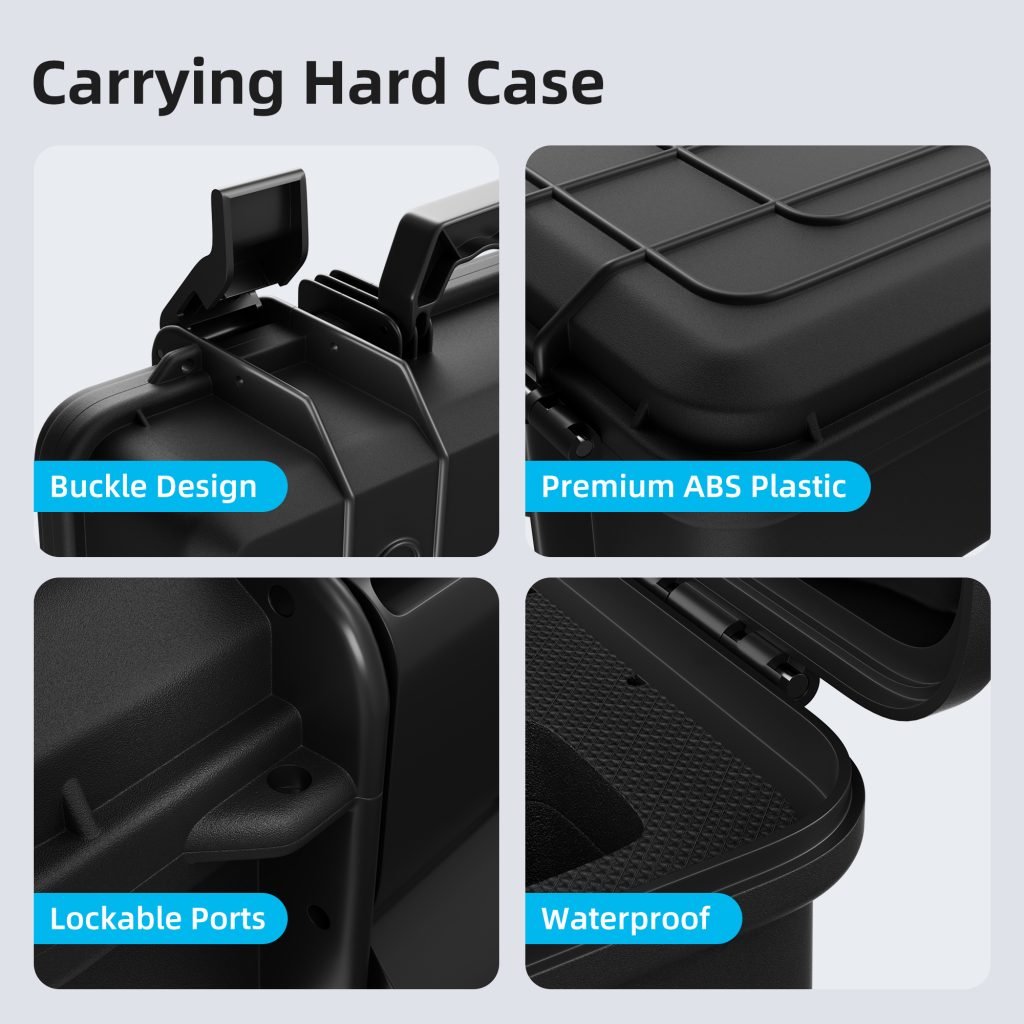
Night vision binoculars need safe storageto avoid damage. Use a hard caseor padded bag designed for optics. Keep them in a dry place to prevent moisture buildup. Soft cloth covers can protect lenses from scratches during transport.
Battery levelsare important before every use. Check batteries and replace them if low. Carry extra batteriesin a separate container to avoid leaks. Remove batteries if binoculars will be stored for a long time. This prevents corrosionand damage to the device.
Packing Techniques
Use a hard protective caseto keep night vision binoculars safe. These cases stop bumps, drops, and dust. The case should fit the binoculars snugly. Soft cases may not protect well against shocks.
Keep the binoculars dry by using water-resistant cases. Moisture can harm the lenses and electronics. A good case also has a handle or strap for easy carrying.
- Do not pack binoculars loosely with other items.
- Avoid placing heavy objects on top of the case.
- Keep the lenses covered with caps to prevent scratches.
- Check for dirt or sand before packing to avoid damage.
Carrying Methods
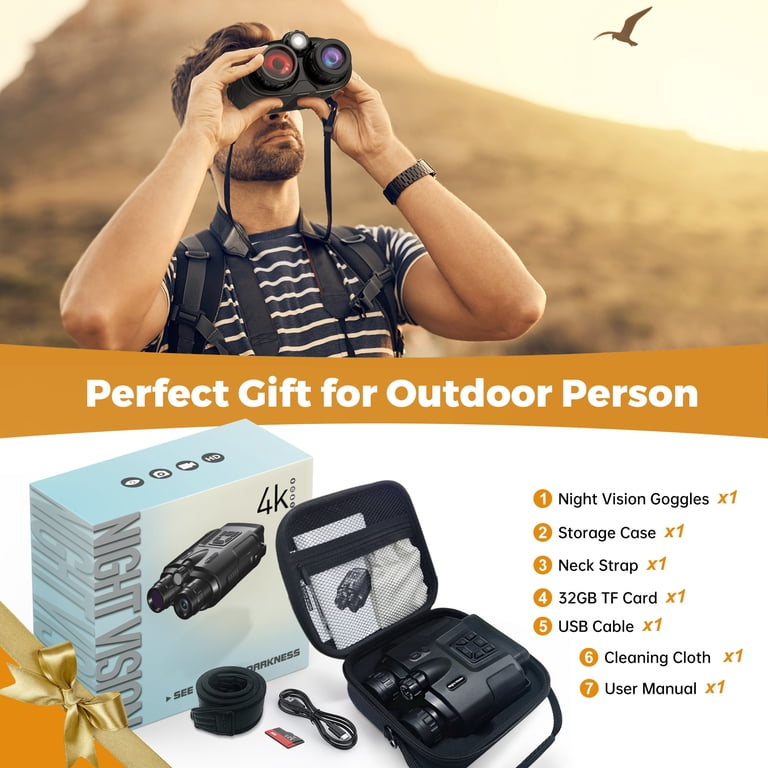
Using straps and harnesses keeps night vision binoculars secure and easy to reach. A sturdy strap helps carry the binoculars around your neck or shoulder. Look for adjustable straps that fit comfortably. Harnesses spread the weight evenly on your body. This lowers strain during long use. Both options reduce the risk of dropping the binoculars. They also free your hands for other tasks.
Hands-free options are great for active use. Chest mounts or belt clips let you carry binoculars without holding them. These options keep your binoculars steady and ready to use fast. Ideal for hikers, hunters, or security workers. Hands-free carrying also protects the binoculars from bumps and scratches.
Maintaining Binoculars On The Go
Keep binocular lenses clean for clear night vision. Use a soft cloth or lens brush to remove dust and dirt gently. Avoid touching lenses with fingers to prevent smudges.
Protect binoculars from rain and moisture. Store them in a waterproof case during wet weather. Dry binoculars immediately if they get wet to stop damage.
- Use a soft microfiber cloth for cleaning lenses.
- Store binoculars in a padded, waterproof case.
- Wipe off dirt and moisture after use.
- Avoid exposing binoculars to extreme temperatures.

Credit: manuals.plus
Safety Precautions
Night vision binoculars are delicate and need careful handling. Use a sturdy strap to keep them secure and prevent accidental drops. When carrying, hold them close to your body for better control. Avoid bumping into objects or people, especially in tight spaces.
In crowded areas, stay alert. Keep binoculars wrapped in a protective case when not in use. This helps protect against impacts and scratches. Moving slowly and carefully will reduce the chance of damage. Always check your surroundings before reaching for the binoculars.
Troubleshooting Common Issues
Fogging on night vision binocular lenses can block your view. To stop fogging:
- Keep lenses clean and dry.
- Store binoculars in a dry place with silica gel packs.
- Use anti-fog sprays or wipes made for optics.
- Avoid sudden temperature changes that cause moisture.
Battery replacement is key to keep binoculars working well. Follow these tips:
- Use the right type of batteries as per the manual.
- Remove batteries if you won’t use the binoculars for a long time.
- Check battery contacts for dirt or corrosion before inserting.
- Replace all batteries at the same time for best performance.

Credit: www.usnighthawk.com
Credit: www.walmart.com
Frequently Asked Questions
How Do I Protect Night Vision Binoculars From Damage?
Always use a padded carrying case to protect your binoculars. Avoid dropping or exposing them to extreme temperatures. Store them in a dry place to prevent moisture damage and keep lens covers on when not in use.
What Is The Best Way To Carry Night Vision Binoculars?
Use a secure neck strap or harness to carry binoculars hands-free. Ensure the strap is adjustable and comfortable. Avoid swinging the binoculars to prevent accidental bumps or drops while moving.
Can I Carry Night Vision Binoculars On A Plane?
Yes, you can carry night vision binoculars in your carry-on bag. Check airline regulations for battery restrictions. Always pack them securely to avoid damage during travel.
How Should I Clean Night Vision Binoculars Safely?
Use a soft, lint-free cloth to clean lenses. Avoid harsh chemicals or abrasive materials. Use lens cleaning solution specifically designed for optics if needed.
Conclusion
Carrying night vision binoculars safely keeps them working well for years. Use a sturdy case to protect from bumps and drops. Always hold them with both hands to avoid accidents. Avoid exposing them to water or strong sunlight. Store them in a cool, dry place when not in use.
Regular care helps keep the lenses clear and sharp. Simple steps make a big difference in protecting your gear. Stay careful, and enjoy clear night views every time.