If you love watching wildlife up close, you know how important it is to have your binoculars ready at the right moment. But carrying them the wrong way can slow you down, make you uncomfortable, or even risk damaging your gear.
How you carry your binoculars can change your whole experience in the wild. You’ll discover simple, practical tips to keep your binoculars secure, accessible, and comfortable—so you never miss a single sighting. Keep reading to find out how to carry your binoculars like a pro and enjoy every moment of your wildlife observation.

Credit: www.youtube.com
Choosing The Right Binoculars
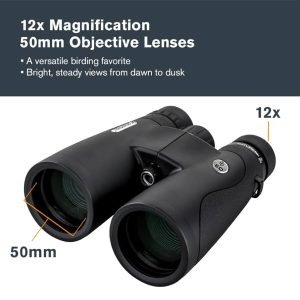
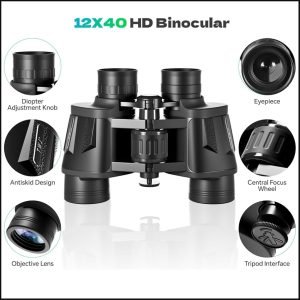
Magnification and lens sizeaffect how close and clear you see wildlife. Higher magnification shows more detail but can be shaky. Larger lenses let in more light, helping in dim places. A good balance is key for clear views.
Weight and portabilitymatter a lot. Heavy binoculars tire your hands fast. Compact and lightweight models are easier to carry on long walks or hikes. Look for binoculars that fit comfortably around your neck or in your bag.
Durability and weather resistancekeep binoculars working outdoors. Waterproof and fog-proof models handle rain and cold well. Rubber coating helps protect from bumps and drops. Choose binoculars made for rough outdoor use.
Binocular Carrying Techniques
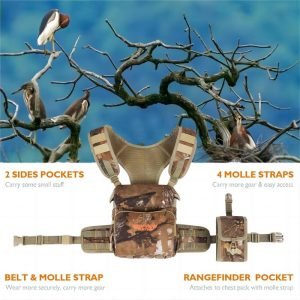
Neck strapskeep binoculars ready and easy to reach. They hang binoculars around your neck, making quick use simple. Lightweight straps cause less neck strain during long walks. Harnessesspread the binoculars’ weight across shoulders. This reduces neck and back pain. Harnesses hold binoculars steady, avoiding swinging that can annoy or distract.
Chest packsoffer extra storage for small gear like maps or snacks. They keep binoculars close to your body. This protects binoculars from bumps and weather. Holstersattach to belts or vests. They provide quick access and good protection. Holsters keep binoculars safe when walking through thick brush.
Backpacksare good for carrying binoculars plus other equipment. Some have special padded compartments for binoculars. This stops damage from impacts. Sling bagslet you switch the bag from one shoulder to another. They offer easy access without taking off the bag.
Ensuring Comfort During Observation
Adjust the strap length so the binoculars hang comfortably around your neck. This keeps them close and ready to use without swinging too much. Too tight? It can cause discomfort. Too loose? The binoculars might bounce and distract you.
Balance the weight evenly across your shoulders. Use wide straps to spread the load and avoid pressure points. This helps you carry binoculars for longer without feeling tired.
- Use padded straps to reduce pressure on your neck.
- Switch shoulders occasionally to ease muscle strain.
- Take breaks to relax your neck and shoulders.
Proper carrying reduces neck strain and lets you enjoy wildlife watching longer. Comfort matters as much as clear vision.
:max_bytes(150000):strip_icc()/tal-celestron-trailseeker-8x42-ed-binoculars-sarah-barber-17-ae085b52cbd24f9e9760aa1fb72d0b4c.jpeg)
Credit: www.travelandleisure.com
Protecting Your Binoculars
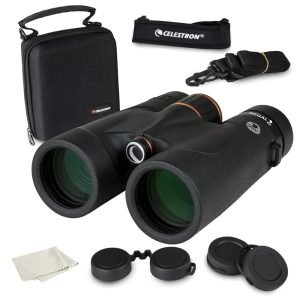
Lens caps protect the binocular lenses from dust, scratches, and dirt. Always cover the lenses when not in use. Soft covers or padded cases shield binoculars from bumps and shocks during travel. Choose covers that fit snugly to avoid slipping off.
Clean lenses gently with a soft cloth to avoid scratches. Use a special lens cleaner or water instead of harsh chemicals. Clean the body with a dry cloth to remove dust. Avoid touching lenses with fingers to keep oils away.
| Storage Option | Benefit |
|---|---|
| Hard Case | Protects binoculars from impacts and weather |
| Soft Pouch | Lightweight and easy to carry |
| Neck Strap | Keeps binoculars handy and prevents drops |
Enhancing Wildlife Observation
Carrying binoculars properly keeps them safe and ready for quick use. Use a neck strap or a harness to reduce strain and avoid dropping them. Keeping binoculars close helps spot wildlife faster and enjoy the moment fully.
Finding The Right Vantage Point
Choose a spot with a clear view of animals. Stay quiet and still to avoid scaring them. Use natural cover like trees or bushes. Early mornings or late afternoons offer the best light. Move slowly to keep animals calm. Pick a place with good lighting and few obstacles.
Using Binoculars With Other Gear
Keep binoculars close for quick use. Carry a small bag to hold extra lenses or cleaning cloths. Use a neck strap to keep binoculars ready. Pair binoculars with a camera or notebook to record sightings. Wear comfortable clothes and sturdy shoes for walking.
Tips For Steady Viewing
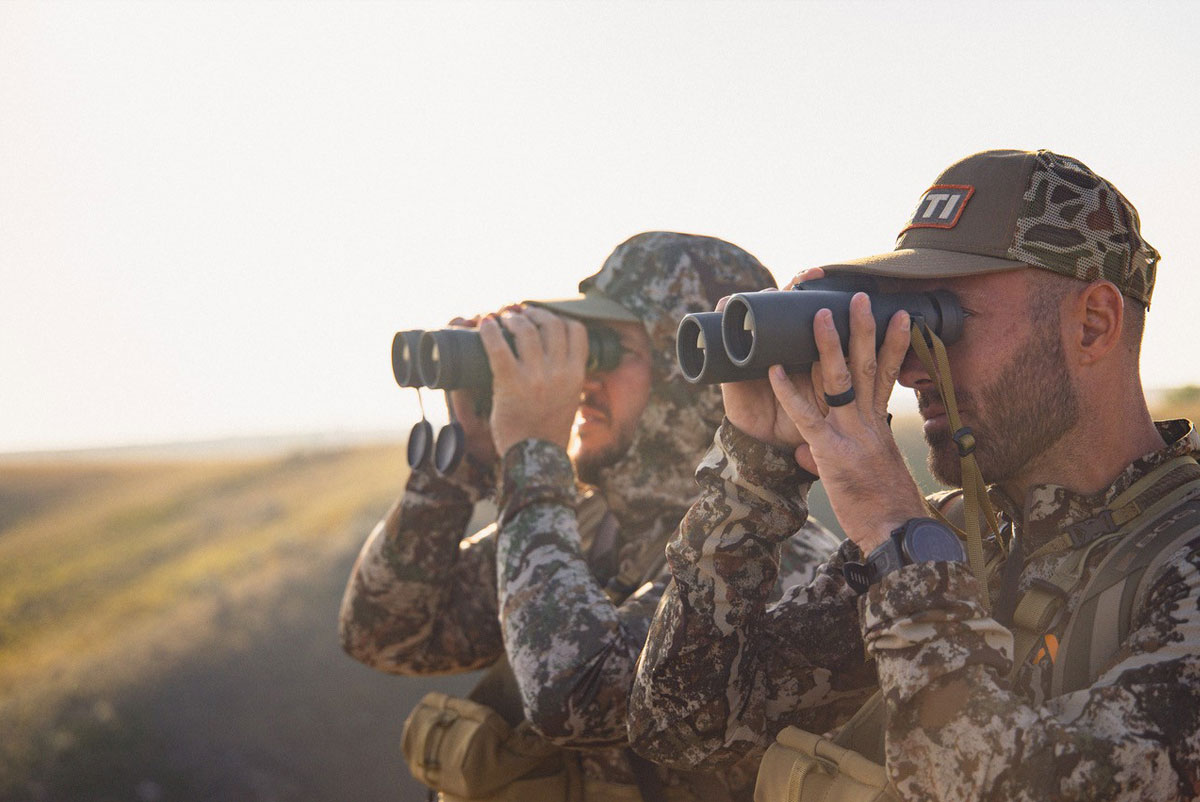
- Hold binoculars with both hands to reduce shaking.
- Rest elbows on a stable surface like a rock or tree.
- Lean against a tree or wall for extra support.
- Take deep breaths and relax your body.
- Use a tripod if you have one for the best steadiness.
Credit: magviewgear.com
Frequently Asked Questions
How Should I Hold Binoculars For Wildlife Viewing?
Hold binoculars with both hands for stability. Keep elbows close to your body to reduce shaking. Use a neck strap to avoid dropping and ease carrying during long observation.
What Is The Best Way To Carry Binoculars Outdoors?
Use a comfortable neck or shoulder strap for easy access. Consider a padded harness to distribute weight evenly. Always keep binoculars covered to protect lenses from dust and moisture.
Can I Carry Binoculars In A Backpack Safely?
Yes, place binoculars in a padded case inside your backpack. This prevents damage from bumps and scratches. Ensure the case is easily accessible for quick use during wildlife spotting.
How Do I Keep Binoculars Steady While Observing Animals?
Rest your elbows on a stable surface or use a tripod mount. Breathe slowly and hold binoculars firmly but relaxed. This reduces hand tremors and provides a clear view.
Conclusion
Carrying binoculars the right way makes wildlife watching more fun. Choose a comfortable strap or harness to keep them secure. Keep your binoculars close to avoid damage or loss. Adjust the strap so binoculars hang at your chest for quick use.
Protect lenses with covers to keep them clean and safe. Practice carrying them before your trip to find what feels best. Enjoy nature without distractions by carrying your binoculars smartly. This simple care helps you focus on animals, not gear.