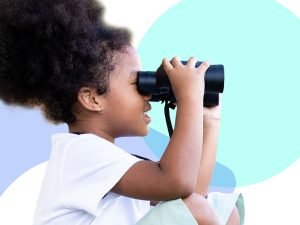
Have you ever looked up at the night sky and wished you could see the stars up close? Kids binoculars can make that wish come true in a fun and simple way.
Imagine your child’s eyes lighting up as they spot the moon’s craters or a distant constellation. Using kids binoculars for star gazing is easier than you think, and it can turn a regular evening into an unforgettable adventure. You’ll discover how to get started, what to look for, and tips to make star gazing exciting for your little ones.
Ready to explore the universe together? Keep reading and unlock the magic of the night sky through your kids binoculars.
Choosing The Right Kids Binoculars
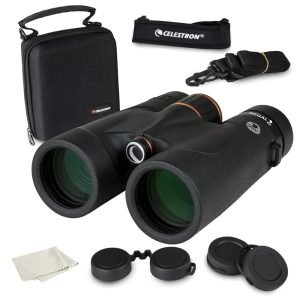
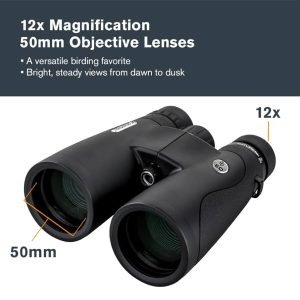
Choosing the right kids binocularsfor star gazing means thinking about a few key points. Look for binoculars that are lightweightand easy to hold. The size should fit small hands for comfort and better control. A good magnification power is around 7x to 10x. Too high magnification can make the image shaky and hard to see. Also, check for wide lensesto let in more light. This helps see stars better in the dark sky.
Durability matters a lot. Kids need binoculars that can handle drops and rough use. Waterproof or water-resistant models work best outside. Soft rubber grips add extra comfort and safety.
| Brand | Magnification | Features | Price Range |
|---|---|---|---|
| National Geographic | 8x | Lightweight, waterproof, rubber grip | Medium |
| Celestron | 10x | Wide lenses, durable, easy focus | Medium |
| Bushnell | 7x | Compact, water-resistant, good optics | Low to Medium |
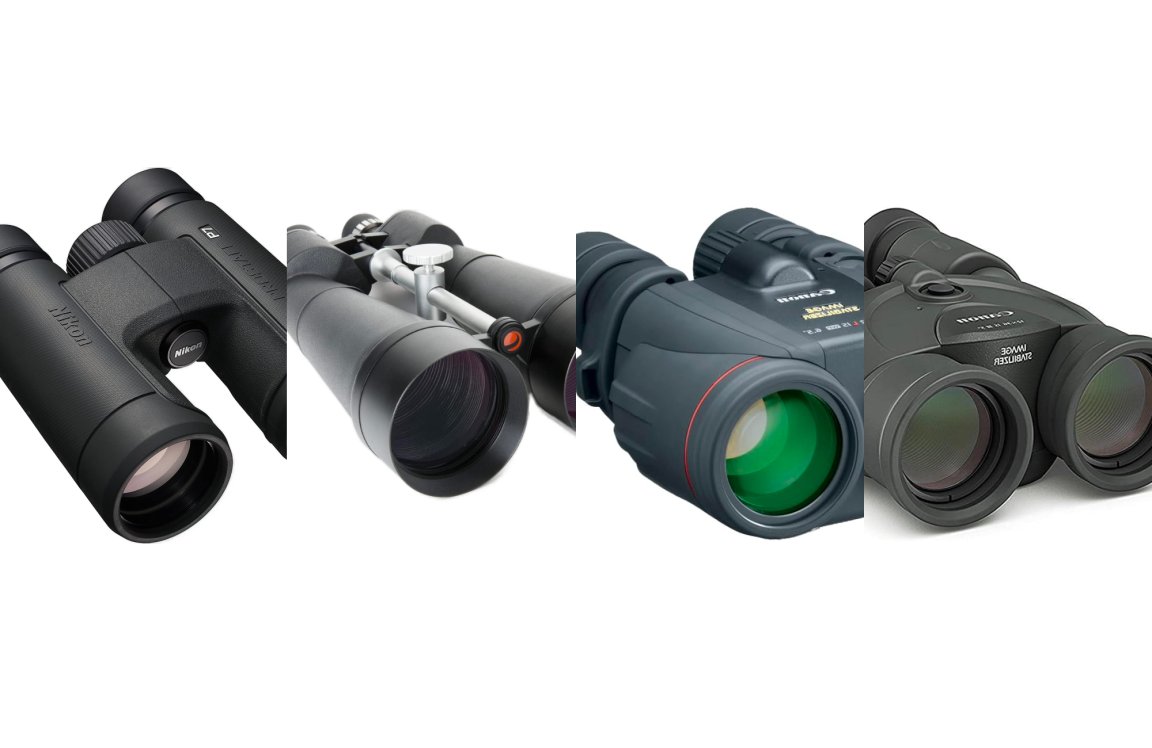
Credit: www.popsci.com
Preparing For A Star Gazing Session
Choose a place with little light pollutionfor the best views. Open fields or parks far from city lights work well. Avoid areas near street lamps or bright buildings.
Clear skies are important. Check the weather forecast and pick a night without clouds. Nights after a new moon are darker and better for seeing stars.
| Ideal Locations | Best Time for Viewing |
|---|---|
| Open fields or parks | Clear, cloudless nights |
| Far from city lights | Nights after a new moon |
| Quiet, safe areas | Late evening to midnight |
Setting Up The Binoculars
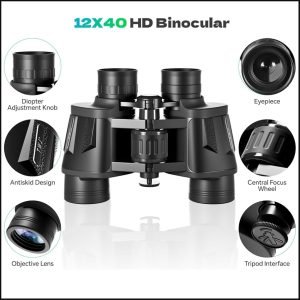
Start by holding the binoculars steady with both hands. Look through the eyepieces at a distant object. Slowly turn the focus wheel until the image becomes clear and sharp. Each eye might need a little different adjustment.
Magnification shows how much closer things appear. Kids binoculars usually have low magnification, like 4x or 5x. This helps keep the image steady and bright. High magnification can make objects blurry or shaky.
| Term | What It Means | Why It Matters |
|---|---|---|
| Focus | Adjusting the sharpness of the image | Clear view of stars and planets |
| Magnification | How many times closer objects appear | Balance between clarity and stability |
Identifying Celestial Objects
Kids binoculars help to spot bright starsand planetsclearly. Popular constellations like Orion, Ursa Major, and Cassiopeiaare easy to find. These shapes connect stars in the night sky.
Planets such as Jupiterand Saturnlook like bright points of light. Unlike stars, they do not twinkle. Kids can learn to tell the difference.
| Constellation | Shape | Key Stars |
|---|---|---|
| Orion | Hourglass | Betelgeuse, Rigel |
| Ursa Major | Big Dipper | Dubhe, Merak |
| Cassiopeia | W shape | Shedar, Caph |
Enhancing The Experience
Using star mapshelps children find constellations easily. These maps show the night sky with simple pictures and names. Kids can match the shapes seen through binoculars to the maps. This makes star gazing more fun and educational.
Apps and technology can enhance the experience too. Some apps point out stars and planets in real-time. Kids can hold a phone or tablet and see what they are looking at. This helps them learn and stay interested longer.
- Star maps guide kids to spot famous constellations.
- Apps identify stars and planets instantly.
- Technology makes star gazing interactive and engaging.
Safety Tips For Kids
Using kids binocularsfor star gazing can be fun and safe with simple steps. Always remind children to never look directly at the sun or bright lights through binoculars. This protects their eyes from damage.
Choose binoculars that are made with child-safe materialsand have a comfortable size for small hands. Teach kids to hold them steady and avoid sudden movements.
- Stay in a safe, open area without obstacles or rough ground.
- Wear warm clothes to avoid cold during night star gazing.
- Use a flashlight with a red filter to keep night vision intact.
- Keep a responsible adult nearby for supervision.
Stay close to home or a safe place. Avoid dark, isolated areas. This helps kids feel secure and enjoy the stars safely.
Encouraging Curiosity And Learning
Kids binoculars make star gazing fun and easy. They help children see stars and planets clearly. Using these binoculars encourages curiosityabout the night sky. This simple tool turns learning into an exciting adventure. Parents can share stories about constellations and space.
Educational resources support learning. Books with pictures and simple facts about stars help children understand what they see. Star charts and apps designed for kids make identifying stars easier. These tools make star gazing both fun and educational.
Fostering a love for astronomy starts with small steps. Watching stars together builds interest and wonder. Kids feel proud when they spot a new star or planet. This shared experience helps them appreciate science and nature.

Credit: www.instagram.com

Credit: www.instagram.com
Frequently Asked Questions
What Features Make Kids Binoculars Good For Star Gazing?
Kids binoculars for star gazing should be lightweight, have wide lenses, and offer good magnification. These features help children focus on stars easily. Durable and comfortable designs also enhance the stargazing experience for kids.
How To Properly Hold Binoculars For Clear Star Views?
Hold binoculars steady with both hands, keeping elbows close to your body. Use a tripod if possible for extra stability. This reduces shaking and gives clearer star images.
Can Kids Use Binoculars To See Planets At Night?
Yes, kids can use binoculars to see bright planets like Jupiter and Saturn. Binoculars provide better views than the naked eye but won’t show detailed planet features.
When Is The Best Time For Kids To Use Binoculars Outdoors?
The best time is during clear, dark nights away from city lights. Early evening or just after sunset offers good stargazing conditions for kids using binoculars.
Conclusion
Kids binoculars make star gazing fun and easy for young explorers. They help children see stars and planets clearly without complex tools. Choose binoculars that fit small hands and offer good magnification. Practice outside on clear nights to find constellations and bright stars.
Encourage curiosity by asking questions and sharing facts about space. Star gazing builds a love for science and nature early on. With patience and practice, kids will enjoy many magical nights under the stars. A simple pair of binoculars can open a whole new world above.