Are you tired of shaky images ruining your view when using tripod mounted binoculars? Vibration can turn a clear, sharp sighting into a frustrating blur.
But what if you could enjoy steady, crystal-clear views every time you look through your binoculars? You’ll discover simple and effective ways to stop vibration and get the most out of your gear. Keep reading to learn how to steady your vision and enjoy a smoother, sharper experience right now.
Credit: www.ebay.com
Choosing The Right Tripod
Choosing a tripod with the right materialis key to stopping vibrations. Tripods made from aluminumare light but may shake more. Carbon fibertripods are strong and reduce vibrations better. They are usually heavier but offer more stability.
The weightof the tripod matters too. A heavier tripod stays steady, especially in windy places. Light tripods can move easily, causing blurry views through binoculars.
| Material | Weight | Stability | Vibration Control |
|---|---|---|---|
| Aluminum | Light | Moderate | Average |
| Carbon Fiber | Heavier | High | Excellent |

Credit: www.amazon.com
Proper Setup Techniques
Ensure the tripod is placed on a flat and stable surface. Use the tripod’s built-in bubble levelto check if it is perfectly horizontal. Adjust the tripod legs until the bubble is centered. This prevents unwanted movement and keeps the binoculars steady.
Secure the binoculars firmly to the tripod using the mounting plate or adapter. Tighten all screws and clamps to avoid any wobbling. Avoid over-tightening, which can damage equipment. A secure connection reduces vibrationand improves image clarity.
- Check tripod leg locks for stability
- Use rubber feet or spikes for better grip
- Keep cables or straps from swinging freely
- Use a weight hook to add extra stability
Enhancing Stability
Sandbagsor weights add extra mass to the tripod’s center. This reduces shakingcaused by wind or movement. Place them on the tripod hook or base for better balance.
Adjusting the tripod legs helps improve stability. Make sure all legs are fully extended and firmly planted on the ground. Use a level surface whenever possible to avoid tilting.
- Shorten legs for a lower center of gravity.
- Spread legs wide to increase the tripod base area.
- Check leg locks to prevent slipping.
Environmental Factors
Strong windscan cause binoculars to shake even on a tripod. Use a wind shieldor set the tripod behind natural barriers like trees or rocks. Avoid windy days for stable viewing.
Rain and moisturecan make surfaces slippery and unstable. Keep tripod feet dry and clean to prevent slipping. Use a tripod with rubber feetfor better grip on wet ground.
| Surface Type | Stability Tips |
|---|---|
| Soft soil | Press tripod legs firmly into the ground. Use wider feet if possible. |
| Rocky terrain | Place tripod feet on flat rocks. Avoid loose stones to stop wobbling. |
| Grass or leaves | Clear debris under feet. Use tripod spikes if available. |
| Concrete or pavement | Use rubber feet for better grip. Check tripod leg locks are tight. |
Advanced Accessories
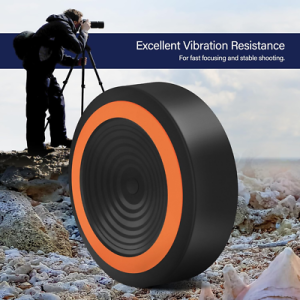
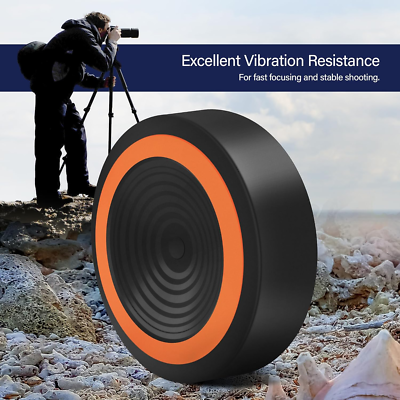
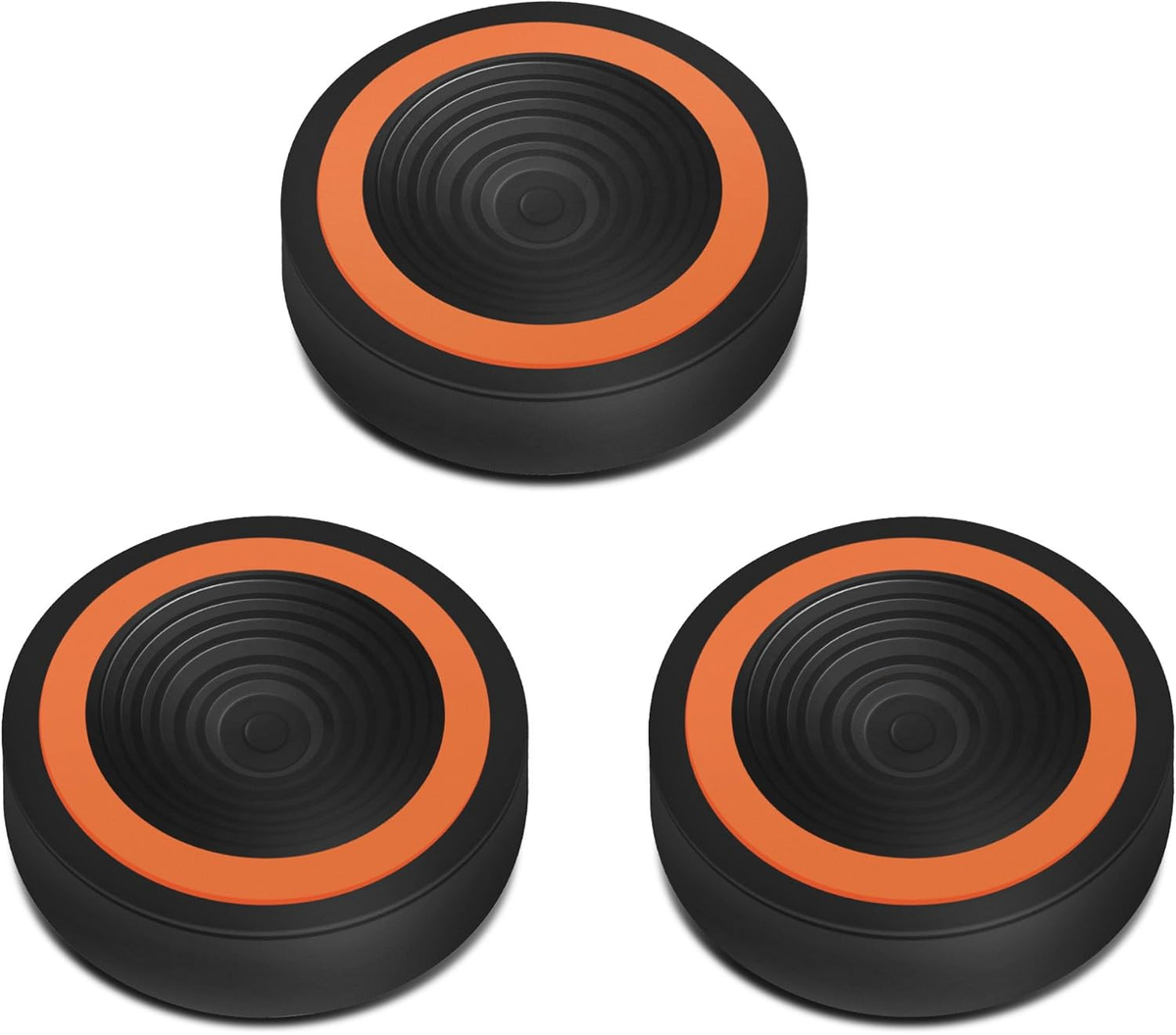
Vibration dampening padsreduce shaking by absorbing small movements. These pads fit between the tripod and binoculars. They soften vibrations from wind or touch.
Using binocular tripod adaptershelps attach binoculars securely to the tripod. These adapters keep the binoculars stable and balanced. They also allow smooth movement while watching.
| Accessory | Purpose | Benefit |
|---|---|---|
| Vibration Dampening Pads | Absorb small vibrations | Reduces shaking for clearer view |
| Binocular Tripod Adapters | Secure binoculars on tripod | Improves stability and balance |

Credit: www.amazon.de
Maintenance And Care
Regular cleaning keeps your binoculars clear and free from dust. Use a soft cloth or lens brush to gently remove dirt. Avoid harsh chemicals that can damage lenses. Clean the tripod mount to prevent buildup that causes wobbling. Wipe down all moving parts to maintain smooth operation.
Checking for wear and tear helps spot problems early. Look for loose screws or bolts on the tripod and binoculars. Tighten them carefully to avoid vibration. Inspect rubber grips and padding for cracks or damage. Replace worn parts to keep stability strong and steady.
Expert Recommendations
Stabilize your tripod on a firm surface to reduce shake. Use a remote shutter or timer to avoid touching the binoculars. Tighten all tripod joints to keep the setup steady during use.
Top Brands And Models
- Swarovski EL Range: Known for sharp images and steady views.
- Vortex Viper HD: Offers clear optics and strong tripod mounts.
- Nikon Monarch 7: Good balance between price and stability.
- Celestron Regal M2: Provides clear views and solid tripod compatibility.
User Reviews And Feedback
Many users praise Swarovskifor its clear image and low vibration. The Vortex Viper HDis popular for easy mounting and steady viewing. Some find Nikon Monarch 7affordable with good stability. Celestron Regal M2wins points for comfort during long use. Users recommend checking the tripod mount quality. A strong mount helps reduce shaking and vibration. Also, a tripod with adjustable legs adds stability on uneven ground.
Frequently Asked Questions
How Can I Reduce Vibration On Tripod-mounted Binoculars?
Use a sturdy tripod with vibration dampening features. Tighten all connections and avoid touching the binoculars during use. Employ a remote shutter or timer if capturing images to minimize movement.
What Tripod Features Help Minimize Binocular Vibrations?
Look for tripods with heavy-duty legs, rubber feet, and vibration dampening pads. A fluid head can also reduce shake by providing smooth adjustments, ensuring steady views through your binoculars.
Why Does Wind Cause Vibration In Tripod Binoculars?
Wind applies force to the binoculars and tripod, causing sway and vibrations. Using wind-resistant tripods or positioning behind a windbreak can significantly reduce this effect and stabilize your view.
Can Adding Weight To The Tripod Reduce Vibrations?
Yes, hanging a weight like a sandbag from the tripod’s center column increases stability. This added mass dampens vibrations and keeps your binoculars steady during observation or photography.
Conclusion
Using a sturdy tripod reduces most vibration problems. Tighten all screws and joints for better stability. Choose a tripod with good weight and grip. Avoid touching the binoculars while observing. Use a remote shutter or timer to prevent shaking. Place the tripod on firm, even ground.
Small adjustments make viewing clearer and more comfortable. These simple steps help you enjoy steady, sharp images. Stay patient and practice to improve your setup. Clear, stable views bring more joy to your outdoor adventures.