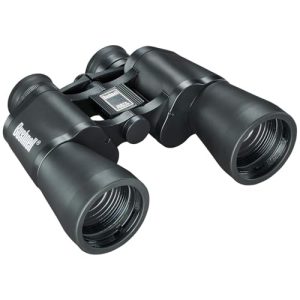
Have you ever been out in nature, ready to spot that rare bird or elusive animal, only to have your wildlife binoculars fog up? It’s frustrating, right?
Foggy lenses block your view and can ruin a perfect wildlife-watching moment. But don’t worry—there are simple, effective ways to keep your binoculars clear no matter the weather. You’ll discover easy tips and tricks to stop fogging in its tracks.
Keep reading to make sure your next wildlife adventure is crystal clear and full of unforgettable sights.

Credit: www.youtube.com
Causes Of Fogging
Temperature changes can cause fogging in binoculars. Warm air meets cold glass. This creates condensation on lenses. Fogging happens inside and outside. It’s like glasses steaming up. Quick temperature shifts make it worse. Avoid sudden temperature changes for clearer views.
High humidity affects binoculars. Moist air sticks to lenses. Drops form on the glass. Sticky lenses blur the view. Keep binoculars dry for better images. Use silica gel packs. These help absorb moisture. Store binoculars in dry places.
Breath and body heat are common fogging causes. Warm breath hits cold glass. This makes lenses foggy. Avoid breathing on lenses. Keep binoculars away from direct body heat. Use lens covers when not in use. This keeps them safe from fogging.
Choosing Fog-resistant Binoculars
Choosing binoculars with waterproof and fogprooffeatures helps stop fog inside the lenses. These binoculars have special seals that keep moisture out. This means you can use them in wet or cold weather without seeing fog.
Lens coatings are very important too. They reduce glare and improve light passing through. These coatings also help keep the lenses clear and prevent fog from forming.
Sealed O-rings work like tiny rubber rings around the parts of the binoculars. They keep air and water from entering. This stops fog and protects the binoculars from rain and dust.
| Feature | Benefit |
|---|---|
| Waterproof and Fogproof | Prevents moisture inside lenses |
| Lens Coatings | Reduces glare and stops fogging |
| Sealed O-Rings | Keeps air and water out |
Proper Storage Techniques
Silica gel packsabsorb moisture inside binocular cases. Keep these packs inside the storage box to stop fog from forming. Replace the packs regularly to keep them effective. They are small but very useful for dry storage.
Avoid damp placeslike basements or bathrooms for storage. Moisture in the air causes fog inside lenses. Choose a dry, cool spot instead. This helps keep your binoculars clear and ready to use.
Use safe carrying casesthat protect from rain and dust. Cases with a good seal stop moisture from entering. They also prevent scratches and bumps during travel. Look for padded cases that fit your binoculars well.

Credit: www.instagram.com
Pre-use Preparation
Allow binoculars to adjust to outdoor temperature before use. This prevents sudden fogging caused by temperature changes. Keep them in a bag outside for 10-15 minutes prior to use.
Use a soft, clean cloth or lens tissue for cleaning lenses. Avoid rough materials that can scratch lenses. Clean gently in circular motions to remove dirt and oils.
Anti-fog solutions form a thin protective layer on lenses. Apply a small drop and spread evenly with a microfiber cloth. Let it dry before using binoculars outdoors. These solutions help reduce moisture build-up and fogging.
During Use Tips
Managing body heathelps reduce fogging. Keep binoculars away from your chest or under your jacket. Hold them slightly away from your face to avoid warm breath. Wearing gloves can also limit heat transfer.
Avoid rapid temperature shiftsby letting binoculars adjust slowly. Moving from cold to warm places causes fogging. Keep them in a bag for a few minutes before use in a new environment.
Handling moisture exposureis key. Wipe binoculars gently with a soft cloth if wet. Avoid touching lenses with wet hands. Store binoculars in a dry place after use. Silica gel packs can help absorb moisture inside the case.
Credit: www.birdwatching.co.uk
Maintenance For Longevity
Cleaning your wildlife binoculars often helps keep the lenses clear. Use a soft cloth and lens cleaner to wipe away dust and dirt. Avoid using paper towels or rough fabrics that can scratch the glass.
Check the seals around the lenses regularly. These seals stop moisture from getting inside. If you notice cracks or damage, the seals might need replacing to prevent fogging.
Over time, some parts like rubber grips or eyecups may wear out. Replace these worn components to keep your binoculars in good shape. Well-maintained parts help stop fog and keep your view sharp.
Frequently Asked Questions
Why Do Wildlife Binoculars Fog Up?
Binoculars fog due to temperature differences causing moisture condensation on lenses. Humidity and rapid weather changes increase fogging risks. Proper sealing and coatings help reduce this issue.
How Can I Prevent Fogging In Binoculars Outdoors?
Keep binoculars dry and avoid sudden temperature shifts. Use anti-fog sprays or wipes for lens protection. Store binoculars in a breathable case when not in use.
Are Waterproof Binoculars Fog-resistant?
Waterproof binoculars are sealed to prevent water entry, reducing internal fogging. However, external lenses can still fog without anti-fog treatment. Combining waterproof design with anti-fog coatings is best.
Can Anti-fog Coatings Eliminate Binocular Fog Completely?
Anti-fog coatings significantly reduce fog but may not eliminate it fully. Regular cleaning and proper storage complement coatings for best results. Reapply coatings as needed for long-term effectiveness.
Conclusion
Fogging in wildlife binoculars can ruin your viewing experience. Keep lenses clean and dry to reduce fog build-up. Store binoculars in a cool, dry place after use. Use anti-fog sprays or cloths designed for optics. Avoid sudden temperature changes that cause moisture inside lenses.
Regular care helps binoculars stay clear during your outdoor adventures. Clear vision means better wildlife spotting and more enjoyment. Simple steps make a big difference in preventing fogging. Stay prepared and enjoy nature without blurry views.