Imagine you’re out in the wild, ready to soak in the stunning views of nature through your trusty binoculars. Suddenly, your excitement is clouded by foggy lenses, blurring the once clear sights.
Frustrating, right? Fogging can turn your adventure into a struggle, but don’t worry—there’s a way to keep your binoculars clear and your experience unforgettable. In this guide, you’ll discover simple and effective tips to prevent fogging in camping binoculars. Whether you’re a seasoned explorer or a weekend wanderer, these tricks will ensure that your view remains crisp and your adventure smooth.
So, if you’re ready to enjoy your journey without the foggy interruptions, read on to find out how you can keep your binoculars as clear as your love for the great outdoors!

Credit: www.amazon.com
Causes Of Fogging
Fogging happens when warm air meets cold glass on binoculars. This causes tiny water drops to form, making it hard to see clearly.
Humidity is a key factor. High moisture in the air sticks to the lenses and creates fog. Dry air reduces this problem.
- Breathcan cause fog when it hits cold lenses.
- Sweatfrom your face or hands can also add moisture.
- Keeping binoculars close to your body may warm them but add moisture too.
Credit: gearjunkie.com
Choosing Fog-resistant Binoculars
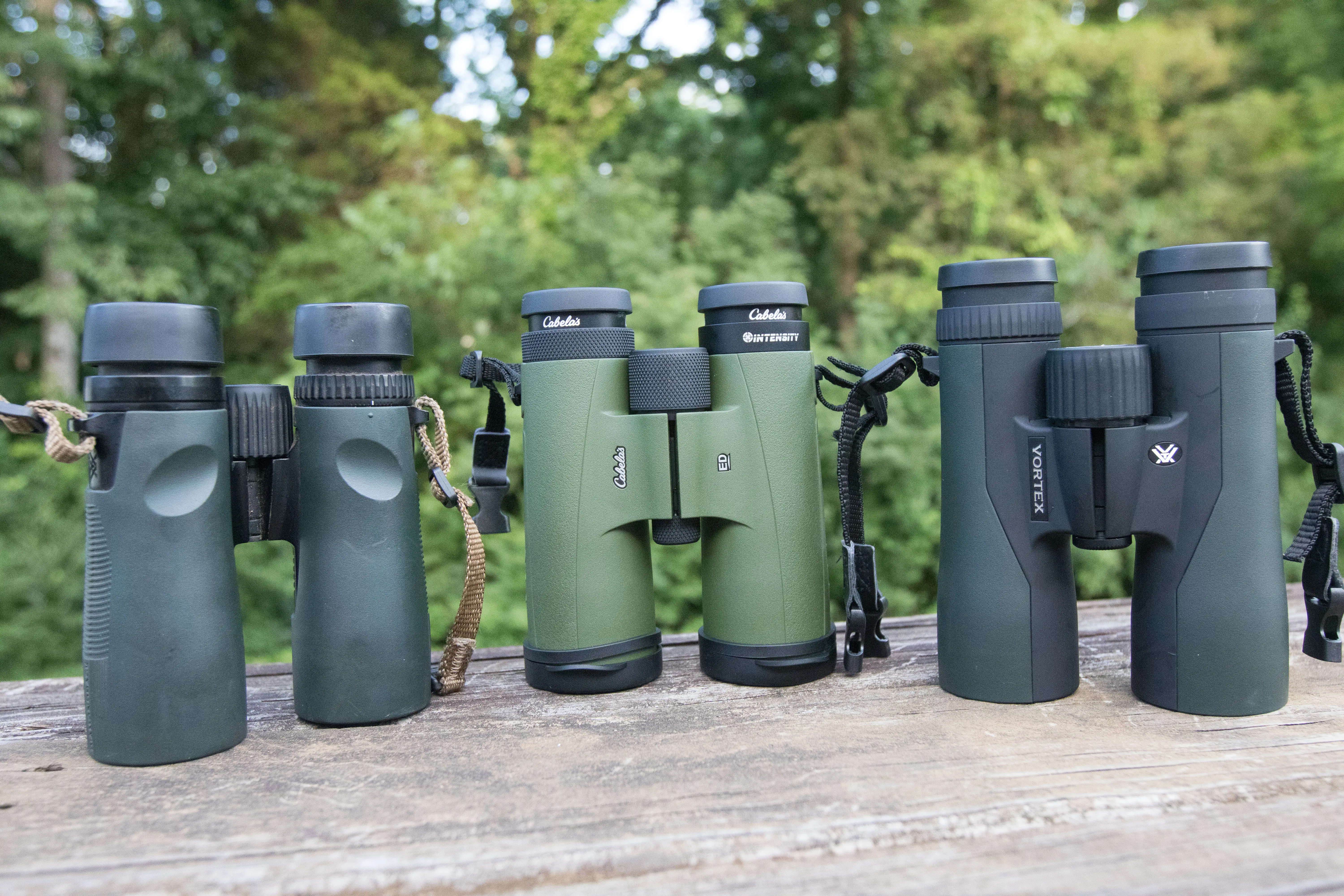
Waterproof and fogproof featureshelp keep binoculars clear in damp weather. These binoculars have sealed bodiesthat stop water and moisture from getting inside. This stops fog from forming on the lenses during use.
Lens coatingsimprove light flow and reduce glare. Special coatings also help stop fog from sticking on the glass. These coatings make images clearer and sharper in wet or cold conditions.
Sealed O-ringsare small rubber rings that keep air and water out. They protect the inside parts of binoculars from moisture. This keeps the lenses dry and fog-free, even in rain or heavy dew.
Proper Storage Techniques
Silica gel packs help keep binoculars dry by absorbing moisture. Store packs inside the binocular case. Replace them regularly to keep them effective.
Sudden temperature changes cause fog inside lenses. Avoid taking binoculars from cold to warm places quickly. Let binoculars adjust slowly to new temperatures.
Use padded storage cases to protect binoculars. Covers block dust and moisture. Keep binoculars in the case when not in use to prevent damage and fogging.

Credit: www.ebay.com
Preventive Cleaning Tips
Use only soft microfiber clothsto clean binocular lenses. Avoid rough fabrics that can scratchthe surface. Use lens cleaning solutionmade for optics, not household cleaners. These safe materials help keep lenses clear without damage.
Keep binoculars in a dry casewhen not in use. Wipe lenses gently after every use to remove dust and moisture. Store them in a cool, dry place to prevent moisture buildup. Regular care stops fog and keeps binoculars ready for your next trip.
Field Tips To Minimize Fogging
Breathing slowlycan help reduce fog on your binoculars. Try to breathe downwards, away from the lenses. Avoid heavy breaths near the eyepieces. This stops warm, moist air from reaching the glass.
Use anti-fog spraysto keep lenses clear. Apply a small drop on each lens and gently wipe with a soft cloth. These sprays create a thin layer that stops moisture from forming. Remember to reapply after cleaning or heavy rain.
Keep binoculars dryat all times. Store them in a dry bag or case when not in use. Use silica gel packs inside the case to absorb moisture. Wipe off any water drops immediately to prevent fogging.
Diy Fogging Solutions
Mix a small amount of dish soap with water. Use a soft cloth to apply this solution on the binocular lenses. Let it dry to create a thin, clear film that stops fog. Another option is a mixture of water and vinegar. Apply it gently and wipe with a clean cloth. These homemade solutions are easy and cheap.
For quick fixes in the wild, breathe gently on the lenses to clear fog. Wipe lenses softly with a microfiber cloth if available. Avoid using rough materials as they can scratch the glass. Keep binoculars in a dry place when not in use to reduce fogging.
Frequently Asked Questions
How Can I Prevent Binocular Fogging During Camping?
Keep your binoculars dry and store them in a sealed bag with silica gel packs. Use anti-fog sprays or wipes before use. Avoid sudden temperature changes and allow binoculars to acclimate slowly to the environment.
Why Do Camping Binoculars Fog Up Quickly?
Fogging occurs due to moisture condensation on cold lenses. When warm, humid air contacts cooler binocular surfaces, water droplets form, causing fog. Proper sealing and anti-fog coatings reduce this issue.
Are Anti-fog Sprays Effective For Binocular Lenses?
Yes, anti-fog sprays create a thin film that prevents moisture buildup. They improve visibility and reduce fogging for several hours. Regular application ensures consistent performance during camping trips.
Can Storing Binoculars In A Dry Place Reduce Fogging?
Absolutely, storing binoculars in dry, cool environments prevents moisture accumulation inside lenses. Use airtight containers with desiccants to absorb humidity. This practice minimizes internal fogging and extends equipment life.
Conclusion
Preventing fog in camping binoculars keeps your view clear and sharp. Keep lenses clean and dry before use. Store binoculars in a cool, dry place. Use anti-fog sprays or wipes for extra protection. Avoid breathing directly on the lenses. Carry a small cloth to wipe fog quickly.
Taking these simple steps helps you enjoy nature fully. Clear vision makes outdoor adventures more fun and safe. Stay prepared and see the world clearly through your binoculars.