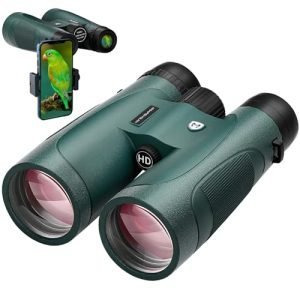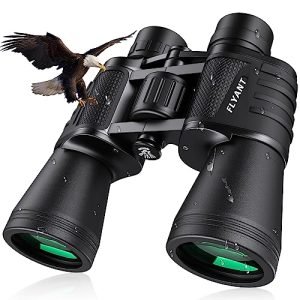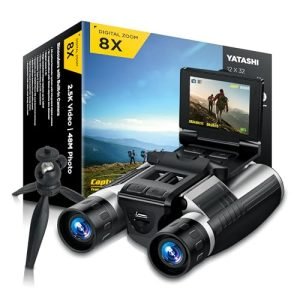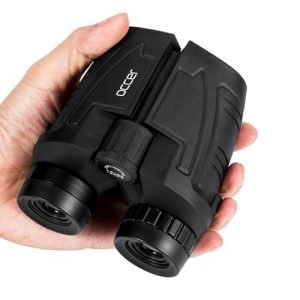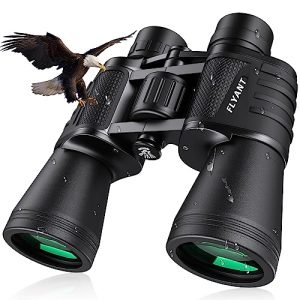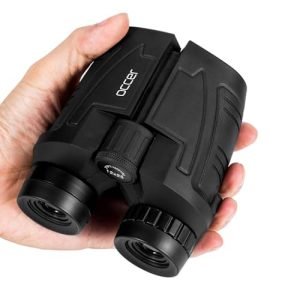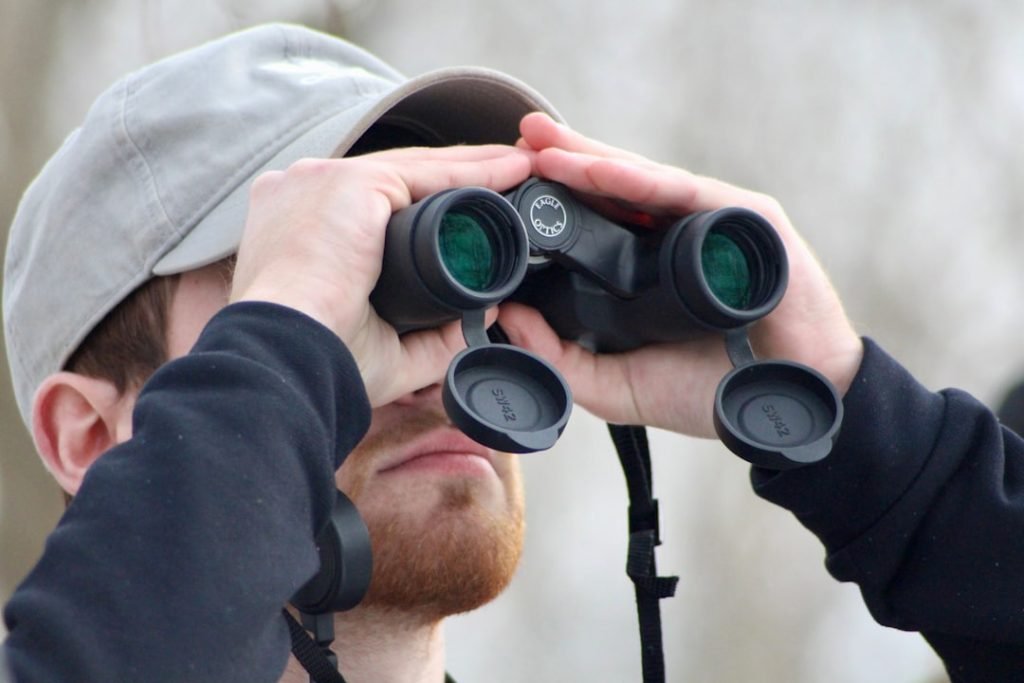
Are you tired of your eyes feeling tired and sore after using your tactical binoculars? Eye strain can ruin your experience and make it hard to focus on what matters most.
But what if you could enjoy clear, comfortable viewing without the discomfort? You’ll discover simple, effective ways to protect your eyes and get the most out of your tactical binoculars. Keep reading to learn how small changes can make a big difference for your vision and comfort.
Choosing The Right Binoculars
Clear and sharp imagesreduce eye strain significantly. Choose binoculars with high-quality lensesand coatings that improve brightness and contrast. Low-quality optics force your eyes to work harder, causing fatigue.
Weight plays a big role in comfort. Heavy binoculars tire your arms and neck fast. Find models that are light but sturdy. Balance is just as important. Well-balanced binoculars sit comfortably in your hands and allow steady viewing.
| Factor | Why It Matters |
|---|---|
| Optical Quality | Sharper images reduce eye strain and improve clarity |
| Weight | Lighter binoculars are easier to hold longer without fatigue |
| Balance | Good balance helps steady your view and reduces muscle strain |

Credit: gtguardhunt.com
Proper Usage Techniques
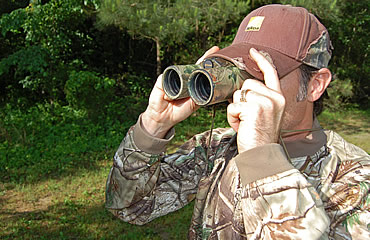
Hold the binoculars firmly but gently to avoid shaking. Keep them close to your eyes and face. This helps maintain a steady view and reduces muscle strain.
Adjust the binoculars’ eye cups to match your eye distance. This gives a clear and comfortable view without forcing your eyes.
- Turn the central focus wheel slowly until the image is sharp.
- Adjust each eyepiece individually if your eyes have different strengths.
- Pause to rest your eyes if the view becomes blurry or uncomfortable.
Eye Strain Symptoms
Eye strain symptomscan make using tactical binoculars uncomfortable. Common signs include dry or watery eyes, blurred vision, and headaches. Sometimes, eyes may feel tiredor itchy. These symptoms often happen after long use without breaks. Neck or shoulder paincan also happen from holding binoculars too long. It is important to pay attention to these signs early.
Seek professional help if symptoms last more than a dayor get worse. Sudden vision changesor severe eye pain need urgent care. Eye doctors can check for problems and suggest ways to reduce strain. They may recommend special lensesor exercises. Early treatment helps protect your eyes and improve comfort.
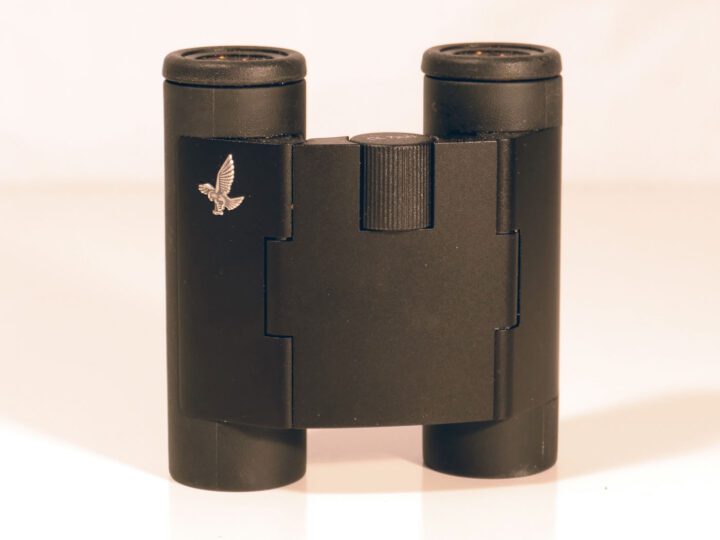
Credit: m-grill.com
Preventive Measures
Taking regular breakshelps your eyes rest and reduces strain. Look away from the binoculars every 20 minutes. Focus on something far away for at least 20 seconds. This relaxes your eye muscles and prevents tiredness.
Simple eye exercisescan improve comfort. Try blinking slowly to moisten your eyes. Roll your eyes gently in circles to ease tension. These small actions keep your eyes fresh and reduce dryness.
Environmental Factors
Lighting conditionsplay a big role in eye strain. Bright sunlight can cause glare on binocular lenses, making it hard to see clearly. Use lens covers or find shaded areas to reduce glare. Low light can also cause strain as eyes work harder to focus. Choose binoculars with good light-gathering ability for dim settings.
Weather impactslike fog, rain, or dust can blur vision. Moisture on lenses makes the view unclear and forces your eyes to strain more. Wipe lenses often with a soft cloth. Use binoculars with waterproof and fog-proof features for better comfort. Wind can cause shaking, so steady your binoculars to avoid eye fatigue.
Credit: buckmasters.com
Maintenance And Care
Keep the lenses clean to avoid eye strain. Use a soft cloth or lens brush to remove dust and dirt gently. Avoid using rough materials that can scratch the lenses. For stubborn spots, apply a small amount of lens cleaner made for optics. Never use household cleaners or alcohol as they can damage lens coatings.
Store tactical binoculars in a dry, cool place to protect them from damage. Use the carrying case to keep dust and moisture away. Avoid leaving binoculars in direct sunlight or hot places for long. Make sure the lenses are covered to prevent scratches. Regular care helps maintain clear vision and reduces eye fatigue.
Advanced Techniques
Polarizing filters help reduce glare from bright light sources. This makes images clearer and softer on the eyes. They block reflected light that can cause discomfort during long use.
Using these filters can lower eye strainand improve viewing comfort. They are especially useful near water, snow, or shiny surfaces.
- Check if your binoculars support polarizing filters.
- Attach the filter securely to avoid movement.
- Adjust filter angle for the best glare reduction.
Customizing eyecups helps to fit binoculars to your eyes. Proper eyecup settings reduce pressure on your eye area.
Soft rubber or adjustable eyecups create a comfortable seal around your eyes. This keeps stray light out and reduces blinking.
- Choose eyecups that match your face shape.
- Adjust eyecup height for your eye distance.
- Use eyecups with cushioning for longer use.
Frequently Asked Questions
How Can Tactical Binoculars Cause Eye Strain?
Tactical binoculars can cause eye strain due to improper focus, incorrect interpupillary distance, or extended use without breaks. Poor lighting and low-quality optics also contribute. Adjusting settings and taking regular breaks helps reduce discomfort and protects your eyes during prolonged viewing sessions.
What Are The Best Settings To Avoid Eye Strain?
Set the interpupillary distance correctly to match your eyes. Adjust the focus smoothly for a clear image. Use binoculars with eye relief suitable for your vision. Avoid excessive brightness and glare by choosing models with quality lenses and coatings to minimize strain.
How Often Should I Rest My Eyes When Using Binoculars?
Take a 5 to 10-minute break every 30 to 45 minutes of continuous use. Blinking frequently during use also helps keep your eyes moist. Regular breaks prevent dryness and fatigue, ensuring comfortable and safe viewing with tactical binoculars.
Can Using Tactical Binoculars In Low Light Cause Strain?
Yes, low light conditions can increase eye strain as pupils dilate more. Use binoculars with good light-gathering capability and anti-reflective coatings to improve image brightness. Avoid forcing your eyes to focus in dim environments to reduce fatigue.
Conclusion
Avoiding eye strain with tactical binoculars is simple and important. Adjust the focus carefully for clear vision. Take regular breaks to rest your eyes. Use the right binoculars with good eye relief. Keep the lenses clean to avoid blurry views.
Pay attention to your comfort while using them. These steps help protect your eyes and improve your experience. Enjoy your viewing without discomfort or pain. Healthy eyes make your outdoor activities better and safer.